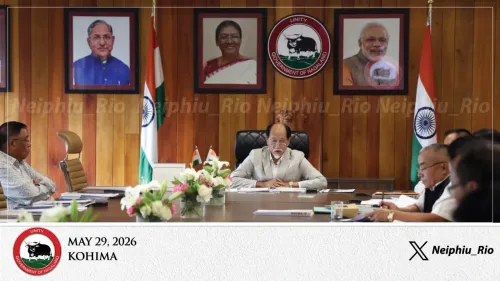
CM Rio Briefs Central Team on Nagaland Monsoon Damage

Synopsis
Nagaland Chief Minister Neiphiu Rio convened a debriefing with the Central Inter-Ministerial Team on August 14, 2026. State departments and Central field teams both reported extensive monsoon damage, setting the stage for formal disaster relief assessment and potential federal funding.
Key Takeaways
CM Neiphiu Rio chaired a debriefing with the Central Inter-Ministerial Team on August 14, 2026 .
State line departments presented their damage and ground assessments to the Central Team.
The Central Team, after field visits, confirmed extensive damage across Nagaland.
The Central Inter-Ministerial Team's findings directly inform SDRF and NDRF relief disbursements to the state.
Nagaland's hill terrain makes it especially vulnerable to monsoon-triggered landslides and flash floods each year.
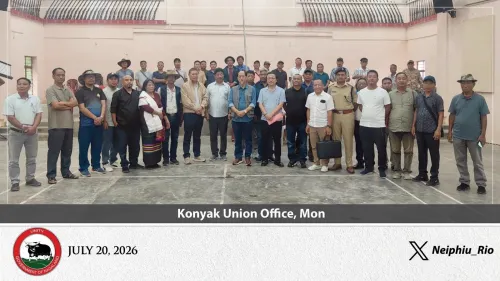
Monsoon destruction across Nagaland came under formal review on Friday, August 14, 2026, as Nagaland Chief Minister Neiphiu Rio chaired a debriefing with the Central Inter-Ministerial Team — the government's mechanism for assessing states hit by natural disasters and unlocking federal relief.
What the rooms heard: damage reports from both sides
State line departments laid out their damage assessments and ground-level findings before the Central Team. The Central Team, in turn, presented observations from its own field visits — and its conclusion was unambiguous: the damage is extensive. That word, coming from a Central government body, carries weight — it is the language that precedes formal damage certification and, ultimately, relief disbursement.
Why a Central Inter-Ministerial Team matters
When a state reports significant monsoon damage, the Centre deploys an Inter-Ministerial Central Team drawn from ministries including Home, Agriculture, and Finance to independently verify the scale of destruction. The team's report feeds directly into the State Disaster Response Fund (SDRF) and National Disaster Response Fund (NDRF) calculation — making this debriefing a pivotal step between on-ground suffering and actual financial relief reaching Nagaland.
Nagaland's vulnerability each monsoon season
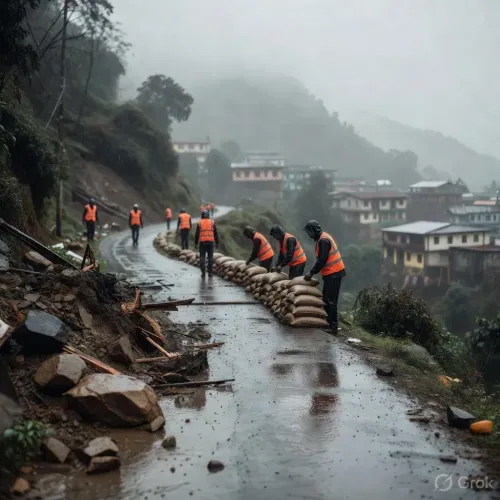
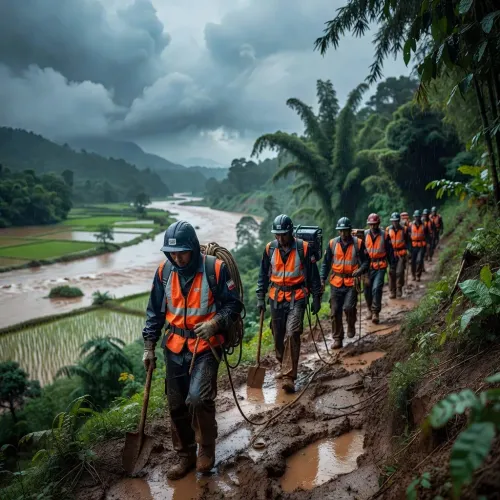
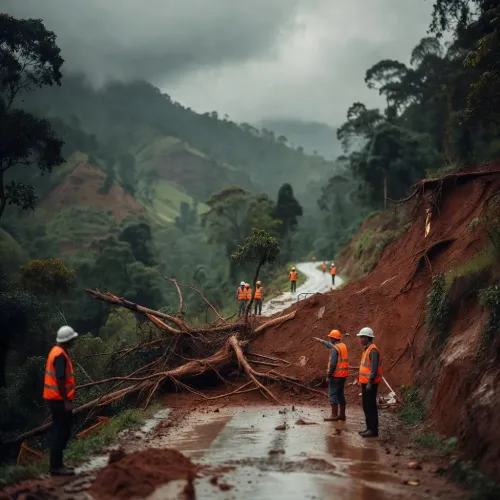
Nagaland's hilly, forested terrain makes it acutely susceptible to landslides, flash floods, and road washouts every monsoon. Infrastructure — roads, bridges, and rural connectivity — typically bears the heaviest toll, isolating villages and disrupting supply chains across districts. A Central Team acknowledging 'extensive damage' signals that this season's toll is beyond routine.
The next step lies with the Central Team's formal report to New Delhi. How quickly the Centre acts on that report — and how generously it calibrates the relief package — will determine how fast Nagaland's affected communities begin to recover.
Point of View
And a Chief Minister's active presence signals political urgency around the relief pipeline. For Nagaland, a state that depends heavily on central transfers, the Centre's acknowledgment of 'extensive damage' is not just descriptive; it is the first formal step toward quantifying a relief claim. The speed and scale of New Delhi's response will test the Centre-state coordination that smaller northeastern states routinely navigate under fiscal constraint.
NationPress
28 Sept 2026
Frequently Asked Questions
What is the Central Inter-Ministerial Team and why did it visit Nagaland?
The Central Inter-Ministerial Team is a group of officials from multiple central ministries deployed to independently assess disaster damage in a state. It visited Nagaland to verify the extent of monsoon damage, a prerequisite for releasing funds from the State Disaster Response Fund and National Disaster Response Fund.
What did the Central Team find during its Nagaland field visits?
The Central Inter-Ministerial Team found extensive damage across Nagaland following its field visits, as reported during the debriefing chaired by Chief Minister Neiphiu Rio on August 14, 2026.
What happens after the Central Inter-Ministerial Team submits its report?
After submitting its report to the central government, the findings are used to calculate disaster relief allocations under the SDRF and NDRF frameworks, which are then released to the affected state.
Why is Nagaland particularly vulnerable to monsoon damage?
Nagaland's hilly and forested terrain makes it highly susceptible to landslides, flash floods, and road washouts during the monsoon season, often cutting off villages and damaging critical infrastructure.
What is CM Neiphiu Rio's role in the disaster relief process?
As Chief Minister, Neiphiu Rio oversees the state's disaster response and coordinates with the Central government. Chairing the debriefing signals his direct engagement in securing federal relief for monsoon-affected communities in Nagaland.