CM Rio Chairs Monsoon Preparedness Meet With NHIDCL
Synopsis
Nagaland Chief Minister Neiphiu Rio chaired a pre-monsoon preparedness meeting on 29 May 2026 with line departments and NHIDCL, covering infrastructure readiness, emergency response, healthcare support, and essential commodity availability ahead of the June–September monsoon season.
Key Takeaways
CM Neiphiu Rio chaired the monsoon preparedness meeting on 29 May 2026 .
NHIDCL , the central PSU for northeastern highway projects, participated alongside state line departments.
The review covered infrastructure readiness, emergency response, healthcare support, and essential commodity availability.
Nagaland faces annual monsoon risks including landslides, flash floods, and road disruptions in its hilly terrain.
The meeting reflects obligations under the Disaster Management Act, 2005 and the state's pre-monsoon coordination framework.
District-level implementation and follow-up reviews on high-risk highway stretches are the next steps to watch.
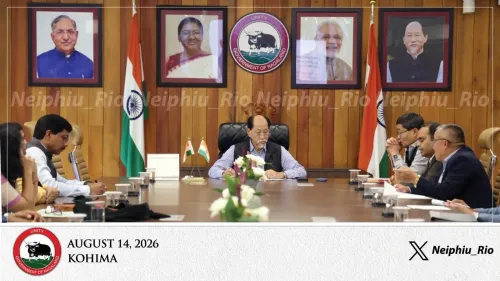
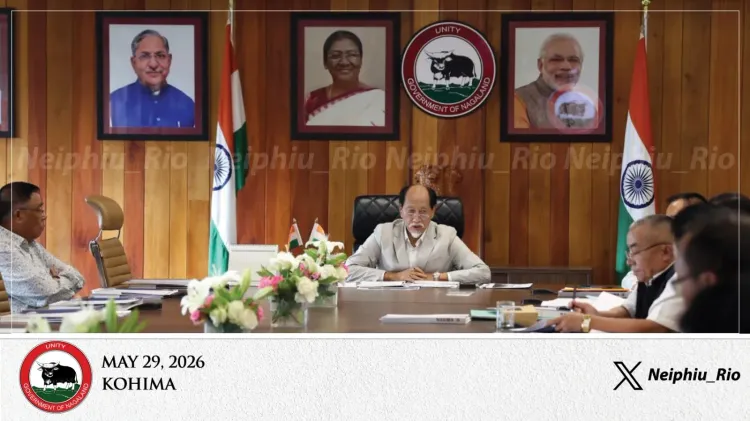
Nagaland Chief Minister Neiphiu Rio on Friday, 29 May 2026, chaired a monsoon preparedness meeting with line departments and the National Highways and Infrastructure Development Corporation Limited (NHIDCL), reviewing infrastructure readiness, emergency response, healthcare support, and the availability of essential commodities ahead of the monsoon season.
Context
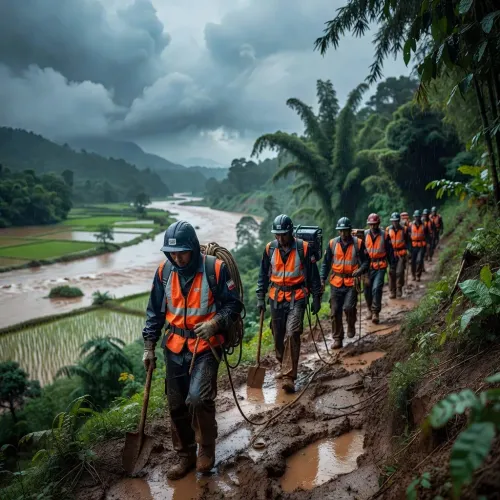
The meeting was convened as Nagaland prepares for the June–September monsoon period, which annually brings heavy rainfall to the state's hilly terrain. The region is particularly vulnerable to landslides, flash floods, and road disruptions that can isolate districts and disrupt supply chains.
Rio stated that 'ensuring coordination and timely action remains a priority,' signalling that the state government is treating pre-monsoon readiness as an active governance concern rather than a procedural formality.
Policy Backdrop
Under the Disaster Management Act, 2005, state governments are required to hold coordination meetings for monsoon and disaster preparedness. Nagaland's annual pre-monsoon reviews reflect this statutory obligation, as well as the practical necessity of securing connectivity in one of India's most topographically challenging states.
The participation of NHIDCL — a Ministry of Road Transport and Highways public sector undertaking responsible for national highway projects across northeastern India — underscores the central government's stake in keeping arterial roads functional through the monsoon. National highways in the northeast serve as lifelines for the movement of goods, people, and emergency services.
Stakeholders and Impact
The most immediate beneficiaries of effective monsoon preparedness are Nagaland's residents, particularly those in remote districts where road connectivity is the only practical link to markets, hospitals, and administrative centres. Highway users and logistics operators also depend on NHIDCL-maintained stretches remaining passable during peak rainfall months.
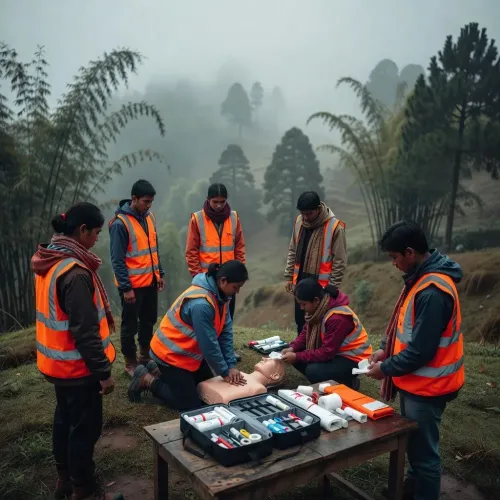
Healthcare support and essential commodity availability were explicitly flagged in the meeting's agenda, indicating that the administration is coordinating across departments — not limiting preparedness to roads and infrastructure alone. This multi-sectoral approach aligns with the broader federal-state coordination framework that northeastern states have developed over successive monsoon cycles.
What's Next
District-level implementation of the directives issued at the meeting will be the key measure of its effectiveness. Authorities and residents will watch for follow-up reviews on specific highway stretches identified as high-risk, as well as updates on stock positions for essential commodities ahead of peak monsoon months.
With the monsoon expected to arrive in Nagaland in June, the state government's window for pre-emptive action is narrow. The coordination established between line departments and NHIDCL at this stage will determine how quickly the administration can respond once rainfall intensifies.
Point of View
Suggesting a more integrated emergency-management approach. Whether this meeting translates into measurable on-ground readiness will depend on district-level follow-through over the coming weeks.
NationPress
12 Oct 2026
Frequently Asked Questions
Why did Nagaland CM Neiphiu Rio hold a monsoon preparedness meeting?
CM Rio held the meeting to review infrastructure readiness, emergency response measures, healthcare support, and essential commodity availability before the June–September monsoon season, which regularly causes landslides and road disruptions in Nagaland's hilly terrain.
What is NHIDCL and why was it part of the Nagaland monsoon meeting?
NHIDCL, or the National Highways and Infrastructure Development Corporation Limited, is a central government PSU responsible for highway projects in northeastern India. It was included because national highways are critical lifelines for connectivity and supply chains in Nagaland during the monsoon.
What are the main monsoon risks in Nagaland?
Nagaland's hilly terrain makes it highly vulnerable to landslides, flash floods, and road closures during the June–September monsoon, which can isolate districts and disrupt the supply of essential goods and services.
Is there a law requiring states to hold monsoon preparedness meetings?
Yes, the Disaster Management Act, 2005 requires state governments to coordinate and review preparedness for monsoon and other disaster scenarios.
What happens after the Nagaland monsoon preparedness meeting?
The focus shifts to district-level implementation of directives, follow-up reviews on high-risk highway stretches, and monitoring stock positions for essential commodities ahead of peak monsoon months.