CM Rio Promotes Safer Nagaland App Ahead of Monsoon
Synopsis
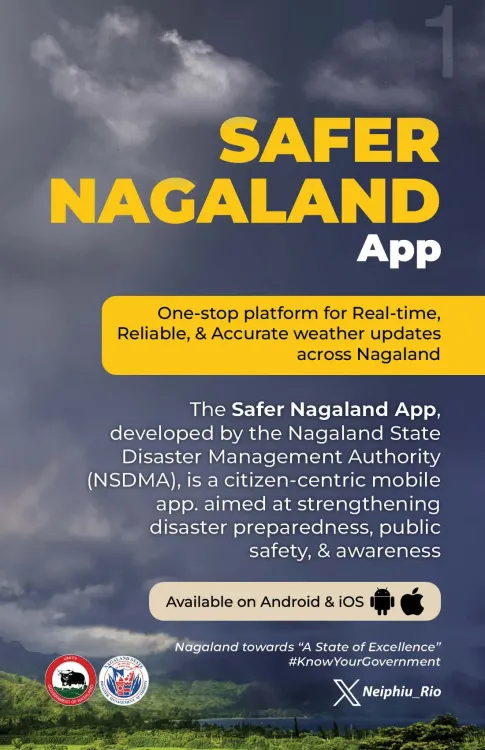
Nagaland Chief Minister Neiphiu Rio on 9 June 2026 urged residents to download the Safer Nagaland App as the monsoon season begins. The SDMA-developed platform delivers real-time alerts and safety resources, reflecting the state's push for digital disaster preparedness in a region highly vulnerable to landslides and flash floods.
Key Takeaways
CM Neiphiu Rio publicly promoted the Safer Nagaland App on 9 June 2026 as the monsoon season begins.
The app is developed and operated by the State Disaster Management Authority (SDMA) Nagaland .
It provides real-time alerts, safety guidelines, and emergency resources to citizens.
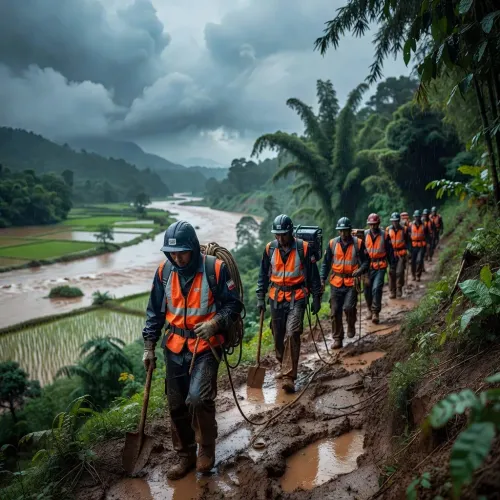
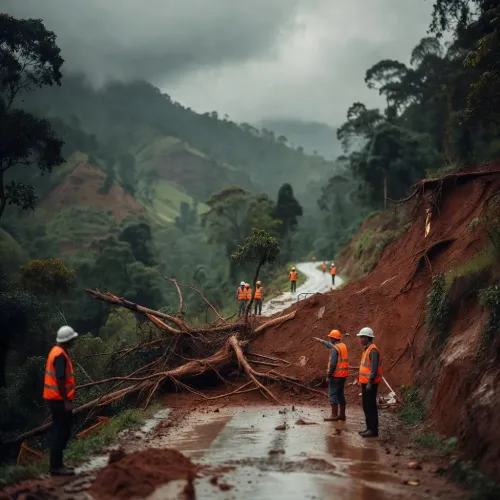
Nagaland is highly vulnerable to monsoon-induced landslides and flash floods due to its hilly terrain.
The initiative aligns with the National Disaster Management Act, 2005 and the Digital India programme's e-governance push.
Possible future integration with IMD and NDMA alert systems could expand the app's reach and accuracy.
Nagaland Chief Minister Neiphiu Rio on Tuesday, 9 June 2026, took to X to promote the Safer Nagaland App, urging residents to stay informed as the monsoon season sets in across the state. The app, developed by the State Disaster Management Authority (SDMA) Nagaland, is designed to deliver timely alerts, safety information, and emergency resources directly to citizens.
Context
Nagaland, a hilly northeastern state, is particularly vulnerable to monsoon-related hazards including landslides and flash floods. Every year, the onset of the southwest monsoon brings heightened risk to hill-area communities, making early warning systems critical. Chief Minister Rio's post, tagged #KnowYourGovernment, frames the app as part of the state's broader accountability and citizen-service agenda.
In his post, Rio described the Safer Nagaland App as 'a citizen-centric app, which provides timely alerts, information and safety resources, advancing our commitment to a safer, better-informed Nagaland.' The message was directed at the @StateDisaster handle, signalling active coordination between the Chief Minister's office and the state disaster authority.
Policy Backdrop
The app sits within a well-established legal and institutional framework. The National Disaster Management Act, 2005 created the architecture for state-level disaster management authorities and mandated early-warning systems across India. Nagaland's SDMA operates under this framework, coordinating preparedness, response, and public communication.
The broader push for citizen-facing digital tools gained momentum under the Digital India programme launched in 2015, which encouraged states to build mobile applications for governance and emergency services. Northeastern states, which face some of the country's most severe monsoon-induced disasters, have been incremental adopters of such platforms alongside traditional communication channels.
Stakeholders and Impact
The primary beneficiaries of the Safer Nagaland App are the state's residents, particularly communities in remote hill areas where physical access to emergency services is limited and advance warning can be life-saving. The app's real-time alert capability is especially relevant for districts prone to sudden landslides and river flooding.
For the Nationalist Democratic Progressive Party (NDPP)-led government, promoting the platform during the seasonal risk window also reinforces its governance credentials. Digital disaster tools have become a visible metric of state preparedness, and public-facing promotion by the Chief Minister amplifies awareness and, potentially, download rates ahead of peak monsoon months.
What's Next
Attention will now turn to how widely the Safer Nagaland App is adopted across the state's districts and whether it will be integrated with national-level systems such as those operated by the India Meteorological Department (IMD) or the National Disaster Management Authority (NDMA). Any such integration would significantly enhance the app's alert accuracy and reach.
The 2026 monsoon session of the Nagaland state assembly may also see discussion of the state's digital disaster preparedness infrastructure. For now, the Chief Minister's public endorsement sets the tone for a season in which the government has signalled that citizen safety and informed governance are front-of-mind priorities.
Point of View
Disaster preparedness messaging doubles as a governance dividend, particularly in constituencies that have historically suffered monsoon losses. Whether the app's backend capabilities match the political visibility it is now receiving will be the real test over the coming months.
NationPress
24 Oct 2026
Frequently Asked Questions
What is the Safer Nagaland App?
The Safer Nagaland App is a mobile application developed by the State Disaster Management Authority (SDMA) Nagaland to provide citizens with real-time alerts, safety information, and emergency resources, particularly during the monsoon season.
Who launched the Safer Nagaland App?
The app was developed by the State Disaster Management Authority Nagaland. Chief Minister Neiphiu Rio publicly promoted it on 9 June 2026, ahead of the monsoon season.
Why is Nagaland especially vulnerable during the monsoon?
Nagaland's hilly terrain makes it highly susceptible to landslides and flash floods during the southwest monsoon, making early-warning tools like the Safer Nagaland App critical for residents, especially in remote areas.
How does the Safer Nagaland App relate to Digital India?
The app is part of a broader national trend encouraged by the Digital India programme launched in 2015, which pushed states to develop citizen-facing mobile applications for governance and emergency services.
Will the Safer Nagaland App be integrated with national disaster systems?
Integration with national platforms such as those of the India Meteorological Department (IMD) or the National Disaster Management Authority (NDMA) has not been officially announced, but such a step would significantly enhance the app's alert capabilities.