CM Rio backs Red Cross first-responder push across 12 Nagaland districts
Synopsis
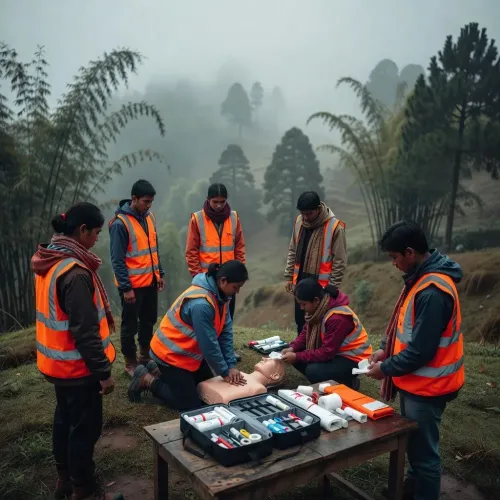
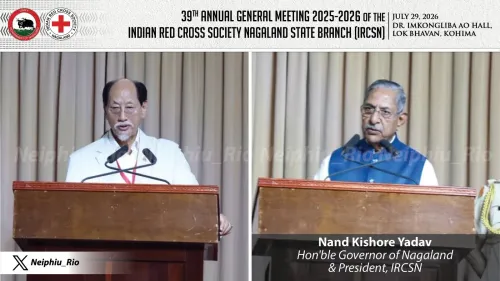
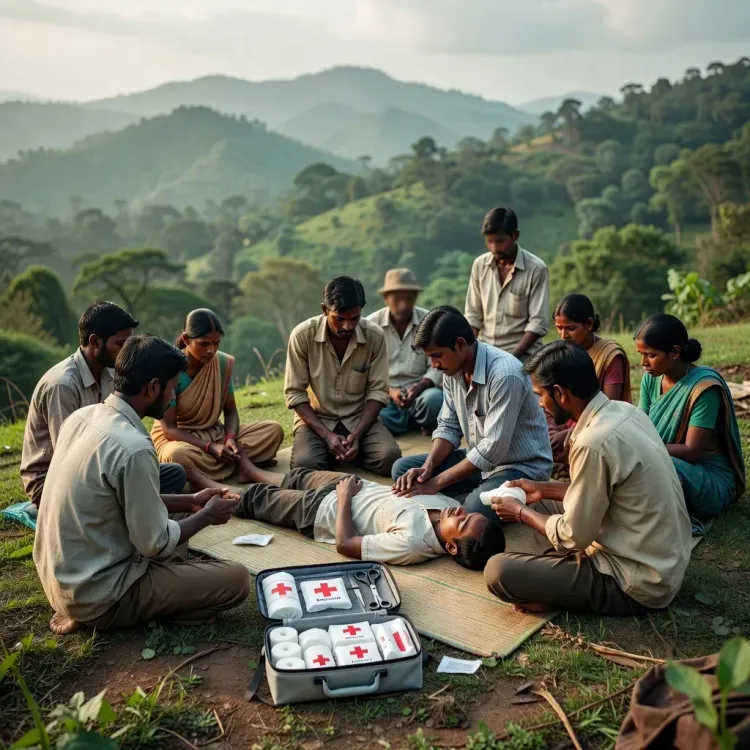
Nagaland CM Neiphiu Rio on 29 July 2026 commended the Indian Red Cross Society and State Disaster Management Authority for the 'Community First Responders' programme, a first aid and emergency response training initiative now active across 12 Nagaland districts.
Key Takeaways
CM Neiphiu Rio publicly praised the 'Community First Responders' programme on 29 July 2026 .
The programme is jointly implemented by the Indian Red Cross Society, Nagaland State Branch and the Nagaland State Disaster Management Authority .
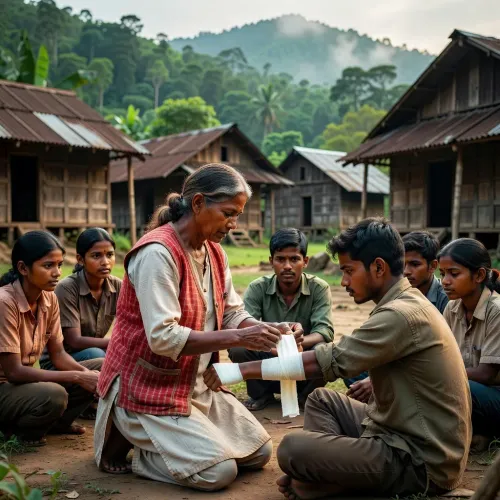
It covers 12 districts of Nagaland, training communities in first aid, disaster preparedness, and emergency response.
The initiative is grounded in the Disaster Management Act, 2005 , which mandates community participation in disaster risk reduction.
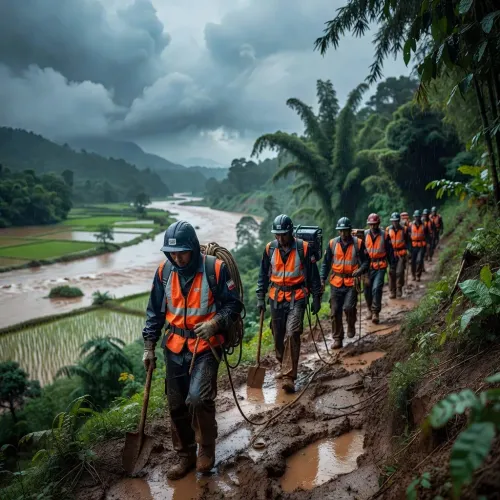
Nagaland's hilly terrain and exposure to earthquakes, landslides, and heavy monsoon rains make grassroots first-responder capacity especially critical.
Potential expansion to remaining districts and integration with NDRF training modules are key developments to watch.
In a state where landslides can cut off villages overnight and earthquakes strike without warning, knowing what to do in the first few minutes can mean the difference between life and death. Nagaland Chief Minister Neiphiu Rio on Wednesday, 29 July 2026, publicly commended a joint initiative by the Indian Red Cross Society (IRCS), Nagaland State Branch and the Nagaland State Disaster Management Authority (SDMA) that is quietly building that exact capacity across the state.
Replying to the Indian Red Cross on X, CM Rio praised the 'Community First Responders' programme, saying it 'equips communities with first aid skills, disaster preparedness, and emergency response techniques' — and noted it has already been implemented across 12 districts of Nagaland.
What the 'Community First Responders' programme does
The programme is a training initiative designed to fill the critical gap between the moment a disaster strikes and the arrival of formal emergency services. In Nagaland's hilly terrain — prone to earthquakes, landslides, and flash floods during heavy monsoons — that gap can stretch for hours. By equipping ordinary community members with structured first aid and emergency response skills, the initiative aims to make every village its own first line of defence. The collaboration between the IRCS, founded in 1920 as part of the International Red Cross and Red Crescent Movement, and the state's SDMA — constituted under the Disaster Management Act, 2005 — reflects a model that has become standard practice across India's more geographically vulnerable states.Nagaland's terrain and the case for grassroots preparedness
Nagaland sits in one of India's most seismically active and monsoon-battered zones. Formal disaster response infrastructure — NDRF teams, district emergency units — cannot always reach remote communities in time. Indian states have increasingly turned to community-based disaster risk reduction precisely because of this reality, and Nagaland has made local first-responder training a recurring priority. Spanning 12 of Nagaland's 16 districts, the current rollout of the programme represents substantial geographic reach. Whether it expands to the remaining districts, and whether it eventually integrates with National Disaster Response Force training modules, will be the measure of how seriously the state intends to institutionalise this model. A Chief Minister's public endorsement is rarely just a formality — it signals political will and keeps the spotlight on programmes that might otherwise stall at the district level. For the communities already trained, that signal matters.Point of View
Where terrain makes centralised emergency services slow to deploy. The political signal matters: chief ministerial visibility keeps district-level implementation accountable and can unlock further state funding. The real test will be whether the programme scales to Nagaland's remaining four districts and achieves formal integration with NDRF protocols, which would move it from a commendable initiative to a durable institutional framework.
NationPress
13 Sept 2026
Frequently Asked Questions
What is the Community First Responders programme in Nagaland?
It is a training initiative jointly run by the Indian Red Cross Society Nagaland State Branch and the Nagaland State Disaster Management Authority that equips community members with first aid skills, disaster preparedness knowledge, and emergency response techniques. It has been implemented across 12 districts of Nagaland.
Why did CM Neiphiu Rio praise the Red Cross programme?
CM Rio commended the initiative on 29 July 2026 via a reply on X, highlighting its reach across 12 districts and its role in building community-level capacity for first aid and disaster response in Nagaland.
How many districts in Nagaland are covered by the first-responder programme?
The programme has been implemented in 12 of Nagaland's 16 districts as of CM Rio's statement on 29 July 2026.
What is the Nagaland State Disaster Management Authority?
The Nagaland State Disaster Management Authority (SDMA) is a state-level body constituted under the Disaster Management Act, 2005, responsible for planning and coordinating disaster preparedness, mitigation, and response across the state.
Why is community-level disaster training important in Nagaland?
Nagaland's hilly terrain makes it vulnerable to earthquakes, landslides, and flash floods, and formal emergency services often cannot reach remote communities quickly. Community first-responder training ensures that local people can act in the critical first minutes of a disaster.