CM Rio Responds to Deadly Landslides in Mon, Nagaland
Synopsis
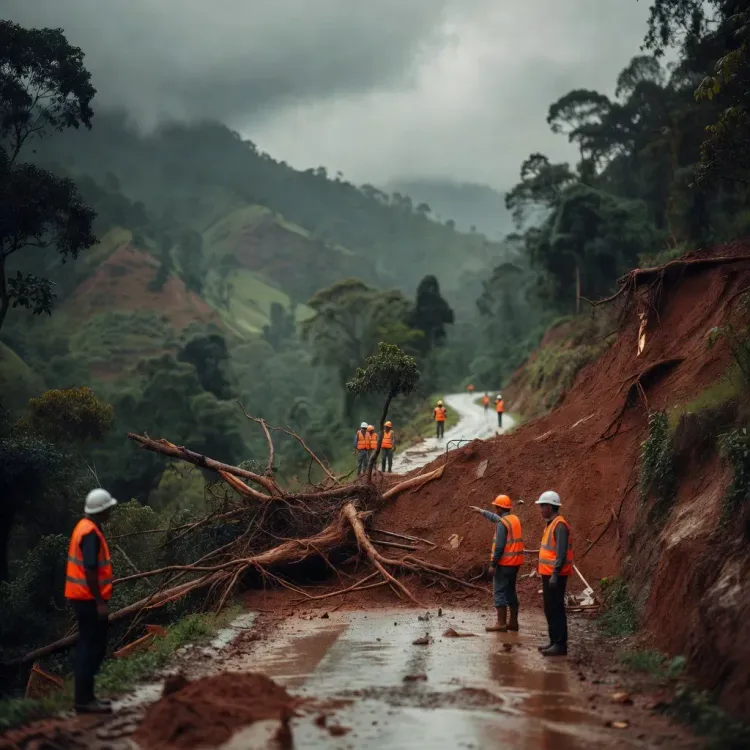
Nagaland Chief Minister Neiphiu Rio on 19 July 2026 flagged heavy landslides in Mon district, offered condolences to affected families, and confirmed that NSDMA, SDRF, Assam Rifles, police and local communities are conducting search and rescue operations on the ground.
Key Takeaways
Nagaland CM Neiphiu Rio confirmed heavy landslides have struck Mon district as of 19 July 2026 .
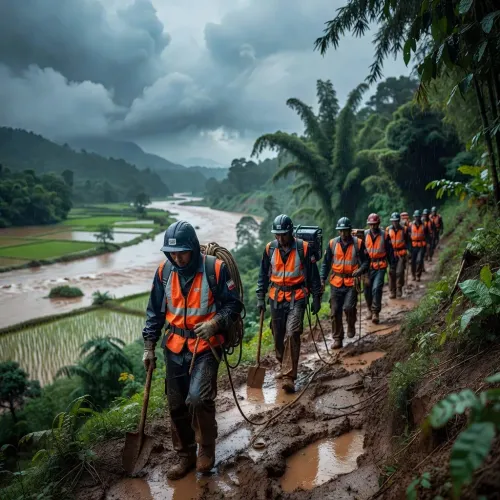
NSDMA , district administration, DDMA , SDRF , police, Assam Rifles and local community members are all engaged in search and rescue.
The state government is 'closely monitoring the situation', according to Rio 's post.
Mon is Nagaland's northernmost district bordering Myanmar , with steep terrain highly vulnerable to monsoon landslides.
The response follows the framework of the Disaster Management Act, 2005 , which mandates coordinated civil-paramilitary disaster operations.
A formal request for central NDRF assistance remains a possibility depending on the scale of damage.
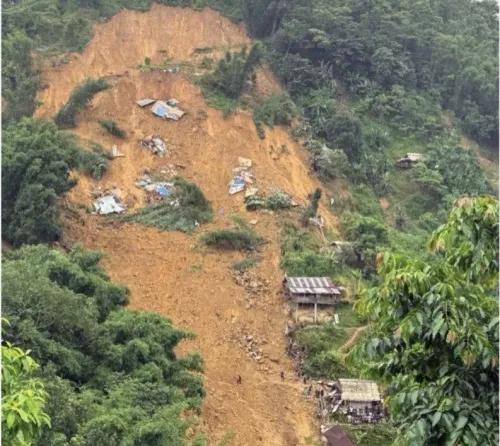
Nagaland Chief Minister Neiphiu Rio on Sunday, 19 July 2026 expressed deep distress over heavy landslides in Mon district, offering condolences to bereaved families and confirming that state and central agencies have been deployed for search and rescue operations.
In his post on X, Rio wrote: 'Deeply distressing reports of heavy landslides in Mon. My heartfelt condolences to those who have lost loved ones. The State Govt. is closely monitoring the situation. NSDMA, Dist. Admin, DDMA, SDRF, Police, AR and local community are working on ground for search and rescue operations.'
Context
Mon is Nagaland's northernmost district, sharing a border with Myanmar. Its steep, forested hills and fragile geology make it acutely vulnerable to landslides during the June–September monsoon season. Heavy rainfall in the region regularly triggers slope failures that cut off villages and endanger lives.
The Chief Minister's statement signals that the state government has moved into active emergency mode, with multiple agencies coordinating on the ground. The reference to 'AR' in the post refers to Assam Rifles, the paramilitary force deployed across Nagaland that routinely assists in disaster relief alongside civil administration.
Policy Backdrop
The institutional response described by Rio follows the framework established under the Disaster Management Act, 2005, which created state-level disaster management authorities and mandated coordinated responses involving trained rescue forces. The Nagaland State Disaster Management Authority (NSDMA) is the apex body overseeing preparedness and relief operations in the state.
The State Disaster Response Force (SDRF), specifically trained for floods and landslides, is operating alongside the District Disaster Management Authority (DDMA) and local police. This civil-military coordination model has been the standard operating procedure for successive Nagaland governments responding to monsoon disasters in remote border districts.
Stakeholders and Impact
Residents of Mon district — including families who have lost members and those whose homes or access routes may be damaged — are the most immediately affected. The district's remote terrain and limited road connectivity can complicate the pace of rescue and relief delivery.
The involvement of local community members alongside state and paramilitary agencies reflects the ground reality in hilly Northeast India, where official responders often depend on local knowledge to reach cut-off settlements. The Chief Minister's personal acknowledgement of casualties underscores the severity of the event.
What's Next
Authorities will be closely watched for updates on the number of persons rescued, casualties confirmed, and relief materials dispatched to Mon. If the scale of damage warrants it, the state government may formally request central assistance from the National Disaster Response Force (NDRF) or additional resources from the Ministry of Home Affairs.
A review by the state cabinet or the NSDMA is likely once the immediate rescue phase concludes. The episode also renews focus on long-term landslide mitigation measures for Nagaland's hilly districts, an area where successive administrations have acknowledged the need for improved early-warning infrastructure.
Point of View
A pattern common among Northeast India's chief ministers during monsoon disasters. The deployment matrix he listed, spanning NSDMA, DDMA, SDRF, Assam Rifles and local communities, reflects the layered civil-military coordination model that Nagaland has refined over years of recurring landslide events. The mention of 'AR' alongside civilian agencies is notable: Assam Rifles' role in disaster relief in border districts like Mon underscores how security infrastructure doubles as humanitarian capacity in the Northeast. The episode will test whether the state's institutional response, built on the 2005 Disaster Management Act framework, is adequate for increasingly intense monsoon events in a geologically fragile region.
NationPress
19 Oct 2026
Frequently Asked Questions
What happened in Mon district Nagaland in July 2026?
Heavy landslides struck Mon district in Nagaland around 19 July 2026, prompting Chief Minister Neiphiu Rio to offer condolences and confirm that multiple state and central agencies had been deployed for search and rescue operations.
Which agencies are conducting rescue operations in Mon Nagaland?
NSDMA, the district administration, DDMA, SDRF, Nagaland Police, Assam Rifles and local community members are all working on the ground in Mon district for search and rescue.
What is NSDMA in Nagaland?
NSDMA stands for Nagaland State Disaster Management Authority, the primary state body responsible for coordinating disaster preparedness, response and relief under the Disaster Management Act, 2005.
Why is Mon district prone to landslides?
Mon is Nagaland's northernmost district with steep hilly terrain, fragile geology and heavy monsoon rainfall from June to September, making it highly susceptible to slope failures and landslides.
Will the central government send NDRF to Mon Nagaland?
No formal request for central NDRF assistance has been confirmed yet; the state government is monitoring the situation and a request remains possible depending on the scale of damage.