CM Rio Thanks Central Team for Nagaland Monsoon Assessment

Synopsis
Nagaland CM Neiphiu Rio on August 14, 2026, acknowledged the Central Inter-Ministerial Team's ground-level monsoon assessment across the state and called for sustained vigilance as the wet season progresses.
Key Takeaways
CM Neiphiu Rio publicly thanked the Central Inter-Ministerial Team for conducting extensive field visits in Nagaland during the monsoon season.
The team conducts on-ground assessments to recommend central assistance to states hit by natural calamities, under the Disaster Management Act, 2005 .
Nagaland is among the most monsoon-vulnerable states in Northeast India due to its hilly terrain and high seasonal rainfall.
Central relief packages and mitigation actions typically follow the submission of the team's formal assessment report.
Rio emphasised that 'vigilance and preparedness at every level' are essential as the monsoon continues.
As monsoon clouds deepen over the hills of Nagaland, the state's disaster-response machinery is in motion — and the Centre has been watching closely from the ground up. Nagaland Chief Minister Neiphiu Rio on Friday, August 14, 2026, acknowledged the Central Inter-Ministerial Team's field visits across the state, stressing that vigilance and preparedness must hold at every level as the wet season intensifies.
Replying to a post by AIR News Kohima, CM Rio said he was 'grateful to the Central Inter-Ministerial Team for its extensive field visits and firsthand assessment of the situation,' adding that 'with the monsoon underway, continued vigilance and preparedness at every level remain essential.'
What the Central Inter-Ministerial Team Does on the Ground
Central Inter-Ministerial Teams are deployed by the Government of India to conduct on-ground evaluations of natural calamity situations in affected states. Their field visits feed directly into recommendations for central assistance — financial relief, equipment, and technical support — channelled through the National Disaster Management Authority framework established under the Disaster Management Act, 2005. The team's assessment report, once submitted, typically forms the basis for any central relief package to the state.Why Nagaland Is Particularly Exposed Each Monsoon
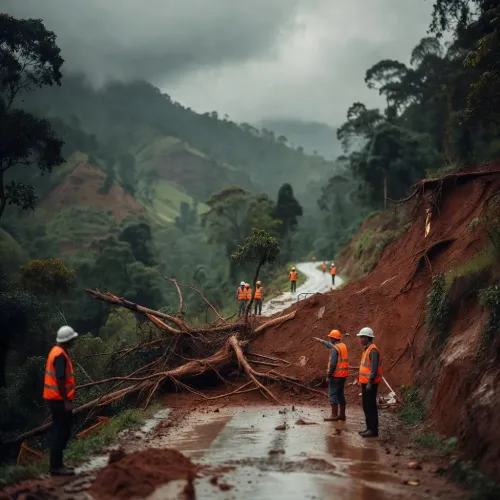
Nagaland's rugged topography and heavy seasonal rainfall make it one of the Northeast India states most vulnerable to monsoon-induced hazards — floods, landslides, and road washouts that can cut off entire districts. The region's recurrent exposure has made joint centre-state coordination under disaster management protocols a near-annual necessity. Central team visits are a standard but consequential part of that cycle: their firsthand assessments carry weight in New Delhi when relief allocations are decided. The next critical step is the release of the team's formal assessment report and any subsequent announcement of a central relief package or state-level mitigation measures — outcomes that will directly affect Nagaland's residents and administration heading into the peak monsoon weeks.Point of View
Maximising the state's leverage ahead of any relief allocation decision. The post fits a broader pattern of Northeastern chief ministers using social media to build a public record of central engagement, which can later be cited when pushing for faster or larger relief packages. It also signals to state administration that the Chief Minister is tracking ground-level preparedness, reinforcing institutional accountability during a high-risk period. The real test will come when the assessment report lands in New Delhi and relief figures are announced.
NationPress
14 Aug 2026
Frequently Asked Questions
Why did CM Neiphiu Rio thank the Central Inter-Ministerial Team?
CM Rio thanked the team for conducting extensive field visits and a firsthand assessment of Nagaland's monsoon situation, acknowledging the Centre's on-ground engagement with the state's disaster preparedness.
What does a Central Inter-Ministerial Team do during a monsoon assessment?
The team visits affected areas, evaluates flood, landslide, and related risks on the ground, and submits a report to the central government recommending financial or material assistance to the state under the Disaster Management Act, 2005.
Is Nagaland frequently affected by monsoon disasters?
Yes. Nagaland's hilly terrain and heavy seasonal rainfall make it one of the more vulnerable states in Northeast India, with floods and landslides recurring annually during the monsoon months.
What happens after the Central Inter-Ministerial Team submits its report?
The report typically informs decisions on central relief packages — funds, equipment, or technical support — disbursed to the state through the National Disaster Management Authority framework.
What is the Disaster Management Act, 2005?
It is the central legislation that established India's disaster management framework, including the National Disaster Management Authority and the protocols governing centre-state coordination during natural calamities.