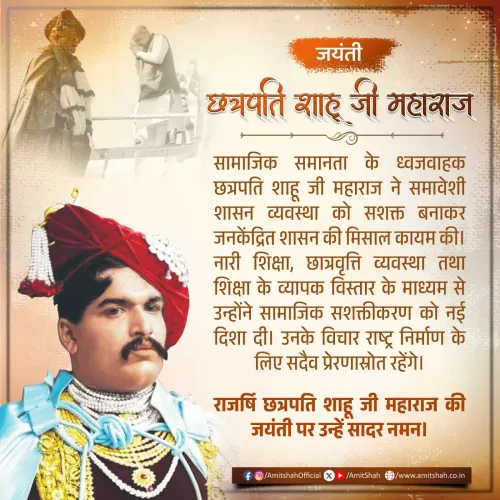
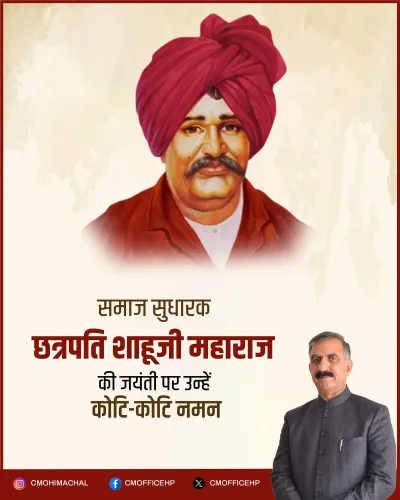
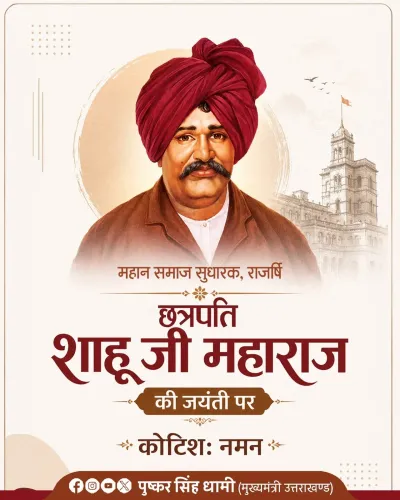
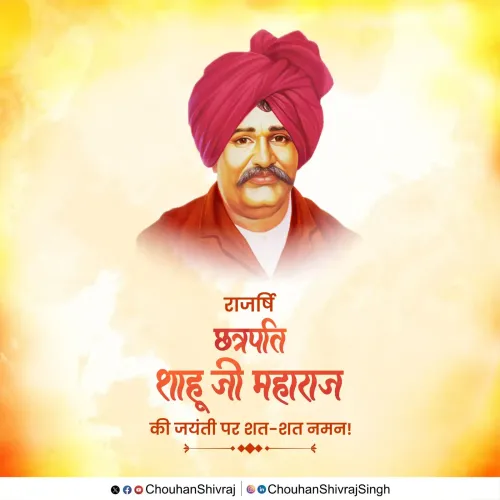
Rajnath Singh pays tribute to Chhatrapati Shahu Maharaj on birth anniversary
Synopsis
Union Defence Minister Rajnath Singh marked the birth anniversary of Chhatrapati Shahu Maharaj on 26 June 2026, saluting the Kolhapur ruler's pioneering work against untouchability, his 1902 reservation decree for backward classes, and his campaigns for women's education and widow remarriage.
Key Takeaways
Union Defence Minister Rajnath Singh paid tribute to Chhatrapati Shahu Maharaj on his birth anniversary on 26 June 2026 .
Shahu Maharaj ruled the princely state of Kolhapur from 1894 to 1922 and is credited with laying early foundations of affirmative action in India .
In 1902 , Shahu Maharaj reserved 50 per cent of administrative posts for backward classes — one of India's earliest formal reservation measures.
Singh highlighted the reformer's campaigns to promote women's education, ban child marriage, and encourage widow remarriage.
The tribute is part of a broader BJP practice of invoking regional social-reform legacies to connect with OBC and Dalit communities.
State events in Maharashtra and possible parliamentary references in the monsoon session are expected to follow.
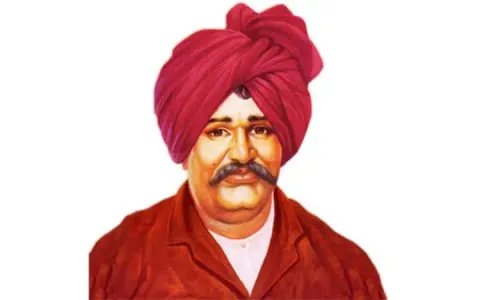
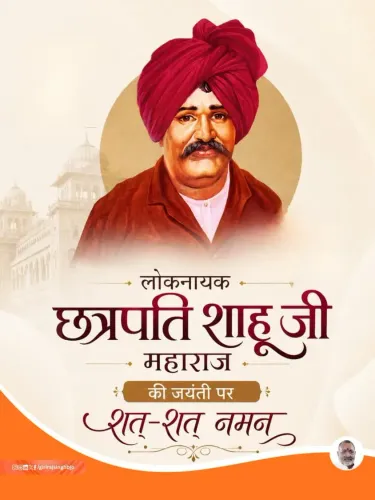
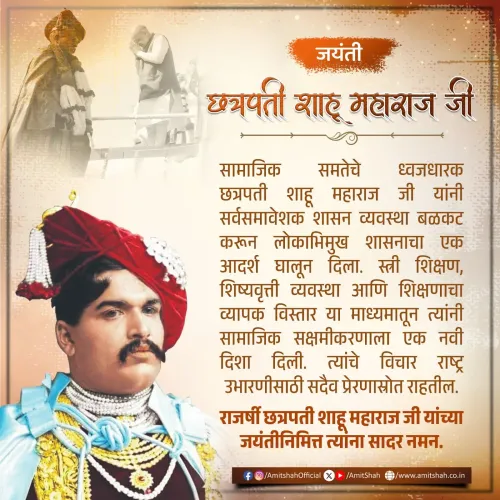
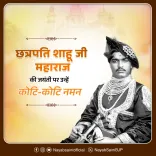
Union Defence Minister Rajnath Singh on Friday, 26 June 2026, paid tribute to Chhatrapati Shahu Maharaj, the reformist Maharaja of Kolhapur, on the occasion of his birth anniversary, hailing him as a great champion of social justice, harmony, and public welfare.
Context
In a post in Hindi, Rajnath Singh offered 'koti-koti naman' — salutations from millions — to Shahu Maharaj, describing him as 'saamajik nyay, samarasta aur jankalyan ke mahan agradoot' (a great pioneer of social justice, harmony, and public welfare) and a 'jannayak' — a people's leader. He credited the reformer with laying a strong foundation for an egalitarian and inclusive society through his struggle against untouchability and social discrimination.
Singh specifically highlighted Shahu Maharaj's campaigns to promote women's education, ban child marriage, encourage widow remarriage, and uplift the poor, marginalised, and backward classes through widespread public awareness and 'numerous historic initiatives.'
Policy Backdrop
Chhatrapati Shahu Maharaj (r. 1894–1922) ruled the princely state of Kolhapur in present-day Maharashtra and is widely regarded as a forerunner of affirmative action in India. In 1902, he issued a landmark decree reserving 50 per cent of posts in his state's administration for backward classes — one of the earliest formal affirmative-action measures in the country, predating independence by nearly five decades.
His reign also saw active state support for education among women and lower castes, and he was a known associate and patron of B. R. Ambedkar in the early years of Ambedkar's social activism. His legacy is considered foundational to the reservation and social-equity framework that later found expression in the Indian Constitution.
Stakeholders and Impact
The tribute carries significance for OBC (Other Backward Classes) and Dalit communities across Maharashtra and Uttar Pradesh, states where Shahu Maharaj's legacy commands deep respect. BJP leaders regularly mark birth anniversaries of regional social reformers as part of outreach to these communities, linking the party's contemporary welfare messaging to pre-independence reform legacies.
Women's rights advocates and groups working on anti-discrimination and access-to-education campaigns also look to Shahu Maharaj's example as a historical anchor for their demands. State governments in Maharashtra typically hold commemorative events on this date, underscoring the political and cultural salience of the occasion.
What's Next
State-level events in Maharashtra marking the birth anniversary are expected to draw political participation from across party lines. With Parliament's monsoon session approaching, references to reservation policy and women's education access — both central to Shahu Maharaj's legacy — could feature in legislative debates. Singh's tribute signals that the BJP will continue to invoke the reformer's memory as it seeks to consolidate support among backward and marginalised communities ahead of upcoming electoral cycles.
Point of View
Singh implicitly frames the party as a natural inheritor of the social-equity tradition — a narrative that competes directly with opposition claims over Ambedkarite and backward-class politics. The timing, ahead of the monsoon session, keeps reservation and social-justice discourse in the public eye without requiring a fresh policy announcement. It is a low-risk, high-visibility gesture that consolidates identity outreach at minimal political cost.
NationPress
26 Jun 2026
Frequently Asked Questions
Who was Chhatrapati Shahu Maharaj?
Chhatrapati Shahu Maharaj was the Maharaja of the princely state of Kolhapur from 1894 to 1922. He is celebrated as a pioneering social reformer who fought against untouchability, introduced one of India's earliest reservation policies in 1902, and championed women's education and widow remarriage.
Why did Rajnath Singh pay tribute to Shahu Maharaj?
Rajnath Singh paid tribute on the occasion of Shahu Maharaj's birth anniversary on 26 June 2026, honouring his legacy as a social reformer who worked for backward classes, women, and marginalised communities.
What was Shahu Maharaj's reservation policy?
In 1902, Shahu Maharaj issued a decree reserving 50 per cent of posts in the Kolhapur state administration for backward classes, making it one of the earliest formal affirmative-action measures in Indian history.
What reforms is Shahu Maharaj known for?
Shahu Maharaj is known for fighting untouchability and social discrimination, promoting women's education, banning child marriage, encouraging widow remarriage, and uplifting poor, marginalised, and backward communities through state policy and public awareness campaigns.
Why do BJP leaders regularly tribute regional social reformers?
BJP leaders mark the birth anniversaries of regional social reformers as part of outreach to OBC and Dalit communities, linking the party's welfare messaging to pre-independence reform legacies to build broader social support.