Ram Temple Trust defends CEO selection: 'Transparent, AI-assisted process'
Synopsis
The Ram Temple Trust has pushed back hard against media scrutiny of its CEO appointment, releasing a detailed account of a 5,585-application search process that used AI-assisted screening across three cities — an unusually tech-forward approach for a religious body managing one of India's most visited pilgrimage sites.
Key Takeaways
The Shri Ram Janmabhoomi Teerth Kshetra Trust issued a clarification on 14 September 2026 defending its CEO selection process.
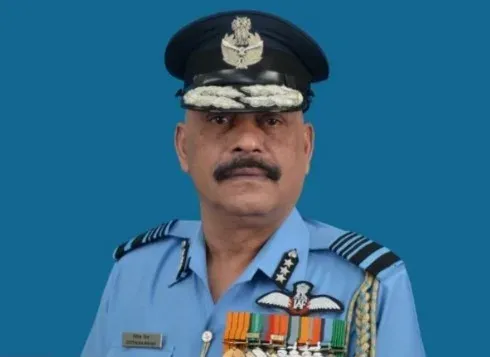
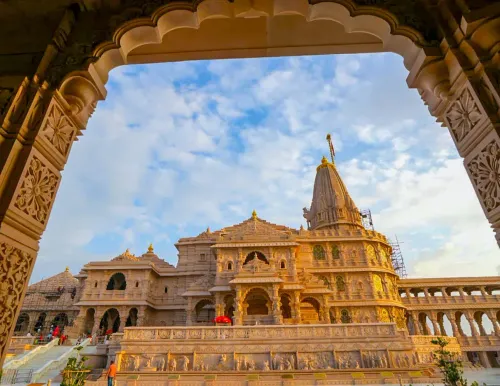
Retired Air Marshal Jitendra Mishra was appointed the first CEO of the Ram Mandir complex in Ayodhya after topping the Search Committee's evaluation.
The Search Committee, constituted on 6 July 2026 , received 5,585 applications and used AI-assisted screening alongside manual evaluation.
Interviews were conducted across Delhi NCR , Pune , and Sambalpur , with final face-to-face sessions in Ayodhya on 11–12 August 2026 .
The final shortlist included Mishra, Sanjay Pratapsinh Vishwas Rao , and Shruti Bharadwaj ; names were publicly announced before the appointment was finalised.
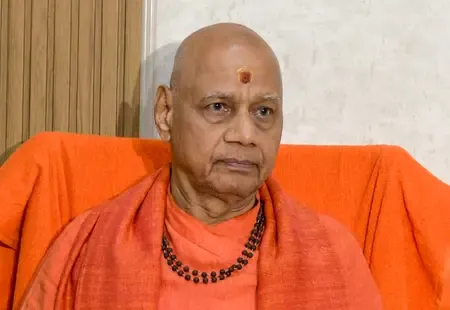
The Shri Ram Janmabhoomi Teerth Kshetra Trust on Monday, 14 September 2026 issued a formal clarification defending the selection process for its first-ever Chief Executive Officer, pushing back against media reports that questioned the appointment of retired Air Marshal Jitendra Mishra as the inaugural CEO of the Ram Mandir complex in Ayodhya. The statement, issued under the name of Swami Govinddev Giri, General Secretary of the Trust, said claims that Mishra did not participate in the interview rounds were 'factually incorrect.'
How the Selection Process Unfolded
According to the Trust, a dedicated Search Committee was constituted on 6 July 2026 to oversee the CEO search. The committee employed a combination of artificial intelligence-assisted screening and manual expert evaluation to process 5,585 applications received for the post. Evaluations were conducted across three cities — Delhi NCR, Pune, and Sambalpur — in what the Trust described as a 'multi-tiered evaluation' framework.
The process ultimately shortlisted 16 candidates, who were then invited for face-to-face interactions at Ayodhya on 11 and 12 August 2026. Air Marshal Mishra, the Trust clarified, participated during the first half of the first day of these in-person sessions.
Air Marshal Mishra's Selection and the Final Shortlist
The Search Committee's final report recommended three candidates: Air Marshal Jitendra Mishra (Retd), Sanjay Pratapsinh Vishwas Rao, and Shruti Bharadwaj. Mishra emerged as the top-ranked choice and was subsequently appointed as the first CEO of the Ram Mandir complex. The Trust said his inclusion among the final three constitutes 'documentary proof of his participation, evaluation, and merit-based selection.'
The Trust added that the names of all three finalists were formally announced through media interactions, confirming that the evaluation was complete before the appointment was made.
Trust Asserts Institutional Governance Standards
Addressing broader concerns about institutional accountability, the Trust's statement stressed that the selection adhered to 'the highest standards of institutional governance and transparency.' It noted that every stage of the process was documented and that the identities of all finalists were formally recorded at Ayodhya. The Trust pledged to continue providing factual information to address any further questions regarding the appointment.
Notably, the use of AI-assisted screening for a religious institution of this scale marks an unusual step — one the Trust appears to be highlighting as a marker of modernity and rigor in its governance approach. The Ram Mandir complex, which was consecrated in January 2024, has been managed under intense public and institutional scrutiny since its opening.
What Comes Next
With the CEO now formally in place, the Trust is expected to shift focus to long-term administrative and developmental planning for the Ayodhya complex, which draws millions of pilgrims annually. Whether the clarification fully settles the media controversy around the appointment remains to be seen, though the Trust's detailed, document-backed rebuttal signals a proactive approach to institutional communications going forward.
Point of View
Multi-city evaluations, and documented shortlisting — is itself a story about institutional communication strategy, not just HR process. Religious trusts in India rarely release this level of procedural granularity in response to media queries, suggesting the controversy touched a nerve. The real question is whether the scrutiny reflected genuine governance gaps or competitive political interest in one of the country's highest-profile institutions. Either way, the Trust's decision to respond publicly and in detail sets a precedent for how it will handle accountability going forward.
NationPress
15 Sept 2026
Frequently Asked Questions
Who was appointed as the first CEO of the Ram Mandir in Ayodhya?
Retired Air Marshal Jitendra Mishra was appointed as the first CEO of the Ram Mandir complex in Ayodhya after emerging as the top choice of the Search Committee constituted by the Shri Ram Janmabhoomi Teerth Kshetra Trust.
Why did the Ram Temple Trust issue a clarification about the CEO selection?
The Trust issued the clarification on 14 September 2026 in response to media reports suggesting that Air Marshal Mishra did not participate in the interview rounds. The Trust called these claims 'factually incorrect' and provided a detailed account of the selection process.
How many applications did the Ram Temple Trust receive for the CEO post?
The Trust received 5,585 applications for the CEO position. These were screened using a combination of AI-assisted tools and manual expert evaluation, ultimately shortlisting 16 candidates for in-person interactions.
When was the Search Committee for the CEO post set up and how did it work?
The Search Committee was constituted on 6 July 2026 and conducted a multi-tiered evaluation across Delhi NCR, Pune, and Sambalpur. The final 16 shortlisted candidates appeared for face-to-face interactions in Ayodhya on 11 and 12 August 2026.
Who were the other candidates recommended alongside Air Marshal Mishra?
The Search Committee's final report recommended three candidates: Air Marshal Jitendra Mishra (Retd), Sanjay Pratapsinh Vishwas Rao, and Shruti Bharadwaj. Mishra ranked first and was subsequently appointed CEO.