Ram Temple Trust meets in Ayodhya; CEO appointment decision deferred
Synopsis
The Ram Mandir Trust's Wednesday meeting in Ayodhya is its most consequential since the temple's consecration — but the headline item, appointing India's most-watched religious institution's first-ever CEO, will have to wait. With up to 5,500 applications flooding in and three trustee vacancies to fill simultaneously, the meeting signals both the temple's growing institutional ambition and the governance turbulence that preceded it.
Key Takeaways
The Shri Ram Janmabhoomi Temple Trust met in Ayodhya on 22 July to address a major leadership overhaul.
A decision on the Trust's first-ever CEO appointment is unlikely, with reportedly 2,500–5,500 applications received — no official figure confirmed.
Three vacancies arose from the resignations of Champat Rai and Anil Mishra over a donation theft case, and the death of trustee Bimlendra Mohan Pratap Mishra .
Interim General Secretary Krishna Mohan may be elevated to a permanent role during the meeting.
A three-member committee formed on 6 July is tasked with shortlisting three CEO candidates for Teerth Kshetra Trust approval.
The new CEO will oversee daily temple operations and have authority to appoint their own staff.
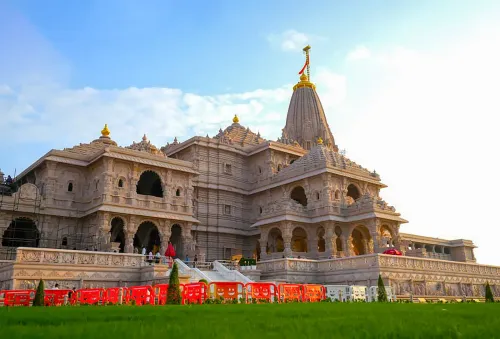
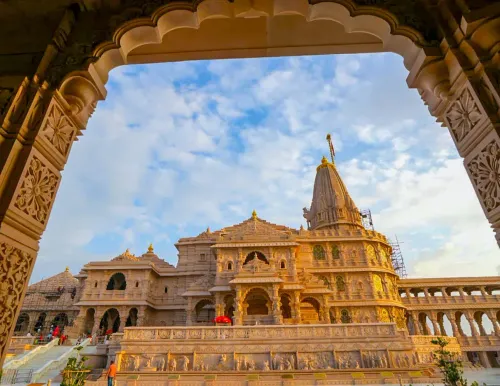
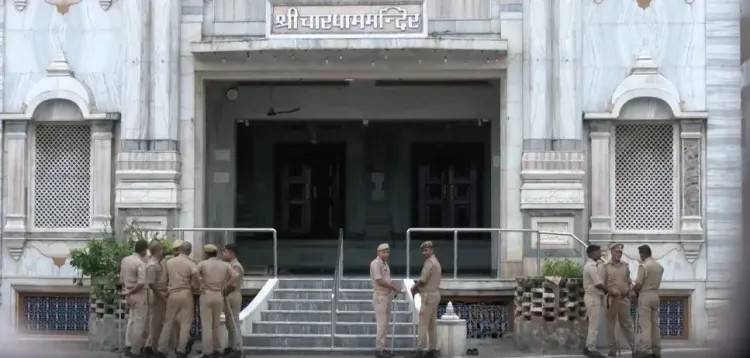
The Shri Ram Janmabhoomi Temple Trust convened a high-stakes meeting in Ayodhya, Uttar Pradesh, on Wednesday, 22 July to address a sweeping organisational overhaul — including the appointment of a new General Secretary, filling three vacant trustee positions, and advancing the selection process for the Trust's first-ever Chief Executive Officer (CEO). However, a final decision on the CEO post is unlikely at this meeting, given the sheer volume of applications received.
Why the CEO Decision Has Been Deferred
The Trust had kept the CEO application window open until 18 July, and the response has been overwhelming. Unconfirmed reports place the number of applications somewhere between 2,500 and 5,500, though the Trust has not released official figures. According to Trust sources, screening such a large applicant pool within a short timeframe is not feasible.
The selection committee is currently in the initial stages of scrutinising applications based on candidate profiles. Shortlisted applicants will subsequently be called for in-person interviews, after which the committee is expected to submit three probable names to the Teerth Kshetra Trust for final approval. This is the first time in the temple's history that a CEO with defined operational responsibilities and accountability will be appointed.
Three Vacancies and a New General Secretary
The Trust is also expected to announce appointments to fill three vacancies that emerged under difficult circumstances. Former General Secretary Champat Rai and trustee Anil Mishra resigned in the wake of a donation theft case, while trustee Bimlendra Mohan Pratap Mishra passed away, creating the third vacancy. Sources indicate that announcements on all three positions are anticipated during Wednesday's meeting.
Additionally, Krishna Mohan, who has been serving as interim General Secretary, may be elevated to the permanent post during the session.
What the CEO Role Will Entail
The CEO position — being created for the first time in the Trust's history — will carry responsibility for overseeing day-to-day temple operations and managing staff. Once the Teerth Kshetra Trust approves a candidate, the new CEO will have the authority to appoint their own support staff, including a secretary. A three-member committee, constituted after the 6 July Trust meeting, has been tasked with shortlisting three names for the role.
Why This Meeting Is Significant
This gathering is widely regarded as a turning point for the Ram Mandir's institutional structure. The simultaneous push to fill leadership vacancies, professionalise governance through a CEO, and stabilise the Trust's composition reflects a broader effort to strengthen accountability at one of India's most prominent religious institutions. The outcome of Wednesday's deliberations will shape the Trust's functioning for years ahead.
Point of View
Drawing thousands of applicants, reflects the post's prestige, but the Trust's inability to screen them quickly enough for a single meeting raises questions about its administrative capacity at exactly the moment it is trying to project organisational maturity. Whether the new appointments restore credibility will depend less on the titles conferred and more on the accountability structures built around them.
NationPress
21 Oct 2026
Frequently Asked Questions
Why is the Ram Temple Trust meeting in Ayodhya on 22 July significant?
The meeting is significant because the Trust is simultaneously attempting to fill three leadership vacancies, appoint a new General Secretary, and advance the selection of its first-ever CEO. This represents the most consequential organisational overhaul since the temple's consecration.
Why has the CEO appointment been deferred?
A final decision on the CEO has been deferred because the Trust received an overwhelming number of applications — reportedly between 2,500 and 5,500 — before the 18 July deadline. The selection committee needs more time to screen candidates before shortlisting three names for the Teerth Kshetra Trust's approval.
Why are there three vacancies in the Ram Temple Trust?
The three vacancies arose after former General Secretary Champat Rai and trustee Anil Mishra resigned following a donation theft case, and trustee Bimlendra Mohan Pratap Mishra passed away.
What will the Ram Mandir CEO be responsible for?
The CEO — a role being created for the first time in the Trust's history — will oversee daily temple operations and manage staff. Once approved by the Teerth Kshetra Trust, the CEO will also have authority to appoint their own support staff, including a secretary.
Who is Krishna Mohan and what role might he get?
Krishna Mohan is currently serving as the interim General Secretary of the Ram Temple Trust. He is reportedly being considered for elevation to the permanent General Secretary post during the 22 July meeting.