CM Sai Flags Rail Nod for Key Chhattisgarh Corridors
Synopsis
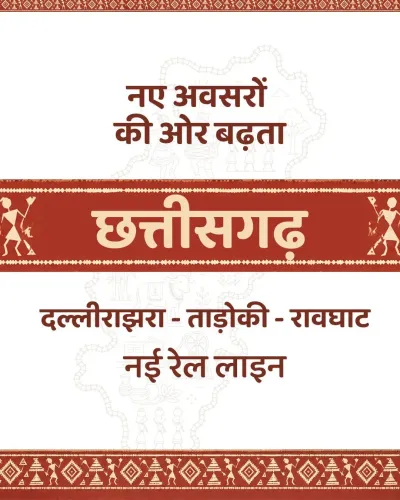
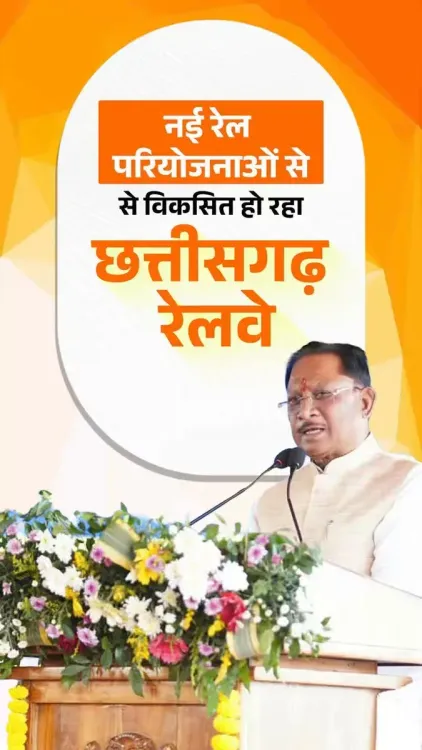
Chief Minister Vishnu Deo Sai announces formal approval for three key Chhattisgarh rail corridors — Raoghat–Jagdalpur, Ambikapur–Barwadih, and Kharsiya–Parmalaksa — promising improved connectivity for tribal and mineral-belt districts.
Key Takeaways
Three rail corridors — Kharsiya–Parmalaksa (Rajnandgaon), Ambikapur–Barwadih, and Raoghat–Jagdalpur — have received formal approval.
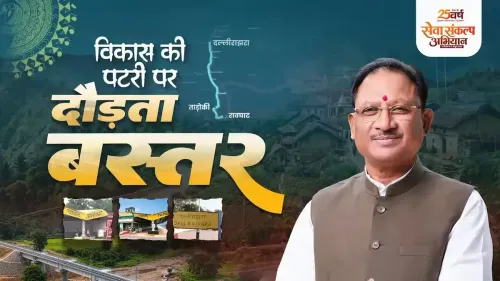
The Raoghat–Jagdalpur line is the most consequential, linking the mineral-rich and underserved Bastar region to the national network.
The Ambikapur–Barwadih corridor connects Chhattisgarh's Surguja district to Jharkhand , bridging two resource-belt states.
CM Vishnu Deo Sai framed the sanctions as a central–state development partnership, tagging the Railways Ministry and PM Modi.
Indian Railways has a historical pattern of sanctioning Chhattisgarh lines since the early 2010s, with execution often lagging behind announcement.
Concrete timelines will depend on detailed project reports, land acquisition and funding disbursements in forthcoming railway budget cycles.
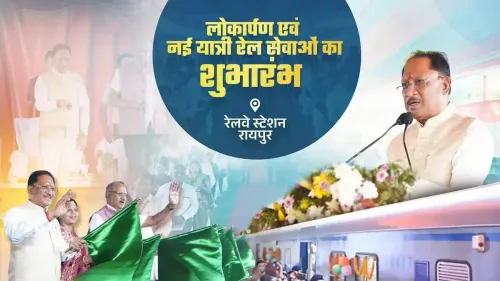
Three railway corridors that have long sat on the drawing board — Kharsiya–Parmalaksa (Rajnandgaon), Ambikapur–Barwadih, and the long-anticipated Raoghat–Jagdalpur line — have received formal approval, Chief Minister Vishnu Deo Sai announced on Tuesday, 20 October 2026. The Chief Minister's Office of Chhattisgarh said the sanctions will ease movement across the state and inject fresh momentum into regional development.
Posting on X and tagging the Ministry of Railways, CM Sai wrote: 'छत्तीसगढ़ में रेल कनेक्टिविटी को नई गति देते हुए...' — 'Giving new momentum to rail connectivity in Chhattisgarh, several important railway projects including Kharsiya–Parmalaksa (Rajnandgaon), Ambikapur–Barwadih and Raoghat–Jagdalpur have been sanctioned. These projects will ease movement in the state and give new speed to development.'
What each corridor means on the map
The three corridors span very different geographies — and very different development problems. The Raoghat–Jagdalpur line cuts deepest into Bastar, one of India's most mineral-rich and historically underserved divisions, where road access remains fragile and communities have spent decades physically disconnected from the wider economy. A rail link here is not merely a convenience — it is an economic lifeline for tribal populations and a freight channel for the region's ore deposits.
The Ambikapur–Barwadih stretch links Surguja in northern Chhattisgarh to Jharkhand, stitching together two resource-belt states that share similar connectivity gaps. The Kharsiya–Parmalaksa segment in Rajnandgaon district addresses industrial and passenger movement in the state's central corridor, where agricultural and manufacturing activity is concentrated.
A long-running push for Chhattisgarh's interior
Indian Railways has periodically sanctioned new lines and extensions in Chhattisgarh since the early 2010s, responding to persistent connectivity deficits in the tribal and mineral belts. Successive central governments — and successive state administrations — have flagged the same districts as priority zones, but project execution has historically lagged behind announcement timelines.
CM Sai, who took office in December 2023, has positioned rail and road infrastructure as a signature pillar of his government's development agenda. The tagging of Prime Minister Narendra Modi and the Railways Ministry in the post signals a deliberate effort to frame these sanctions as a central–state partnership delivering on ground-level promises.
Implementation: where the real test begins
Approvals are the starting gun, not the finish line. Detailed project reports, land acquisition plans, environmental clearances, and actual funding disbursements will determine whether these corridors move from gazette to gravel. The Raoghat–Jagdalpur project in particular has a long history of announcements followed by delays — the terrain through Bastar is challenging, and coordination between state and central agencies has historically been complex.
Watchers will look to Indian Railways' next budget cycle and state-level coordination meetings for concrete construction timelines. If the pace matches the ambition, Chhattisgarh's interior communities could see their geography — for so long a barrier — finally become a bridge.
Point of View
Where connectivity has long lagged behind resource extraction potential. For CM Sai — a first-term BJP chief minister seeking visible development wins — securing railway sanctions from the Centre is both a governance milestone and political capital. The framing of these approvals as a 'partnership' with the Modi government also signals alignment between Raipur and Delhi heading into the next state electoral cycle. The real measure of success, however, will be whether these corridors break Chhattisgarh's historical pattern of sanctioned-but-stalled rail projects.
NationPress
21 Oct 2026
Frequently Asked Questions
Which railway projects have been approved for Chhattisgarh in 2026?
Three key corridors have been approved: Kharsiya–Parmalaksa (Rajnandgaon), Ambikapur–Barwadih, and Raoghat–Jagdalpur, as announced by Chief Minister Vishnu Deo Sai on 20 October 2026.
What is the Raoghat–Jagdalpur railway project?
The Raoghat–Jagdalpur rail line is a proposed corridor in Chhattisgarh's Bastar region designed to connect remote, tribal-dominated and mineral-rich areas to the national rail network, improving both passenger movement and freight transport.
Who approved the new Chhattisgarh railway lines?
The approvals were sanctioned at the central government level by Indian Railways, under the Ministry of Railways. CM Vishnu Deo Sai announced the decisions, tagging the Railways Ministry in his post.
How will the Ambikapur–Barwadih rail line help Chhattisgarh?
The Ambikapur–Barwadih line will connect Surguja district in northern Chhattisgarh to Barwadih in Jharkhand, improving inter-state connectivity for communities and industries in both resource-belt regions.
When will the new Chhattisgarh railway projects be built?
Specific construction timelines have not yet been announced. Implementation will depend on detailed project reports, land acquisition, environmental clearances, and funding disbursements from Indian Railways in future budget cycles.