White House Launches Fraud Whistleblower Incentive Program
Synopsis
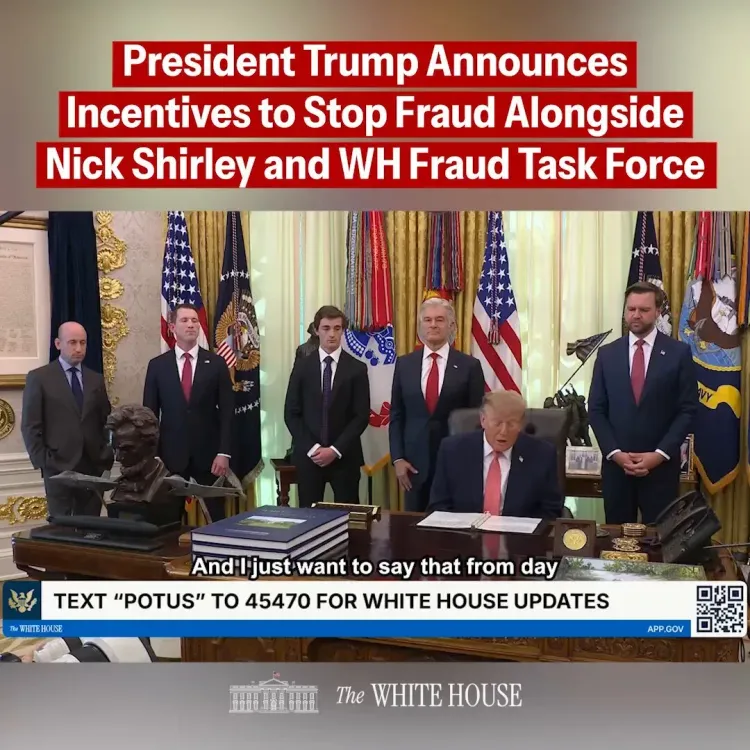
The White House unveiled the Fraud Whistleblower Incentive Program on October 22, 2026, directing citizens to report government fraud via FRAUD.GOV. President Trump framed the move as an 'unprecedented war on fraud,' building on the longstanding False Claims Act framework to enlist public participation in fighting waste.
Key Takeaways
The White House launched the Fraud Whistleblower Incentive Program on October 22, 2026 , inviting citizens to report fraud via FRAUD.GOV .
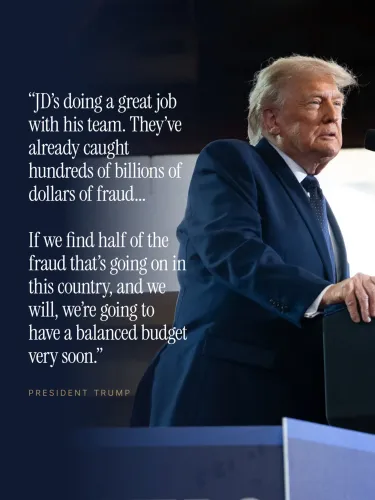
President Donald Trump described the effort as an 'unprecedented war on fraud' aimed at stopping the country from being 'plundered by fraudsters.' The program draws on the tradition of the False Claims Act (1986) , which already allows private citizens to report and share in recoveries from federal fraud cases.
Primary targets of such enforcement have historically been federal contractors and recipients of entitlement-program funds.
The initiative's real-world impact hinges on Congressional funding , agency guidance, and clear eligibility rules for whistleblower rewards.
The choice of a public-facing portal signals an administration strategy of mass civic mobilisation, not just bureaucratic audit reform.
A new federal initiative is putting ordinary Americans on the front line of the fight against government fraud — and offering them a direct financial stake in the outcome. The White House on Wednesday, October 22, 2026, announced the Fraud Whistleblower Incentive Program, framing it as a citizen-powered mechanism to expose and eliminate fraudulent activity draining public resources across the country.
What the Program Promises
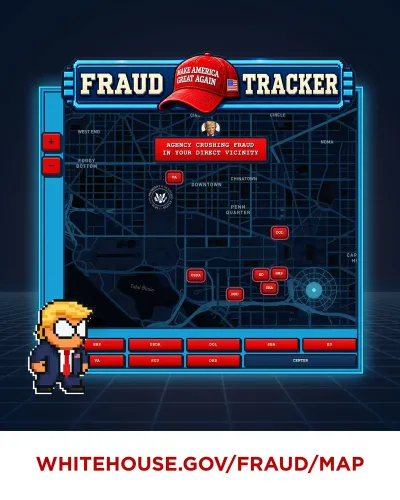
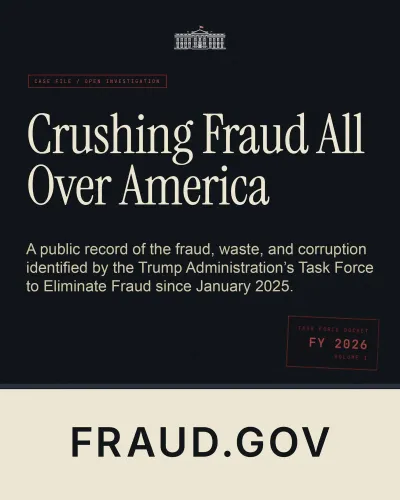
The initiative, promoted through the dedicated portal FRAUD.GOV, invites members of the public to seek out, report, and help eliminate fraud in their communities. The announcement positions ordinary citizens as active participants rather than passive bystanders — a deliberate design choice that mirrors the logic behind America's existing whistleblower statutes. President Donald Trump is credited with launching what the White House calls 'an unprecedented war on fraud,' signalling aggressive executive intent on government waste and misuse of funds.
The program builds on a long legal tradition rooted in the False Claims Act, originally passed during the Civil War era and significantly strengthened by Congress in 1986. That law already allows private citizens to sue on behalf of the federal government and collect a portion of recovered funds — a model that has generated billions in recoveries across administrations of both parties. The new initiative appears to expand or amplify that architecture, though its precise eligibility rules, payout structures, and jurisdictional scope are still emerging.
The Stakes: Taxpayer Money and Federal Contracting
Fraud in government programs — spanning defence procurement, entitlement spending, and federal relief disbursements — costs American taxpayers hundreds of billions of dollars annually by government estimates. Federal contractors and recipients of entitlement payments have historically been the primary targets of False Claims Act enforcement. A whistleblower-incentive model, if robustly implemented, shifts some of the detection burden from federal investigators to insiders and community members who are closest to the wrongdoing.
The critical variable now is follow-through. Any new incentive structure requires Congressional funding, clear agency guidance on how claims are evaluated, and statutory clarity on reward thresholds. Without those guardrails, the portal risks becoming a reporting inbox without enforcement teeth — a pattern seen in earlier anti-fraud drives that generated headlines but modest recoveries.
Trump's Anti-Fraud Record and What This Signals
During his first term (2017–2021), Trump issued executive orders targeting regulatory bloat and directed agencies to tighten oversight of grant and contract spending. The current announcement suggests that in his second term, the administration is escalating that agenda with a public-facing, incentive-driven tool. The choice to brand the effort through a memorable URL — FRAUD.GOV — reflects a communications strategy aimed at mass civic participation, not just agency-level audits.
Whether the program generates the kind of large-scale fraud recoveries its framing promises will depend on the institutional machinery built behind it. But as a political signal, it is unambiguous: the Trump White House is betting that empowering citizens to report fraud plays well with a public frustrated by government waste — and it is putting a direct-action portal behind that bet.
Point of View
Designed to make anti-fraud activism feel personal and participatory. The real test will come in the implementation details — reward thresholds, agency processing capacity, and whether Congress allocates the resources to back the promise. Without that scaffolding, the initiative risks becoming a high-profile inbox rather than a genuine enforcement upgrade.
NationPress
21 Oct 2026
Frequently Asked Questions
What is the Fraud Whistleblower Incentive Program?
It is a new US government initiative announced by the White House that offers citizens financial incentives to report fraud against the government, accessed through the portal FRAUD.GOV.
How does the Fraud Whistleblower Incentive Program relate to the False Claims Act?
The False Claims Act, substantially strengthened in 1986, already allows private citizens to sue on behalf of the federal government and collect a share of recovered funds. The new program appears to build on or expand this legal framework.
Who benefits from whistleblower fraud reporting in the US?
American taxpayers are the primary beneficiaries, as recovered funds return to federal coffers. The whistleblower themselves can receive a financial reward under existing and new incentive structures.
What does Trump's anti-fraud initiative mean for federal contractors?
Federal contractors are among the primary targets of fraud enforcement actions under the False Claims Act. A strengthened whistleblower program increases the likelihood that insiders within contracting firms report overbilling or misconduct.