Ram Temple Trust opens CEO applications amid donation row Supreme Court scrutiny
Synopsis
With the Supreme Court issuing notices over alleged donation misappropriation, the Ram Temple Trust has opened applications for a CEO — a post being created explicitly to add accountability to a system under fire. The move is less a routine hire and more a governance intervention, with the Trust insisting the new official will answer to the Trust alone, not the government.
Key Takeaways
The Shri Ram Janmabhoomi Teerth Kshetra Trust opened CEO applications on 13 July , with a deadline of 4 pm on 18 July .
Applicants must have a graduate degree and at least 20 years of experience in administration or finance; preference for those with temple management background.
The CEO will serve an initial term of three years and must reside in Ayodhya throughout the tenure.
The Supreme Court has issued notices to the Centre , Uttar Pradesh government , and the Trust over petitions seeking a court-monitored probe into alleged donation misappropriation.
The UP SIT has been directed to submit a status report and disclose its team composition.
Nripendra Misra confirmed the CEO will operate within the Trust's hierarchy with no government interference.
The Shri Ram Janmabhoomi Teerth Kshetra Trust on Monday, 13 July invited applications for the post of Chief Executive Officer (CEO) of the Ram Temple in Ayodhya, even as the controversy over alleged donation irregularities deepens and the Supreme Court tightens its oversight of the matter. The recruitment drive comes with a deadline of 4 pm on 18 July for submission of applications.
Who Can Apply and What the Role Entails
According to the notification issued by the Trust, eligible candidates must hold a graduate degree and carry a minimum of 20 years of experience in administration or finance. The Trust has stated that preference will be given to candidates with prior exposure to temple administration or management, and applicants are required to be followers of the Hindu faith.
The selected CEO will be appointed for an initial tenure of three years and will be required to reside in Ayodhya throughout that period. The role covers the full scope of the temple's administrative management and day-to-day operational oversight. A Secretary is also being appointed separately to assist with the recruitment process and facilitate the CEO's induction.
Supreme Court Notices and the Donation Controversy
The recruitment push arrives at a particularly sensitive moment. The Supreme Court has issued notices to the Centre, the Uttar Pradesh government, and the Trust itself on petitions seeking an independent, court-monitored investigation into the alleged misappropriation of donations received by the temple. The apex court has additionally directed the Uttar Pradesh government's Special Investigation Team (SIT) to submit a status report and disclose the composition of its investigating team.
This is the most significant judicial intervention in the temple's administration since its consecration, and it places the Trust under considerable institutional pressure to demonstrate accountability.
What the Trust's Leadership Has Said
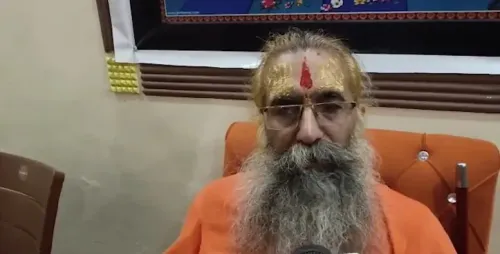
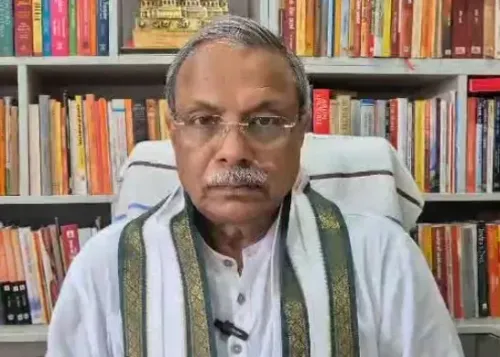
Ram Mandir Construction Committee Chairman Nripendra Misra, in an interview, expressed hope that the new CEO arrangement would reinforce the Trust's focus on devotee welfare. Misra said it was time to add another layer to the system to prevent a recurrence of the donation row.
Misra was explicit about the CEO's position within the hierarchy: 'The CEO will be an additional link in the system. The hierarchy of the existing system is not being disturbed. The trust is supreme, and its decisions will be final,' he said, adding that the CEO would seek advice from the general secretary and a mandate from the Trust, with no scope for government interference.
Why This Appointment Matters
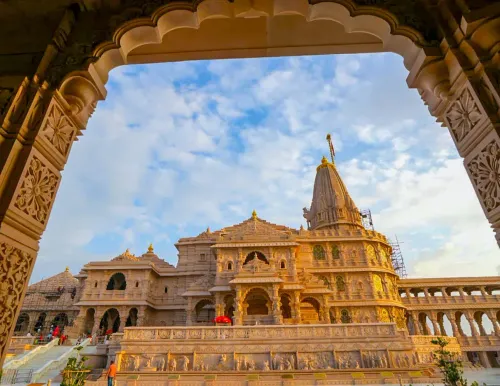
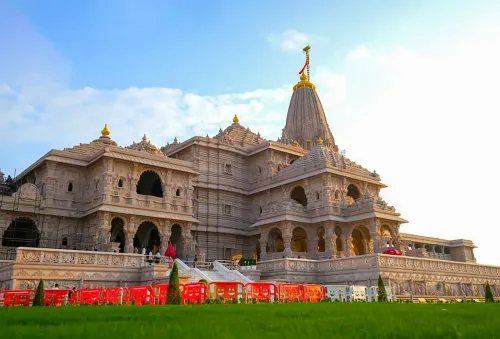
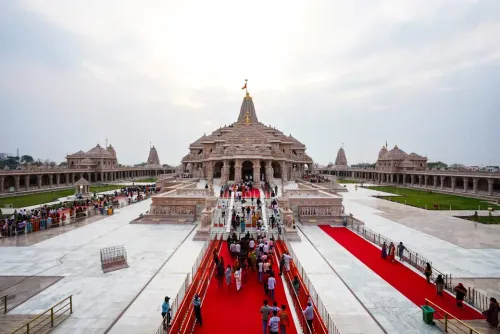
The Ram Temple, consecrated in January 2024, has emerged as one of India's highest-footfall religious sites, drawing millions of devotees and generating substantial donation inflows. The alleged embezzlement controversy has drawn scrutiny not just from the courts but from political circles, making the CEO appointment a governance milestone rather than a routine administrative exercise.
Notably, the Trust's insistence on zero government interference in the CEO's mandate signals an attempt to insulate the appointment from political optics, even as the Supreme Court's oversight creates an external accountability layer. How the new CEO navigates that dual pressure will define the credibility of the Trust's reform effort.
Frequently Asked Questions
Why is the Ram Temple Trust appointing a CEO now?
The Trust is appointing a CEO to strengthen administrative oversight of the Ram Temple in Ayodhya following a controversy over alleged donation irregularities. The move comes as the Supreme Court has issued notices to the Centre, the Uttar Pradesh government, and the Trust itself over petitions seeking an independent, court-monitored investigation into the alleged misappropriation of donations.
What are the eligibility criteria for the Ram Temple CEO post?
Candidates must hold a graduate degree and have at least 20 years of experience in administration or finance. The Trust has stated that preference will be given to those with prior experience in temple administration or management, and applicants are required to be followers of the Hindu faith. The application deadline is 4 pm on 18 July.
What powers will the new Ram Temple CEO have?
According to Trust leadership, the CEO will oversee the temple's full administrative and day-to-day operations, seeking guidance from the general secretary and a mandate from the Trust. Nripendra Misra clarified that the Trust remains supreme and its decisions final, with no scope for government interference in the CEO's functioning.
What has the Supreme Court said about the Ram Temple donation row?
The Supreme Court has issued notices to the Centre, the Uttar Pradesh government, and the Shri Ram Janmabhoomi Teerth Kshetra Trust on petitions demanding an independent, court-monitored probe into alleged misappropriation of temple donations. It has also directed the UP government's Special Investigation Team (SIT) to submit a status report and reveal the composition of its investigating team.
How long will the Ram Temple CEO serve?
The selected CEO will be appointed for an initial period of three years and will be required to reside in Ayodhya for the full duration of the tenure to oversee the temple's administrative and operational responsibilities.