CM Hemant Soren Reviews Higher & Technical Education Dept
Synopsis
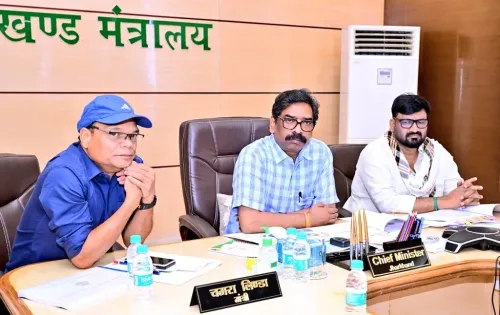
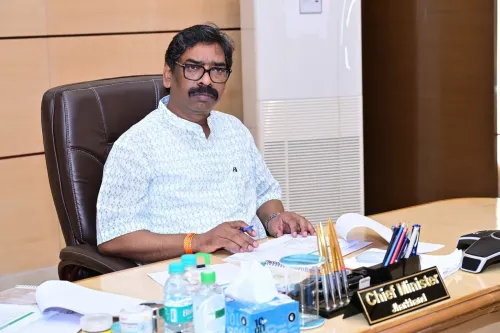
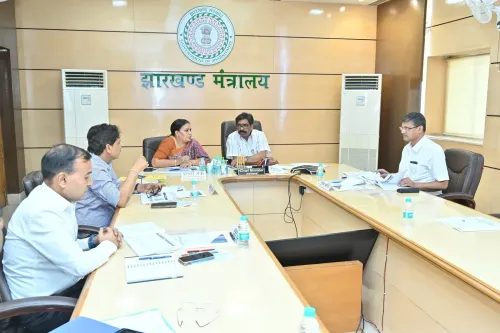
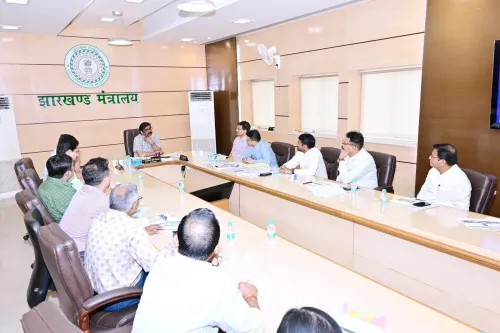
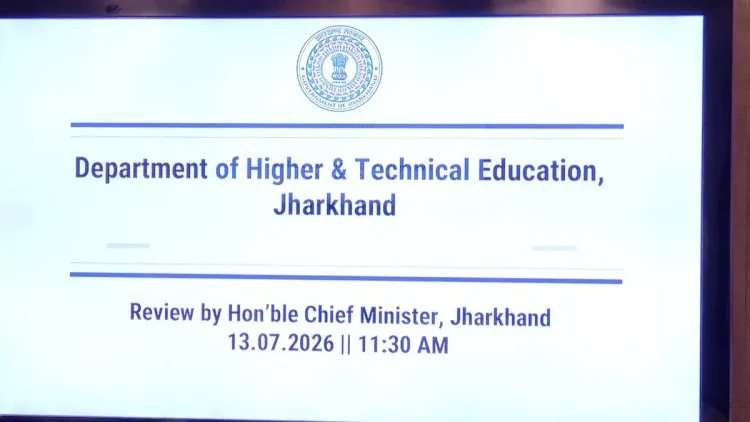
Chief Minister Hemant Soren on 13 July 2026 reviewed the functioning of Jharkhand's Higher and Technical Education Department and issued several directives to officials, signalling fresh state-level focus on education delivery in a state with significant access and quality challenges.
Key Takeaways
Chief Minister Hemant Soren conducted a review of the Higher and Technical Education Department on 13 July 2026 .
The review resulted in multiple directives being issued to senior departmental officials.
The department oversees universities, engineering colleges, and polytechnics across Jharkhand.
The review aligns with Jharkhand's ongoing effort to implement goals set out in the National Education Policy 2020 .
Jharkhand's large tribal population and limited institutional density make higher and technical education a critical policy focus.
Specific instructions from the review are yet to be made public; follow-up action is expected in upcoming departmental communications.
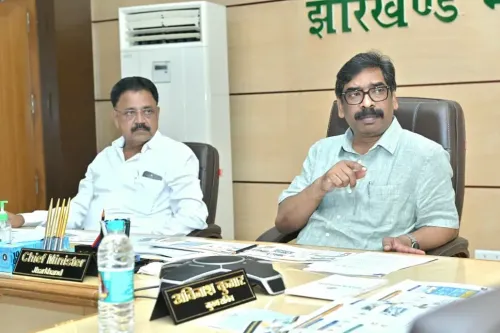
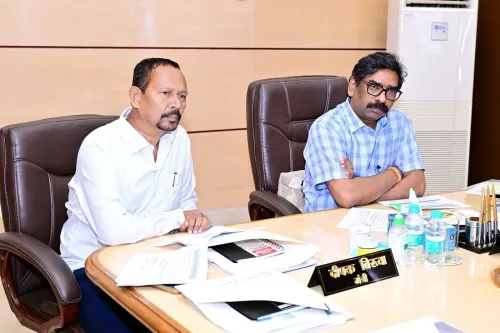
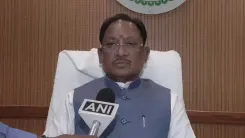
The Chief Minister's Office of Jharkhand announced on Monday, 13 July 2026 that Chief Minister Hemant Soren conducted a review of the Higher and Technical Education Department and issued several directives to senior officials. The review signals renewed state-level attention to institutional performance and policy delivery in Jharkhand's higher and technical education sector.
The official post stated: 'मुख्यमंत्री श्री Hemant Soren ने उच्च एवं तकनीकी शिक्षा विभाग के कार्यों की समीक्षा कर अधिकारियों को कई निर्देश दिए हैं' — meaning, 'Chief Minister Hemant Soren reviewed the functioning of the Higher and Technical Education Department and issued several instructions to officials.'
Context
Hemant Soren, the Jharkhand Mukti Morcha (JMM) leader who has served as Chief Minister since 2019, has consistently emphasised state development priorities with a focus on education and livelihood. Periodic departmental reviews are a standard governance mechanism through which the Chief Minister's Office monitors implementation and flags course corrections. This review of the Higher and Technical Education Department fits squarely within that pattern.
Jharkhand, home to a large tribal population and marked by relatively limited institutional density, faces persistent access and quality challenges in higher education. Ministerial-level reviews are among the tools the state uses to bridge gaps between policy intent and ground-level delivery.
Policy Backdrop
The National Education Policy (NEP) 2020 laid out a sweeping reform agenda for higher and technical education, calling on states to align curricula, strengthen institutions, and expand access — particularly in underserved regions. Jharkhand, like several other states, has been in the process of aligning its departmental priorities with these national goals.
The Higher and Technical Education Department oversees universities, engineering colleges, polytechnics, and related institutions across the state. Its mandate spans regulatory oversight, faculty recruitment, infrastructure development, and coordination with central skill-development schemes — all areas where periodic review by the Chief Minister can accelerate decision-making.
Stakeholders and Impact
The most direct stakeholders are students enrolled in Jharkhand's higher education and technical institutions, along with faculty, administrators, and prospective graduates entering a competitive job market. Any directives emerging from the review that address curriculum quality, infrastructure, or placement support would affect thousands of students across the state.
Broader beneficiaries include industries seeking technically trained talent from Jharkhand and tribal communities for whom government-run technical institutes often represent the primary pathway to formal employment. Civil society groups and student organisations tracking access-to-education metrics will also watch the outcomes of this review closely.
What's Next
The specific instructions issued during the review have not yet been made public in detail. Observers should watch for follow-up notifications from the Higher and Technical Education Department, potential budget reallocations in the next state assembly session, and any new guidelines issued to universities and technical institutes.
If the directives translate into concrete policy changes — such as revised admission norms, infrastructure grants, or faculty hiring drives — the impact could be measurable in the state's annual education data. The trajectory of implementation will be a key indicator of whether this review produces lasting reform or remains a routine administrative exercise.
Point of View
A predominantly rural and tribal demographic, and historical underfunding — make such reviews more than routine; they are pressure points on a government that has staked much of its identity on welfare and empowerment. The alignment with NEP 2020 goals also gives the state cover to push institutional reforms that might otherwise face bureaucratic resistance. Whether the directives issued translate into measurable improvements will determine how this review is remembered — as a turning point or a missed opportunity.
NationPress
13 Jul 2026
Frequently Asked Questions
What did CM Hemant Soren do in the July 2026 education review?
Chief Minister Hemant Soren reviewed the functioning of Jharkhand's Higher and Technical Education Department on 13 July 2026 and issued several directives to senior officials, though the specific instructions have not yet been publicly detailed.
Which department did Hemant Soren review on 13 July 2026?
He reviewed the Higher and Technical Education Department, which is responsible for universities, engineering colleges, polytechnics, and related institutions in Jharkhand.
How does the NEP 2020 relate to Jharkhand's higher education policy?
The National Education Policy 2020 set reform goals for higher and technical education that states including Jharkhand have been aligning with, making departmental reviews a key mechanism for tracking implementation progress.
Why is higher education a critical issue in Jharkhand?
Jharkhand has a large tribal population and relatively limited institutional density, creating persistent access and quality challenges that make higher and technical education a priority for successive state governments.
What should we watch for after this education department review?
Follow-up directives from the Higher and Technical Education Department, potential budget allocations in the next state assembly session, and new guidelines for universities and technical institutes will indicate the practical impact of the review.