Raipur–Visakhapatnam Rail Corridor to Get Connectivity Boost: Vaishnaw
Synopsis
Union Railways Minister Ashwini Vaishnaw has announced plans to extend railway connectivity from Raipur through Rawghat and Jagdalpur to Visakhapatnam via Koraput, promising improved travel and regional integration for Chhattisgarh's citizens, particularly in the long-underserved Bastar region.
Key Takeaways
Union Railways Minister Ashwini Vaishnaw announced expansion of rail connectivity along the Raipur–Rawghat–Jagdalpur–Koraput–Visakhapatnam corridor.
The announcement was shared by the Chief Minister's Office of Chhattisgarh on 20 October 2026 .
Jagdalpur (Bastar headquarters) has historically been underserved by rail, making this corridor a long-sought connectivity milestone.
The route passes through Koraput in Odisha before reaching the port city of Visakhapatnam in Andhra Pradesh, framing it as an inter-state economic artery.
Key next steps include project sanction orders, land acquisition in forest-dense areas, and budget allocations from the Ministry of Railways .
The corridor aligns with the central government's broader push to integrate remote and tribal districts with major economic and port hubs.
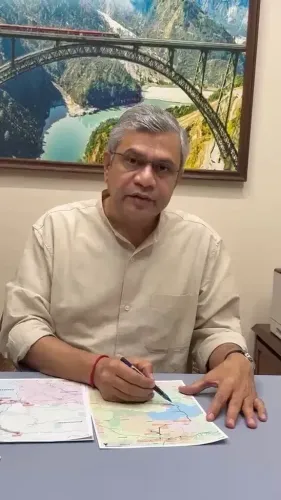
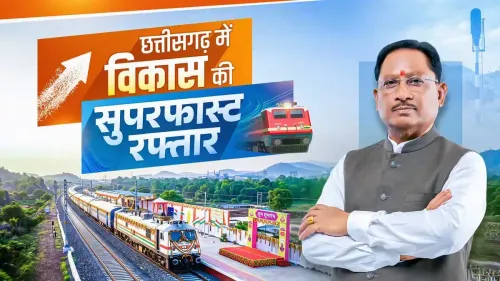
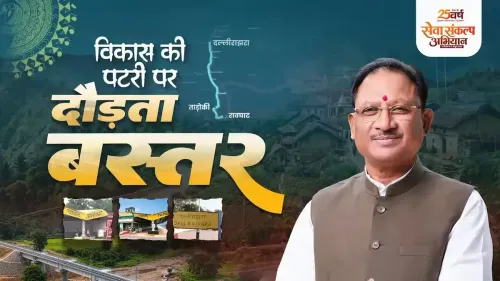
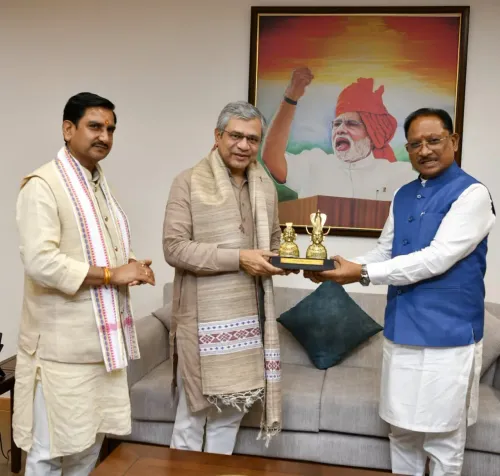
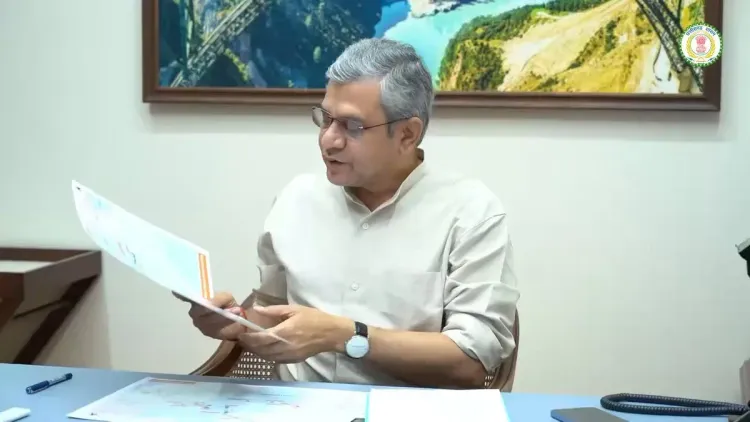
A rail corridor stretching from the Chhattisgarh capital all the way to the Andhra Pradesh coast is set for a significant connectivity upgrade. The Chief Minister's Office of Chhattisgarh shared a statement on Tuesday, 20 October 2026 from Union Railways Minister Ashwini Vaishnaw, announcing plans to extend railway connectivity along the Raipur–Rawghat–Jagdalpur–Koraput–Visakhapatnam corridor.
In his statement, Vaishnaw said: 'Railway connectivity will be expanded from Raipur to Rawghat, from Rawghat to Jagdalpur, and further via Koraput to Visakhapatnam. This will provide better travel facilities to the citizens of Chhattisgarh and give new strength to regional connectivity.'
Why Rawghat and Jagdalpur Are the Critical Links
Jagdalpur, the headquarters of the Bastar district, has historically been one of the more underserved areas of Chhattisgarh's rail map. The Bastar region is mineral-rich and home to a significant tribal population, yet its rail links with the state capital Raipur have long lagged behind its economic potential. The Rawghat segment — threading through the forested interior — is the missing link that would stitch these communities into the broader national network.
Indian Railways has pursued incremental extensions in this corridor since the 2010s, but the push has gathered fresh momentum under the current central government's focus on integrating remote districts. The Rawghat alignment in particular has been long discussed as both a connectivity and a mineral-evacuation route, given the region's iron-ore reserves.
Bastar to the Bay of Bengal — A Regional Economic Artery
The corridor does not stop at Chhattisgarh's borders. By routing through Koraput in Odisha and terminating at the port city of Visakhapatnam in Andhra Pradesh, the project frames itself as a genuine inter-state economic artery. Visakhapatnam is one of India's busiest ports and a major industrial hub on the east coast; direct or improved rail access from the Bastar heartland could transform freight logistics for the region's mining and agricultural output.
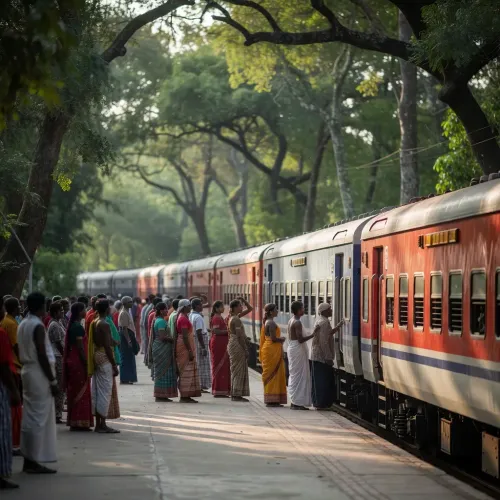
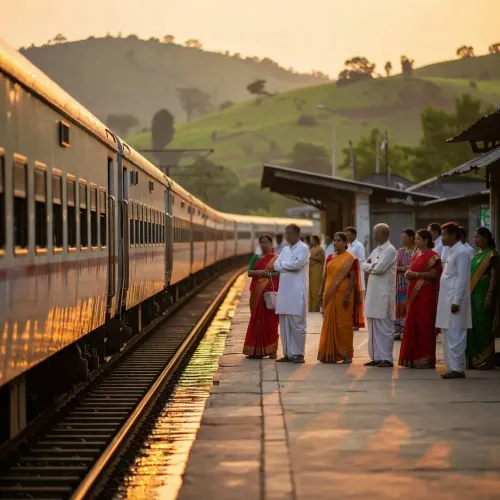
For everyday passengers, the promise is simpler but no less significant — fewer road-dependent detours through difficult terrain, reduced travel times, and a direct link from some of central India's most isolated communities to a major coastal city.
What Needs to Happen Before Trains Roll
The announcement, attributed to the Union Railways Minister, signals political will at the highest level. The Ministry of Railways oversees route sanctions, land acquisition, and budget allocations — all of which remain the decisive hurdles for a project of this scale. Watchers will look to upcoming railway budget deliberations and state-central coordination meetings for project sanction orders and funding timelines. Land acquisition in forest-dense, tribal-area corridors is typically the longest leg of the journey from announcement to execution.
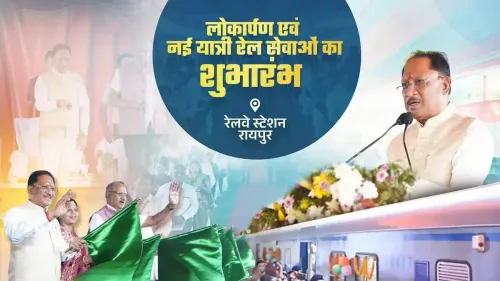
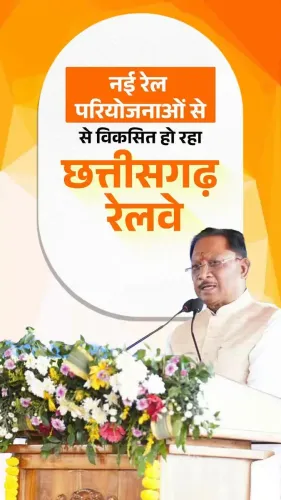
For Chhattisgarh Chief Minister Vishnu Deo Sai's government, amplifying the Railways Minister's statement reinforces a narrative of proactive engagement with the Centre on infrastructure — a powerful signal ahead of any future electoral cycle in a state where connectivity in Bastar has been a persistent voter concern.
Central India's rail story is being redrawn, one forest corridor at a time. The real test is whether funding and land clearances keep pace with the ambition.
Point of View
Amplified by the Chhattisgarh CMO, fits squarely into the BJP-led Centre's political playbook of deploying infrastructure pledges in states it governs — visibly co-authoring development narratives alongside state governments. The Raipur-to-Visakhapatnam corridor is not merely a transport project; it is a strategic attempt to economically unlock the Bastar region, which has for decades been associated with Maoist insurgency and administrative neglect. If realised, linking Bastar directly to a major port would be one of the most consequential infrastructure moves in central India in a generation. The gap between announcement and execution, however, remains wide — forest land acquisition and tribal consent processes have historically stalled similar projects for years.
NationPress
21 Oct 2026
Frequently Asked Questions
What is the proposed Raipur to Visakhapatnam rail route?
The proposed corridor runs from Raipur (Chhattisgarh) through Rawghat and Jagdalpur , then via Koraput (Odisha) to Visakhapatnam (Andhra Pradesh), linking central India's tribal interior to a major east-coast port city.
Who announced the Chhattisgarh railway connectivity expansion?
Union Railways Minister Ashwini Vaishnaw made the announcement, which was shared by the Chief Minister's Office of Chhattisgarh on 20 October 2026 .
Why is the Rawghat–Jagdalpur rail segment important for Bastar?
Jagdalpur , the headquarters of Bastar district , has long been underserved by rail connectivity. The Rawghat link is a critical missing piece that would connect this mineral-rich, tribal-populated region directly to the state capital Raipur and beyond.
What are the main challenges to completing this rail corridor?
The primary hurdles are land acquisition in forest-dense and tribal areas, project sanction orders from the Ministry of Railways , and the securing of budget allocations — all of which are yet to be confirmed publicly.
How does this railway project benefit Chhattisgarh's economy?
Improved rail access would ease passenger travel in one of India's most difficult terrains, while also enabling more efficient freight movement for the region's mineral and agricultural output to the port at Visakhapatnam .