Chhattisgarh CM Sai Pushes Rail Expansion in Delhi Meet
Synopsis
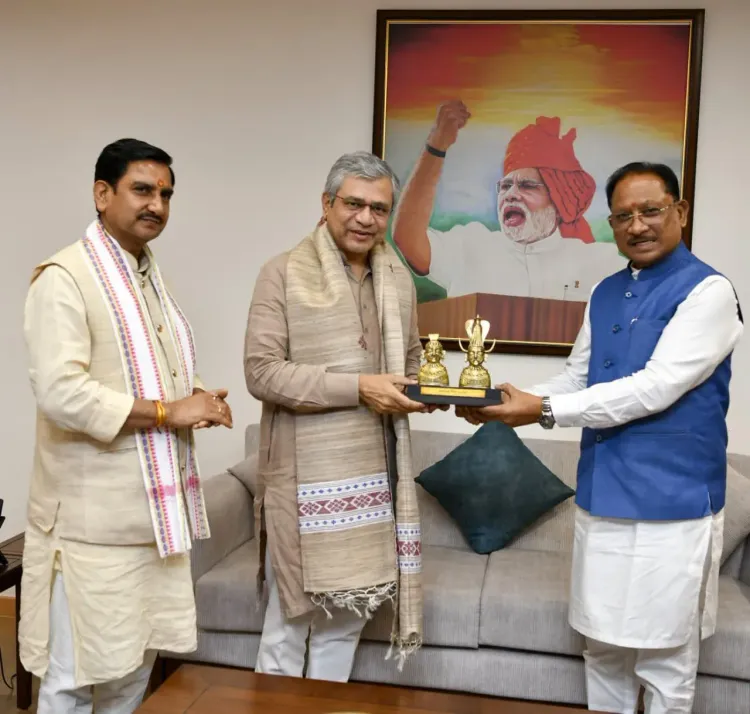
Chhattisgarh CM Vishnu Deo Sai met Union Railway Minister Ashwini Vaishnaw in New Delhi on July 30, 2026, pressing for four rail corridors — including the 295-km Katghora–Dongargarh joint-venture line and the long-pending Raoghat–Jagdalpur project — to connect the state's mineral-rich and tribal districts.
Key Takeaways
CM Vishnu Deo Sai held a meeting with Union Railway Minister Ashwini Vaishnaw in New Delhi on July 30, 2026 .
The Katghora–Dongargarh rail line (~ 295 km ) was proposed for development through a joint-venture mechanism between state and central governments.
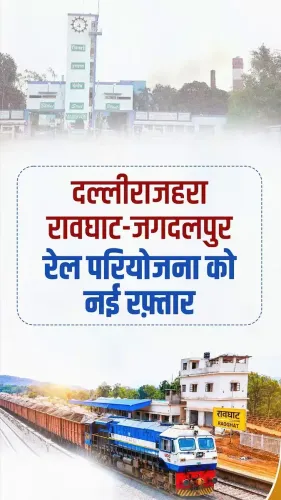
Early construction of the Raoghat–Jagdalpur line in Bastar — a long-pending project for mineral and tribal connectivity — was specifically raised.
Survey progress on the Kirandul–Kottagudem and Garchiroli–Bijapur–Kirandul (Bacheli) corridors was also reviewed.
All four corridors run through Chhattisgarh's mineral-rich and historically under-connected southern and forested districts.
Formal approvals and joint-venture agreements, if any, are expected to surface in upcoming railway budget cycles.
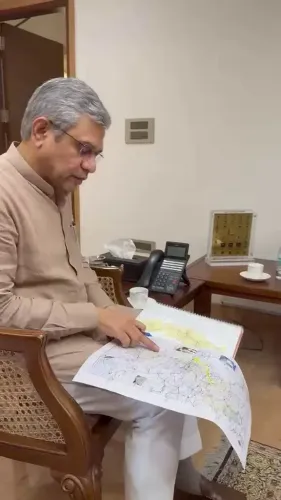
Four rail corridors, one high-stakes meeting. Chief Minister Vishnu Deo Sai travelled to New Delhi on Thursday, July 30, 2026, for a courtesy call on Union Railway Minister Ashwini Vaishnaw — and turned it into a focused push for rail projects that have kept Chhattisgarh's mineral heartland and tribal districts waiting for years.
Four corridors on the table
The centrepiece of the discussion was the Katghora–Dongargarh rail line, a proposed corridor of approximately 295 kilometres that the state wants developed through a joint-venture mechanism. That model — where state and central governments co-fund a special-purpose vehicle — has been used elsewhere in India to unlock projects stalled by financing disputes, and Sai's office signalled it as the preferred route forward here.
Also on the agenda: the long-pending Raoghat–Jagdalpur line in the Bastar region, with the CM pressing for early construction. The Kirandul–Kottagudem and Garchiroli–Bijapur–Kirandul (Bacheli) corridors — both in survey-stage — were reviewed for progress. Together, these four lines trace an arc through some of Chhattisgarh's most resource-rich and connectivity-starved terrain.
Why Bastar and the mineral belt keep coming up
Chhattisgarh sits atop significant deposits of iron ore, coal, and other minerals, yet rail access to its southern and forested districts has lagged for decades. The Raoghat–Jagdalpur proposal, conceived to support mineral evacuation from Bastar's mining belts, has been in planning cycles since the 2000s. Every year it misses a budget cycle, the economic case for the corridor — and the connectivity argument for its tribal communities — grows louder.
The joint-venture pitch for Katghora–Dongargarh reflects a pragmatic acknowledgement: waiting for full central funding alone has not moved these projects. Shared ownership changes the incentive structure for both governments.
What the state-centre meeting signals
CM Sai, in office since December 2023, has consistently framed infrastructure as central to the BJP government's agenda in Chhattisgarh. Minister Vaishnaw, who has overseen an aggressive national rail modernisation push since 2021, now holds the approvals that can move survey reports into sanctioned projects. The meeting puts both men on record as having discussed specific corridors — creating a reference point for accountability in upcoming railway budgets and bilateral reviews.
Whether formal agreements or survey approvals follow will determine if this meeting marks a turning point or another entry in a long log of pending proposals. The next railway budget cycle will be the real test.
Point of View
Which shifts the negotiating dynamic. For Vaishnaw, greenlighting even survey approvals in Chhattisgarh feeds into the broader national narrative of rail expansion into central and eastern India. The real measure of this meeting's weight will come when — or if — these corridors appear as sanctioned projects in the next Union Budget.
NationPress
14 Sept 2026
Frequently Asked Questions
What rail projects did Chhattisgarh CM discuss with the Railway Minister?
CM Vishnu Deo Sai discussed four corridors: the Katghora–Dongargarh line (~295 km, proposed as a joint venture), the Raoghat–Jagdalpur line in Bastar, and survey progress on the Kirandul–Kottagudem and Garchiroli–Bijapur–Kirandul (Bacheli) lines.
What is the Katghora–Dongargarh rail line?
It is a proposed approximately 295-kilometre rail corridor in Chhattisgarh that the state government wants developed through a joint-venture between the state and central governments to unlock funding and speed up execution.
Why has the Raoghat–Jagdalpur railway project been delayed?
The Raoghat–Jagdalpur line in the Bastar region has been in planning and survey stages since the 2000s, with delays attributed to funding disputes, difficult terrain, and the challenges of building through forested and tribal areas.
When did Vishnu Deo Sai become Chief Minister of Chhattisgarh?
Vishnu Deo Sai became Chief Minister of Chhattisgarh in December 2023, representing the BJP after the party's victory in the state assembly elections.
How does Chhattisgarh benefit from better rail connectivity?
Better rail connectivity would help evacuate minerals from Chhattisgarh's resource-rich districts, improve access for tribal communities in southern and forested areas, and support broader economic integration with the rest of India.