CM Sai Pushes for 295-km Katghora-Dongargarh Rail Line via JV
Synopsis
Chhattisgarh CM Vishnu Deo Sai and Union Railway Minister Ashwini Vaishnaw agreed on 30 July 2026 to develop the 295-km Katghora-Dongargarh railway line as a central-state joint venture, promising to boost mineral freight, agriculture, tourism and tribal connectivity across five districts.
Key Takeaways
Katghora-Dongargarh new railway line spanning approximately 295 kilometres will be developed as a Joint Venture between the Railway Ministry and the Chhattisgarh government.
The corridor passes through Katghora, Kartala, Mungeli, Kawardha and Khairagarh before reaching Dongargarh .
The project is intended to benefit industry, trade, agriculture, tourism, mineral transport and tribal area development in Chhattisgarh.
The JV model for rail development was formalised by Indian Railways around 2015 to co-fund greenfield lines with state governments.
Formal steps — including JV agreement, land acquisition and budget allocations — are yet to be completed.
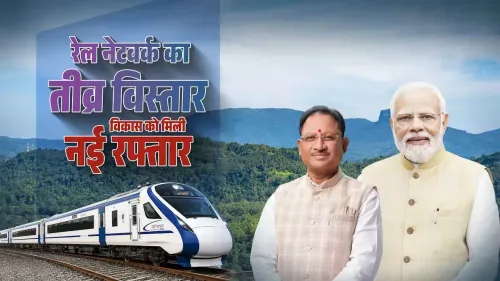
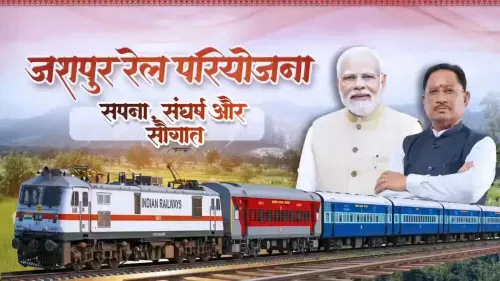
CM Sai credited PM Narendra Modi and Railway Minister Ashwini Vaishnaw under the 'double-engine government' framework for enabling the progress.
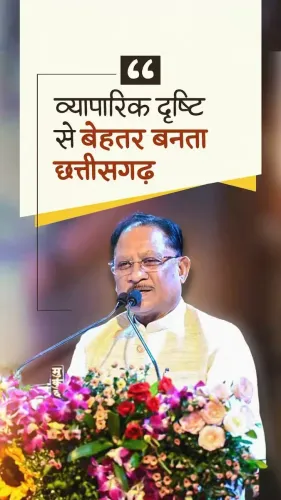
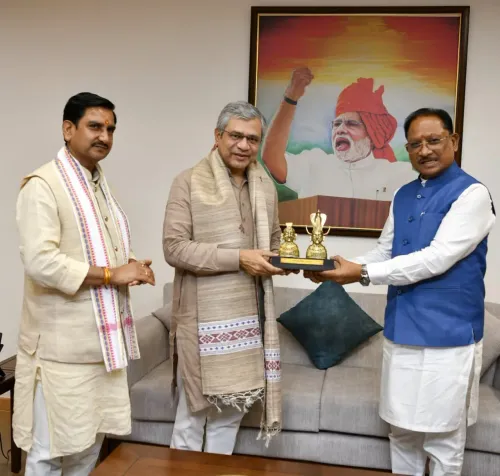
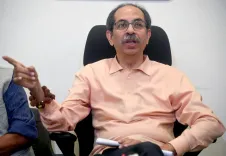
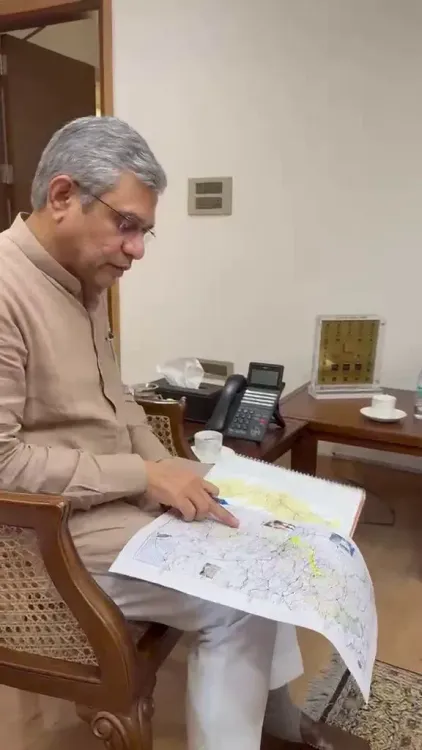
A 295-kilometre railway corridor cutting through the mineral heartland of Chhattisgarh moved closer to reality on Thursday, 30 July 2026, when Chhattisgarh Chief Minister Vishnu Deo Sai met Union Railway Minister Ashwini Vaishnaw in New Delhi and secured agreement on a joint-venture model to develop the long-pending Katghora-Dongargarh new railway line project.
The Route: Five Districts, One Corridor
The proposed line will run from Katghora through Kartala, Mungeli, Kawardha and Khairagarh before terminating at Dongargarh — threading together districts that are today either poorly connected or entirely off the rail map. CM Sai described the discussions as 'vistar evam sakaratmak' (detailed and positive), with both sides agreeing to develop the project through a Joint Venture between the Railway Ministry and the Chhattisgarh government.
The JV model is not new to Indian Railways — it was formalised as a co-development mechanism around 2015 to unlock state funding and speed up projects that the national budget alone could not absorb. What makes this corridor significant is the density of competing interests it must serve simultaneously: coal and mineral freight from the Korba belt near Katghora, agricultural produce from Mungeli and Kawardha, and tribal hinterlands that have historically lacked modern transport infrastructure.
What Connectivity Unlocks in Chhattisgarh's Interior
Chhattisgarh sits on some of India's richest mineral deposits — coal, iron ore, bauxite, limestone — yet large swathes of its interior remain dependent on road transport, which inflates logistics costs and limits industrial scale. A direct rail link through this corridor would compress freight timelines for the mining sector while simultaneously opening up tourism routes toward Dongargarh, home to the Maa Bamleshwari temple, one of the state's most visited pilgrimage sites.
For tribal communities across Kawardha and Khairagarh districts, the line represents something more immediate: access to markets, hospitals, and district headquarters that currently require hours by road. CM Sai framed the project as 'viksit Chhattisgarh ke nirmaan ki disha mein ek mahatvapurn mil ka patthar' — 'an important milestone in building a developed Chhattisgarh.'
Double-Engine Politics Behind the Push
The announcement lands squarely within the BJP's 'double-engine government' narrative — the argument that states and the Centre run by the same party deliver faster infrastructure outcomes. Prime Minister Narendra Modi was specifically credited by CM Sai for 'visionary leadership,' and Railway Minister Vaishnaw for 'continuous support.' The framing is deliberate: pending rail projects in Chhattisgarh have accumulated over years, and attributing forward movement to coordinated BJP governance ahead of future electoral cycles carries clear political weight.
What remains to be formalised is the harder work — the JV agreement itself, land acquisition across five districts, budget allocations in Railway and state budgets, and environmental clearances. The 295-km length of the corridor makes this one of the more ambitious greenfield rail proposals in central India's recent pipeline.
The tracks are not yet laid. But the political will, at least, is now on record — and in a state where rail connectivity has lagged its mineral wealth for decades, that is where every project begins.
Point of View
The political optics are as important as the project itself: a sitting CM returning from Delhi with a signed-off framework signals executive momentum ahead of future assembly cycles. The JV model, however, has historically been slow to translate into track-laying, and the real test will be whether land acquisition and budget commitments follow at pace. If they do, this corridor could become a genuine case study in how mineral-belt states can leverage rail policy for inclusive growth.
NationPress
14 Sept 2026
Frequently Asked Questions
What is the Katghora-Dongargarh railway line project?
It is a proposed new greenfield railway line of approximately 295 kilometres in Chhattisgarh, running from Katghora through Kartala, Mungeli, Kawardha and Khairagarh to Dongargarh , aimed at boosting regional connectivity for industry, mining, agriculture and tribal communities.
What is a railway joint venture between the Centre and a state?
A railway joint venture is a co-development model where the Railway Ministry and a state government share equity, funding and responsibilities to build a new rail line. Indian Railways formalised this model around 2015 to accelerate projects that the national budget alone cannot fund.
Why did CM Vishnu Deo Sai meet Railway Minister Ashwini Vaishnaw?
Chhattisgarh Chief Minister Vishnu Deo Sai met Union Railway Minister Ashwini Vaishnaw in New Delhi on 30 July 2026 to discuss expansion of railway infrastructure in Chhattisgarh and to advance agreement on the Katghora-Dongargarh railway line through a joint venture.
Which districts will the Katghora-Dongargarh railway line pass through?
The line will pass through Katghora, Kartala, Mungeli, Kawardha and Khairagarh before reaching its terminus at Dongargarh in Chhattisgarh.
What is 'double-engine government' in the context of this rail project?
'Double-engine government' is the BJP's term for coordinated governance when the same party controls both the central government and a state government , arguing this alignment fast-tracks infrastructure approvals and funding. CM Sai invoked this framing to credit both PM Modi and Railway Minister Vaishnaw for enabling the Katghora-Dongargarh agreement.