How Did Rani Velu Nachiyar’s Courage and Leadership Inspire Generations?
Click to start listening
Synopsis
On January 3, we honor the remarkable Rani Velu Nachiyar, a pioneering queen whose extraordinary bravery and leadership against British colonial rule set a precedent for future generations. Leaders like Rahul Gandhi and PM Modi reflect on her legacy, emphasizing her role in India’s freedom struggle. Discover why her story remains a beacon of inspiration today.
Key Takeaways
- Rani Velu Nachiyar was a pioneering female leader in India's freedom struggle.
- She was the first Indian queen to challenge British colonial rule.
- Her leadership serves as an inspiration for future generations.
- She showcased exceptional military and diplomatic skills.
- Her legacy highlights the role of women in resistance movements.
New Delhi, Jan 3 (NationPress) Rahul Gandhi, the Leader of the Opposition in the Lok Sabha, honored Rani Velu Nachiyar from Tamil Nadu on her birth anniversary, emphasizing that her courage, leadership, and self-sacrifice continue to motivate future generations.
In a post on social media platform X, Rahul Gandhi expressed, “Humble tributes to Rani Velu Nachiyar of Tamil Nadu on her birth anniversary.”
He remarked, “She fought valiantly against the British and was one of the first Indian queens to challenge British colonial rule. Her courage, leadership, and sacrifice continue to inspire generations.”
Congress MP Manickam Tagore also commemorated the iconic queen on X, recalling her status as one of India’s earliest freedom fighters and the first Indian queen to engage in battle against British colonial authority.
“On Rani Velu Nachiyar's birth anniversary, we honor one of India’s earliest freedom fighters and the first queen to oppose British colonialism,” Tagore stated.
“Born in 1730, Rani Velu Nachiyar of Sivaganga refused to yield to the East India Company—long before the 1857 uprising and earlier than organized national resistance,” he elaborated.
Tagore further highlighted that following her exile, Rani Velu Nachiyar regained her strength through strategic alliances and military aid from Hyder Ali, the King of Mysore, famously known as the ‘Napoleon of South India’, exhibiting remarkable diplomatic and political insight.
“Through meticulous planning, training, and coordinated resistance, Rani Velu Nachiyar reclaimed Sivaganga and established an independent rule,” he asserted.
“Her leadership serves as a powerful reminder that women were not merely participants but pioneers in India’s early anti-colonial movements. On her birth anniversary, we celebrate Rani Velu Nachiyar—a symbol of courage, strategy, and resistance whose legacy merits national acknowledgment,” he added.
Earlier, Prime Minister Narendra Modi also honored Rani Velu Nachiyar on her birth anniversary, recalling her as one of India’s most courageous and visionary rulers whose courage, self-sacrifice, and leadership continue to inspire.
On X, the Prime Minister stated, “Tributes to Rani Velu Nachiyar on her birth anniversary. She is celebrated as one of India’s most valiant warriors who exemplified courage and tactical brilliance.”
He further remarked, “She rose against colonial oppression and asserted the right of Indians to self-govern. Her dedication to good governance and cultural pride is commendable. Her sacrifice and visionary leadership will perpetually inspire generations.”
Union Minister Dharmendra Pradhan also took to social media 'X', stating, “Tribute to the courageous Rani Velu Nachiyar on her Jayanti. A pioneer, scholar-warrior, and an emblem of women's leadership, she challenged British rule and fought fiercely to reclaim independence. Her military innovation, valor, and unwavering devotion to the motherland will remain an everlasting inspiration.”
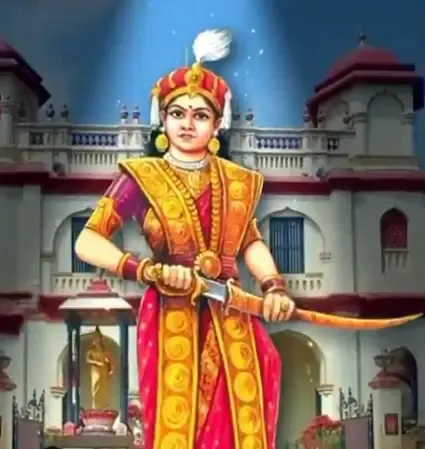
Rani Velu Nachiyar (1730–1796) was a fearless queen of Sivaganga in what is now Tamil Nadu, recognized as the first Indian monarch to engage in an organized armed struggle against the British East India Company. Her unparalleled bravery and defiance earned her the esteemed title of 'Veeramangai (Brave Woman)'.
Born on January 3, 1730, in Ramanathapuram, she was the sole offspring of Raja Chellamuthu Vijayaragunatha Sethupathy of the Ramnad kingdom and his wife, Rani Sakandhimuthal. Lacking a male heir, Velu Nachiyar was groomed as a prince, receiving rigorous training in warfare and administration. She learned to handle various weapons, practiced horse riding, archery, and traditional martial arts like Silambam and Valari.
In addition to her martial abilities, Velu Nachiyar was an esteemed scholar. She was fluent in multiple languages, including Tamil, English, French, and Urdu, which later facilitated her in forming diplomatic alliances and comprehending the strategies of colonial entities.
Point of View
Rani Velu Nachiyar's legacy serves as a crucial reminder of the role women played in India's fight for independence. The recent tributes by prominent leaders highlight the enduring influence of her courage and leadership. As we reflect on her contributions, it is vital to recognize the lessons in resilience and strength that continue to resonate with us today.
NationPress
08/01/2026
Frequently Asked Questions
Who was Rani Velu Nachiyar?
Rani Velu Nachiyar (1730–1796) was a pioneering queen of Sivaganga in Tamil Nadu and the first Indian ruler to wage an organized armed struggle against the British East India Company.
What is celebrated on her birth anniversary?
Her birth anniversary, celebrated on January 3, honors her courage, leadership, and contributions to India's freedom struggle.
Why is Rani Velu Nachiyar significant?
She is significant for being one of the earliest female freedom fighters in India, showcasing exceptional military and diplomatic skills against British colonial rule.
What did Rahul Gandhi say about her?
Rahul Gandhi paid tribute to her on social media, emphasizing her courage, leadership, and sacrifice that continue to inspire generations.
What role did she play in the fight against British rule?
Rani Velu Nachiyar fought fiercely against the British, forming alliances and leading military campaigns to reclaim her kingdom.