RBI cancels Sarvodaya Co-operative Bank licence with immediate effect
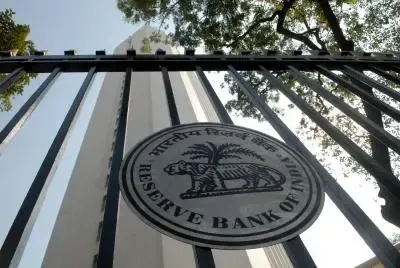
Synopsis
The RBI has shut down Sarvodaya Co-operative Bank Ltd. in Mumbai with immediate effect, citing capital failure and regulatory non-compliance. With 98.36% of depositors covered by DICGC's ₹5 lakh insurance ceiling and ₹26.72 crore already paid out, the human impact is partially cushioned — but the closure adds to a growing list of co-operative bank failures under RBI's tightening oversight.
Key Takeaways
The RBI cancelled the licence of Sarvodaya Co-operative Bank Ltd., Mumbai on 12 May 2026 with immediate effect.
The bank cited for lacking adequate capital and earning prospects, and for failing to comply with the Banking Regulation Act .
Every depositor is entitled to up to ₹5 lakh in insurance from the DICGC upon liquidation.
About 98.36% of depositors are eligible to receive the full amount of their deposits from DICGC.
As of 31 March 2026 , DICGC had already paid ₹26.72 crore to willing depositors.
The Registrar of Cooperative Societies, Maharashtra has been asked to appoint a liquidator and initiate winding-up proceedings.
The Reserve Bank of India (RBI) on 12 May 2026 cancelled the banking licence of Sarvodaya Co-operative Bank Ltd., Mumbai, with immediate effect, citing inadequate capital and poor earning prospects. The bank is now prohibited from conducting any banking business, including accepting or repaying deposits.
What the RBI Order Means
With the licence cancellation taking effect from the close of business on 12 May 2026, Sarvodaya Co-operative Bank ceases all banking operations immediately. The RBI has also requested the Commissioner for Cooperation and Registrar of Cooperative Societies, Maharashtra, to issue a winding-up order and appoint a liquidator for the bank.
The central bank stated that the bank had failed to comply with the Banking Regulation Act, and that its continuance would be prejudicial to the interests of depositors. In its assessment, the bank, given its present financial position, would be unable to repay its depositors in full, making continued operations against public interest.
Depositor Protection Under DICGC
On liquidation, every depositor is entitled to receive a deposit insurance claim of up to ₹5 lakh from the Deposit Insurance and Credit Guarantee Corporation (DICGC), subject to the provisions of the DICGC Act. According to data submitted by the bank, approximately 98.36% of depositors were entitled to receive the full amount of their deposits from DICGC as on the date of imposition of all-inclusive directions.
As of 31 March 2026, the DICGC had already paid ₹26.72 crore of the total insured deposits under the DICGC Act, based on willingness received from the concerned depositors of the bank.
Why the Licence Was Cancelled
The RBI's action follows a finding that Sarvodaya Co-operative Bank lacked adequate capital and viable earning prospects — two fundamental requirements for a licensed bank to continue operations. This is consistent with the RBI's broader regulatory stance on financially stressed urban co-operative banks, several of which have faced action over the past few years. Notably, the RBI has ramped up scrutiny of the co-operative banking sector following high-profile failures such as Punjab and Maharashtra Co-operative (PMC) Bank in 2019.
What Happens Next
Once a liquidator is appointed by the state authorities in Maharashtra, the winding-up process will formally begin. Depositors who have not yet submitted their willingness to the DICGC are advised to do so to expedite their insurance claims. The bank is barred from accepting any fresh deposits or making any repayments with immediate effect.
Point of View
A sector that has historically operated with weaker oversight than commercial banks. While the DICGC cover cushions most depositors this time, the ₹5 lakh ceiling can be inadequate for small businesses and self-help groups that park larger sums in these institutions. The real question is whether the RBI's post-PMC Bank reforms — including bringing co-operative banks under tighter prudential norms — are moving fast enough to prevent further failures, or whether more closures are in the pipeline.
NationPress
24 Sept 2026
Frequently Asked Questions
Why did the RBI cancel Sarvodaya Co-operative Bank's licence?
The RBI cancelled the licence because the bank lacked adequate capital and earning prospects, and had failed to comply with the Banking Regulation Act. The central bank determined that allowing it to continue operations would be prejudicial to depositors and against public interest.
What happens to depositors of Sarvodaya Co-operative Bank?
Each depositor is entitled to receive up to ₹5 lakh in deposit insurance from the DICGC upon liquidation. According to bank data, about 98.36% of depositors were eligible to receive the full amount of their deposits, and ₹26.72 crore had already been paid out as of 31 March 2026.
What is the DICGC and how does it protect depositors?
The Deposit Insurance and Credit Guarantee Corporation (DICGC) is an RBI subsidiary that insures bank deposits up to ₹5 lakh per depositor per bank. In the event of a bank's liquidation, depositors can claim this insured amount from the DICGC.
Can Sarvodaya Co-operative Bank continue any operations?
No. With the cancellation of its licence, Sarvodaya Co-operative Bank is prohibited from conducting any banking business, including accepting fresh deposits or repaying existing ones, with immediate effect from 12 May 2026.
What is the next step in the winding-up process?
The RBI has requested the Commissioner for Cooperation and Registrar of Cooperative Societies, Maharashtra to issue a winding-up order and appoint a liquidator. Depositors who have not yet submitted their willingness to DICGC should do so to receive their insured amounts.