RBI cancels Shree Mahalaxmi Urban Co-op Bank licence in Karnataka
Synopsis
The RBI has shut down Shree Mahalaxmi Urban Co-operative Credit Bank in Gokak, Karnataka, effective 18 June 2026 — citing capital failure and an inability to repay depositors. With 97.9% of depositors set to recover their insured funds via DICGC, the action is a stark reminder of the chronic fragility running through India's urban cooperative banking sector.
Key Takeaways
The RBI cancelled the licence of Shree Mahalaxmi Urban Co-operative Credit Bank Ltd. , Gokak, Karnataka , effective 18 June 2026 .
The cancellation was made under Section 22 read with Section 56 of the Banking Regulation Act, 1949 .
The bank lacked adequate capital and could not repay existing depositors in full.
The Registrar of Co-operative Societies, Karnataka has been asked to initiate winding-up proceedings and appoint a liquidator.
Approximately 97.9 per cent of depositors are expected to receive their full insured deposits through the DICGC .
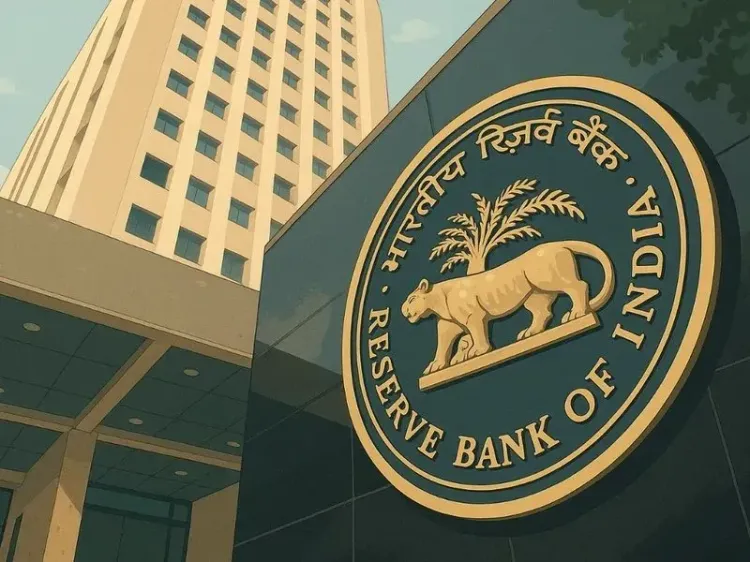
The Reserve Bank of India (RBI) on 18 June 2026 cancelled the banking licence of Shree Mahalaxmi Urban Co-operative Credit Bank Ltd., headquartered in Gokak, Karnataka, citing deteriorating financial health, insufficient capital, and poor earning prospects. The bank ceases all banking operations with effect from the close of business on 18 June 2026.
Why the RBI Pulled the Licence
The central bank invoked Section 22 read with Section 56 of the Banking Regulation Act, 1949 to cancel the licence. The RBI stated that the bank does not hold adequate capital and fails to comply with certain provisions of the Act. Critically, in its present financial condition, the lender would be unable to repay its existing depositors in full.
The regulator further noted that permitting the bank to continue operations would be 'prejudicial to the interests of depositors' and could undermine public confidence in the cooperative banking sector more broadly.
Immediate Restrictions on the Bank
Following the licence cancellation, Shree Mahalaxmi Urban Co-operative Credit Bank is prohibited from carrying out any banking activity with immediate effect. This includes accepting fresh deposits and repaying existing deposits, along with all other standard banking operations.
Winding-Up Process Initiated
The RBI has formally requested the Registrar of Co-operative Societies, Karnataka, to issue a winding-up order and appoint a liquidator for the bank. This sets in motion the formal dissolution process under cooperative society regulations.
Depositor Protection Under DICGC
The RBI has assured depositors that they are covered under the deposit insurance framework administered by the Deposit Insurance and Credit Guarantee Corporation (DICGC). According to the regulator, approximately 97.9 per cent of the bank's depositors are expected to receive the full insured amount once the liquidation process commences.
This is the latest in a series of cooperative bank licence cancellations by the RBI in recent years, reflecting the regulator's tightening scrutiny of the urban cooperative banking segment, which has historically been prone to governance lapses and capital inadequacy. The action underscores the central bank's stated priority of protecting depositor interests even as it winds down financially unviable institutions.
Point of View
A segment that has long operated with weaker oversight than scheduled commercial banks. The 97.9% DICGC coverage figure is reassuring on paper, but the process of liquidation is rarely swift, and depositors — typically small savers and local businesses — can face months of uncertainty before funds are released. The deeper question is structural: India has hundreds of urban cooperative banks operating with thin capital buffers and limited professional governance. The RBI's licence cancellations address symptoms; a systemic overhaul of cooperative banking regulation remains the unfinished task.
NationPress
20 Sept 2026
Frequently Asked Questions
Why did the RBI cancel the licence of Shree Mahalaxmi Urban Co-operative Credit Bank?
The RBI cancelled the licence because the bank lacked sufficient capital, failed to comply with provisions of the Banking Regulation Act, 1949, and was unable to repay its existing depositors in full. Allowing it to continue operations would have been prejudicial to depositor interests.
When does the licence cancellation take effect?
The cancellation took effect from the close of business on 18 June 2026 . From that date, the bank is prohibited from accepting fresh deposits, repaying existing deposits, or carrying out any other banking activity.
Will depositors get their money back?
Yes, depositors are protected under the deposit insurance scheme administered by the Deposit Insurance and Credit Guarantee Corporation (DICGC) . The RBI stated that approximately 97.9 per cent of depositors are expected to receive the full amount of their insured deposits once the liquidation process begins.
What happens to the bank now?
The RBI has requested the Registrar of Co-operative Societies, Karnataka to issue a winding-up order and appoint a liquidator. The bank will be formally dissolved through this process under cooperative society regulations.
Under which law was the licence cancelled?
The licence was cancelled under Section 22 read with Section 56 of the Banking Regulation Act, 1949 , which governs the licensing and regulation of cooperative banks in India.