CM Rekha Gupta Hails Youth Spirit at Navratri Dandiya Night
Synopsis
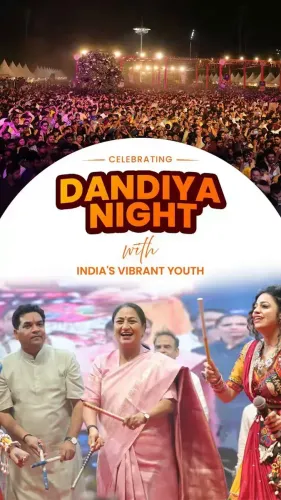
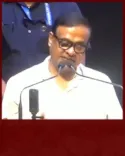
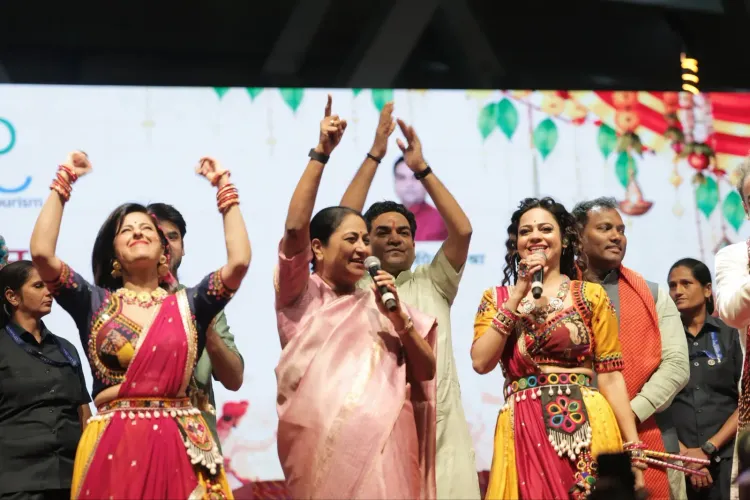
Delhi Chief Minister Rekha Gupta marked Navratri's first night by addressing thousands of youth at Jawaharlal Nehru Stadium, framing their dandiya celebrations as proof that modern India can honour its traditions while driving innovation — a pitch she tied directly to PM Modi's Viksit Bharat vision.
Key Takeaways
Jawaharlal Nehru Stadium hosted a mass Navratri dandiya event on the first night, 11 October 2026 , drawing thousands of young Delhiites.
Delhi CM Rekha Gupta addressed attendees and posted on X, calling the gathering 'a wonderful confluence of devotion, power, and enthusiasm.' She linked the festival spirit to India's startup and innovation ambitions, arguing youth can be both culturally rooted and globally competitive.
Gupta explicitly connected the event to PM Narendra Modi's 'New India' and ' Viksit Bharat ' vision — 'where Sanatan tradition and Science coexist.' The choice of a major civic sporting venue for a cultural event signals deliberate use of marquee infrastructure for mass youth engagement.
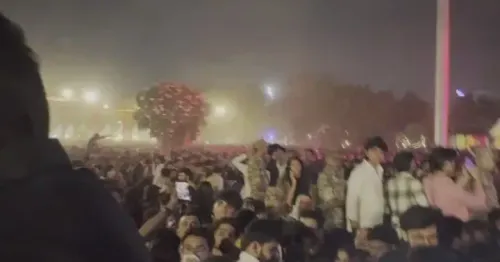
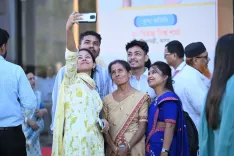
Thousands of young Delhiites packed Jawaharlal Nehru Stadium on the first night of Navratri 2026, turning one of the capital's grandest sports arenas into a sea of colour, devotion, and dandiya beats — and Delhi Chief Minister Rekha Gupta says they delivered a message far bigger than the celebration itself.
Posting late on Sunday, 11 October, CM Gupta addressed the crowd directly: 'Navratri ka pratham din aur Jawaharlal Nehru Stadium mein hazaron yuvaon ki bhakti, shakti aur utsaah ka adbhut sangam!' — 'The first day of Navratri and a wonderful confluence of devotion, power, and enthusiasm of thousands of young people at Jawaharlal Nehru Stadium!' Her message, laced with references to startups, innovation, and research, framed a festival night as a window into India's emerging identity.
Dandiya sticks in one hand, startup dreams in the other
Gupta's core argument was pointed: the same youth dancing to dandiya rhythms tonight will, she said, 'show the world India's strength in the fields of startup, innovation and research' tomorrow. The framing deliberately stitches cultural pride to economic ambition — 'Jahan Sanatan bhi hai aur Science bhi. Sanskriti bhi hai aur Technology bhi' ('Where there is the Sanatan tradition as well as Science. Culture as well as Technology'). It is a duality Prime Minister Narendra Modi's 'Viksit Bharat' — Developed India — vision has consistently championed.
Gupta tagged the Prime Minister directly, calling the evening's scenes 'the identity of honourable Prime Minister Shri Modi's New India.' The invocation placed a local festival moment inside a national political narrative with deliberate precision.
JN Stadium as symbol — sport, culture, and the capital's youth
Jawaharlal Nehru Stadium in south Delhi, built as an athletics venue and most famously the centrepiece of the 2010 Commonwealth Games, rarely hosts events of pure cultural character at this scale. Its choice as the Navratri venue signals an intent to use marquee civic infrastructure for mass youth engagement — a soft-power statement about who the city's spaces belong to and what they can hold.
The event drew what organisers and the Chief Minister described as 'thousands' of participants on opening night alone, with eight more days of Navratri still ahead.
Youth, heritage, and the Viksit Bharat pitch
Gupta closed her post with a broader assertion: 'Our youth power, while taking pride in its heritage, is shaping the future of Viksit Bharat.' The phrasing mirrors a recurring BJP electoral and governance pitch — that cultural rootedness and technological progress are not in tension but mutually reinforcing. Navratri, one of Hinduism's most widely observed festivals, provides a high-visibility, emotionally resonant platform to land that message. Jai Mata Di — 'Victory to the Mother Goddess' — is the traditional Navratri salutation with which Gupta signed off.
Nine nights of Navratri means nine more opportunities for the imagery of a united, modern, tradition-proud Delhi youth to circulate. The Chief Minister's message makes clear she intends to make the most of every one of them.
Point of View
She simultaneously performs Delhi governance and national ideological alignment. The framing of youth as carriers of both heritage and innovation is a recurring electoral asset for the BJP, and Navratri's nine-night run gives the party a sustained, emotionally resonant media cycle heading into the winter political calendar.
NationPress
12 Oct 2026
Frequently Asked Questions
What happened at Jawaharlal Nehru Stadium on Navratri 2026?
Thousands of young Delhiites gathered at Jawaharlal Nehru Stadium on 11 October 2026 — the first night of Navratri — for a large dandiya celebration, which Delhi CM Rekha Gupta attended and addressed.
What did Rekha Gupta say about India's youth at the Navratri event?
Gupta said India's youth proved they are both modern and devoted to their traditions, and that the same young people dancing at Navratri will drive India's startup, innovation, and research future.
How did Rekha Gupta connect Navratri to Viksit Bharat?
She described the youth gathering as a reflection of PM Modi's 'New India' — a vision where Sanatan tradition and science, culture and technology, coexist — directly linking the festival to the Viksit Bharat national development goal.
Why was Jawaharlal Nehru Stadium chosen for a Navratri event?
While not officially stated, using JN Stadium — one of Delhi's most prominent civic venues — signals an intent to hold large-scale cultural celebrations at marquee infrastructure, amplifying the event's visibility and reach among the city's youth.
When does Navratri 2026 begin and end?
Navratri 2026 began on 11 October , with the first night's event held at JN Stadium. The festival traditionally runs for nine nights, concluding on Navami.