Exploring Religious Freedom in South Asia: India's Unique Position
Synopsis
This article delves into the complex landscape of religious freedom across South Asia, highlighting the stark contrasts between countries and India's commendable efforts to protect minorities. With a focus on systemic challenges, demographic shifts, and legal frameworks, it offers insights into the ongoing struggles for religious equality in the region.
Key Takeaways
Religious freedom is a fundamental human right essential for societal peace.
Despite constitutional guarantees, many South Asian countries struggle with systemic discrimination against minorities.
India's legal framework offers more protections compared to its neighbors.
Demographic shifts are alarming in countries like Pakistan and Bangladesh.
Active civil society engagement is vital for safeguarding religious rights .
New Delhi: Religious freedom and belief rank among the core human rights, preserving human dignity and allowing individuals to practice their faith freely while encouraging peaceful coexistence among diverse communities. This principle holds significant weight — and is often hotly debated — in South Asia, a region renowned for its ancient religions and a remarkable variety of beliefs, including Hinduism, Buddhism, Islam, Christianity, and Sikhism. Although most South Asian countries appear to enshrine religious freedom in their constitutions, the reality for many minority groups presents a more disturbing scenario shaped by political dynamics, historical grievances, and societal tensions.
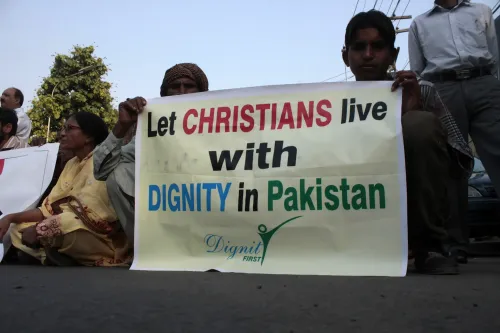
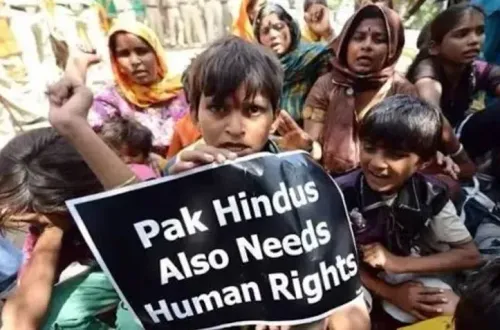
In Pakistan, a person’s religious identity often dictates their safety and even citizenship. The demographic changes highlight the scale of this issue. At independence in 1947, non-Muslims constituted about 15–20% of Pakistan's population; by 1981, this had dwindled to roughly 3%, and today, Hindus, Christians, and Sikhs together represent less than 4%. Various systemic pressures contribute to this decline. Minority groups live under the ceaseless threat of accusations of blasphemy, which can instigate mob violence before any judicial intervention. Hindu and Sikh communities have long faced challenges with the absence or delay in recognizing laws pertaining to personal status, marriage, and inheritance, leaving many families in legal limbo.
Particularly alarming are reports of the abduction and forced conversion of young Hindu and Christian girls in Sindh and Punjab — incidents that activists claim are becoming disturbingly frequent. Courts have often accepted conversion certificates as consent proof, even in cases involving minors. Moreover, the Ahmadiyya community faces specific legal restrictions that prevent them from labeling their places of worship as mosques or using Islamic terminology. Political engagement is also curtailed by constitutional stipulations mandating that the President, Prime Minister, and provincial Chief Ministers must be Muslim, effectively excluding minorities from the highest offices.
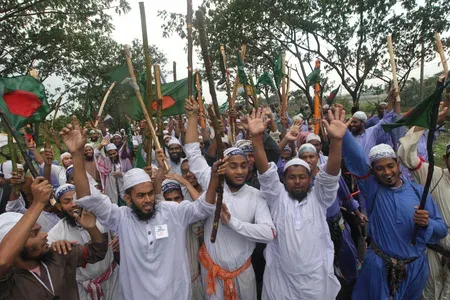
Bangladesh, often recognized for its economic advancements, similarly reveals a disconcerting trend of diminishing minority populations. In 1974, Hindus represented around 13.5% of the populace; this figure is projected to fall to about 8% by 2024. Scholars and advocates point to the enduring impact of the Vested Property Act, which historically allowed the state to seize property from those categorized as “enemies,” disproportionately affecting Hindus. Economist Abul Barkat has warned that if current trends persist, the Hindu population could decline drastically in the decades ahead.
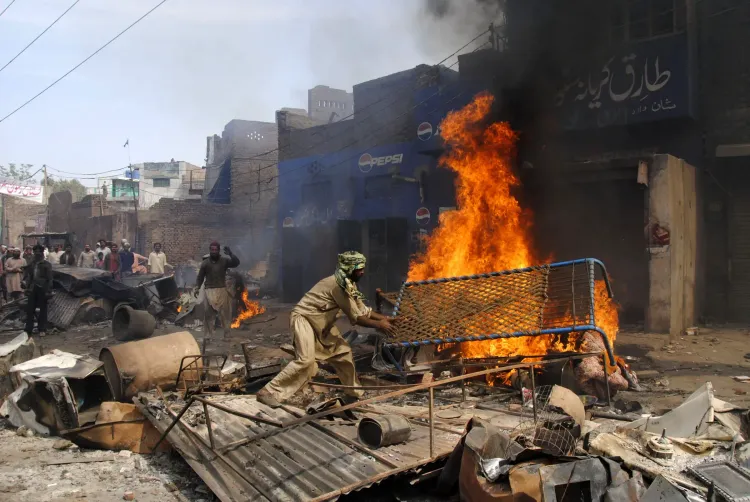
Minorities in Bangladesh also contend with underrepresentation in critical state institutions such as the military and bureaucracies. Instances of communal violence underscore this precariousness. Following political turmoil in August 2024, rights organizations documented a spike in assaults on religious minorities. The Bangladesh Hindu Buddhist Christian Unity Council reported over 2,000 incidents of violence within just two weeks, including assaults on numerous temples and several fatalities. These events accentuate the vulnerability of minority communities during political upheaval.
Sri Lanka illustrates another facet of the region's religious and ethnic strife. Although the country has made progress since the conclusion of its prolonged civil war, minority groups — especially Tamils, who are predominantly Hindu or Christian — continue to experience marginalization. Buddhists make up about 70% of the population, and constitutional and political frameworks often highlight the supremacy of Buddhism. In certain regions of the North and East, Tamil communities have alleged land appropriation under the guise of safeguarding Buddhist cultural heritage. Despite post-war reconciliation initiatives, minority representation in institutions like the military and judiciary remains limited, perpetuating past grievances.
Nepal presents yet another significant challenge. The nation's 2015 Constitution designates Nepal as a secular state, yet it simultaneously prohibits religious conversion. Article 26(3) forbids converting individuals from one faith to another, a provision increasingly enforced through criminal prosecutions. This has cultivated a legal environment that restricts religious outreach and missionary efforts. Cases such as the arrest of Christian counselors in Charikot in 2016 for distributing religious materials, along with a 2024 Supreme Court decision affirming the conviction of Pastor Keshab Raj Acharya, exemplify how anti-conversion laws can inhibit religious expression.
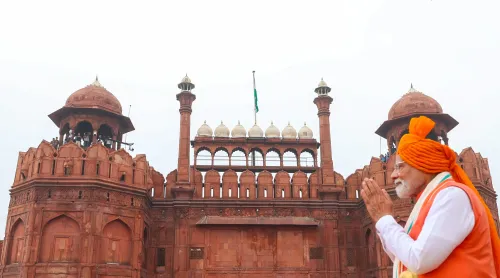
In contrast, India's approach to religious freedom is commendable in various ways. The nation’s Constitution guarantees religious freedom and envisions a secular state that treats all faiths equally. India's social landscape encompasses significant communities of Hindus, Muslims, Christians, Sikhs, Buddhists, and others coexisting harmoniously. Compared to countries where religion explicitly influences governance, India's legal framework offers broader protections and institutional support for pluralism. In January 2024, the Supreme Court reversed the Gujarat government's decision to grant remission to 11 convicted individuals in the long-standing Bilkis Bano case, demonstrating the judiciary's commitment to rectify executive decisions that compromise justice for victims of communal violence. The judiciary again showcased its protective role in April 2024 by delaying a lower court ruling that invalidated the Uttar Pradesh Board of Madarsa Education Act, 2004, ensuring that thousands of students in madrasas retained recognized educational opportunities.
Institutional safeguards for minorities extend beyond the judiciary. Public policy initiatives have also aimed to tackle demographic or social vulnerabilities within specific communities. A notable instance is the Jiyo Parsi Scheme, a central government initiative designed to counter the population decline among India's Zoroastrian community. Between 2020 and 2025, the program allocated over Rs 17 crore to support fertility treatments, childcare, and community awareness initiatives for Parsis. Although small in scale, it exemplifies a rare case of direct state intervention to maintain the continuity of a small religious minority.
However, India has not been immune to rising religious tensions in recent years. Discussions surrounding identity, citizenship, and communal violence have raised alarms among observers both domestically and internationally. Nevertheless, India's extensive experience in managing religious diversity — through constitutional protections, democratic structures, and civil society activism — provides valuable insights for the region.
The experiences of South Asian nations collectively reveal a disturbing trend: despite constitutional assurances and decades of autonomy, violence and discrimination against religious minorities persist. Frequently, accountability is elusive. Investigations lag, wrongdoers evade consequences, and victims seldom receive justice or reparations. This culture of impunity perpetuates cycles of violence and undermines public faith in governmental institutions.
For South Asia to progress toward enduring stability, safeguarding religious freedom must evolve from a mere constitutional goal to a tangible reality.
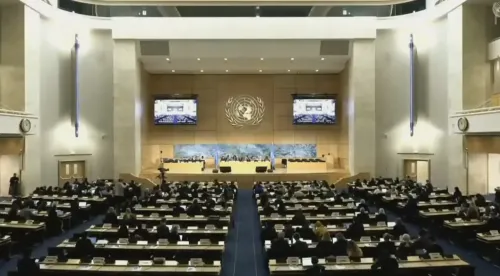
(The author possesses over thirty years of experience in community development, public policy, human rights, and international development, ranging from grassroots initiatives to the United Nations. He actively engages in discussions at the UN Human Rights Council regarding issues like religious freedom, gender-based violence, and the right to development. The views expressed are personal.)
Point of View
It is vital to highlight the ongoing struggles for religious freedom in South Asia. While many nations profess constitutional guarantees, the lived experiences of minorities often tell a different story. India's framework, though not without challenges, provides a contrasting narrative of hope and protection amidst regional tensions.
NationPress
25 Sept 2026
Frequently Asked Questions
What is the current state of religious freedom in South Asia?
Religious freedom in South Asia is precarious, with significant challenges for minority communities despite constitutional assurances. Countries like Pakistan and Bangladesh face alarming demographic declines in their minority populations, while India offers a more protective framework.
How does India's approach to religious freedom differ from its neighbors?
India's Constitution guarantees religious freedom and envisions a secular state, providing broader protections for minorities compared to its neighbors, where political and social pressures often impede religious practices.
What are some specific challenges faced by minorities in South Asia?
Minorities in South Asia confront threats of violence, legal discrimination, underrepresentation in state institutions, and systemic challenges such as anti-conversion laws and property seizures.
How can religious freedom be better protected in South Asia?
To enhance religious freedom, greater accountability for violence against minorities, effective legal protections, and inclusive policies that recognize the rights of all religious communities are essential.
What role does civil society play in advocating for religious freedom?
Civil society organizations are crucial in raising awareness, documenting abuses, and advocating for policy changes to protect the rights of religious minorities across the region.