Revanth Reddy Reviews Hyderabad Road Infrastructure Plans
Synopsis
Telangana CM Revanth Reddy chaired a review with HMDA and HRDCL officials on 6 August 2026, covering road planning, TDR land acquisition, the Outer Ring Road, radial roads, and elevated corridors, directing zero compromise on quality and strict deadline compliance.
Key Takeaways
CM Revanth Reddy reviewed Hyderabad road infrastructure with HMDA and HRDCL officials on 6 August 2026 .
The review covered road planning, land acquisition, the TDR system , Outer Ring Road upkeep, radial roads, and elevated corridors.
The CM directed that no compromise be made on road quality, transparency, or safety in any project.
All projects must be completed within their stipulated deadlines, with future transportation demand factored into planning.
The 158-km Outer Ring Road was originally conceived in the early 2000s and remains a key artery for Hyderabad's peripheral growth.
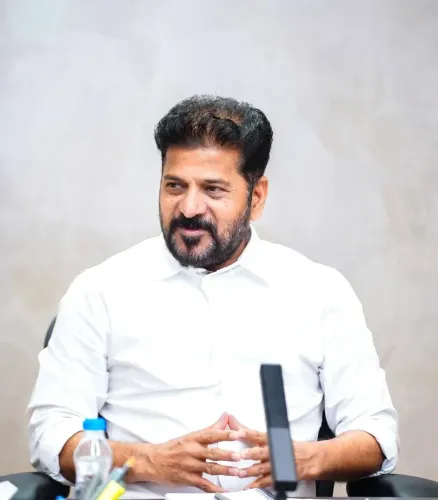
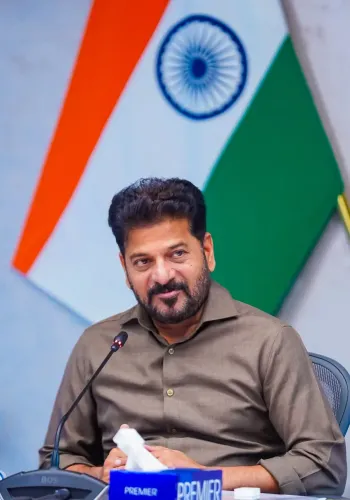
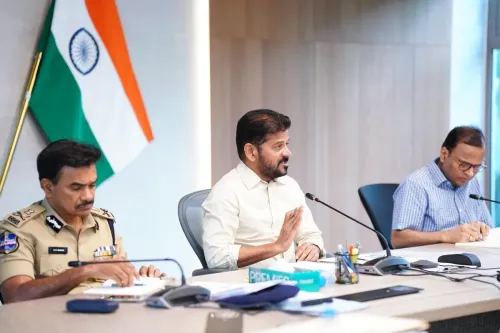
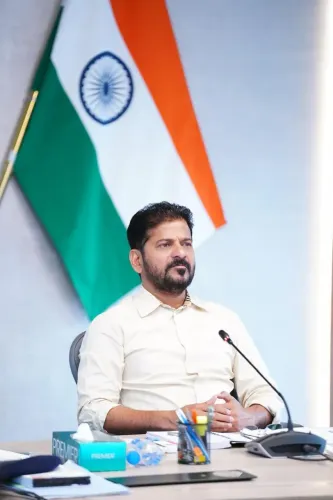
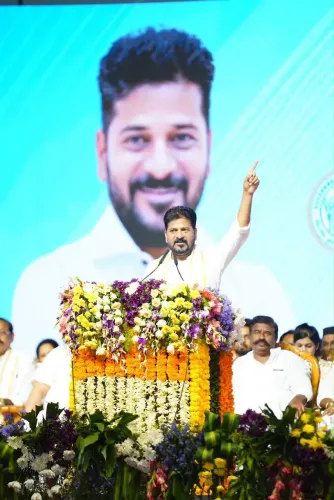
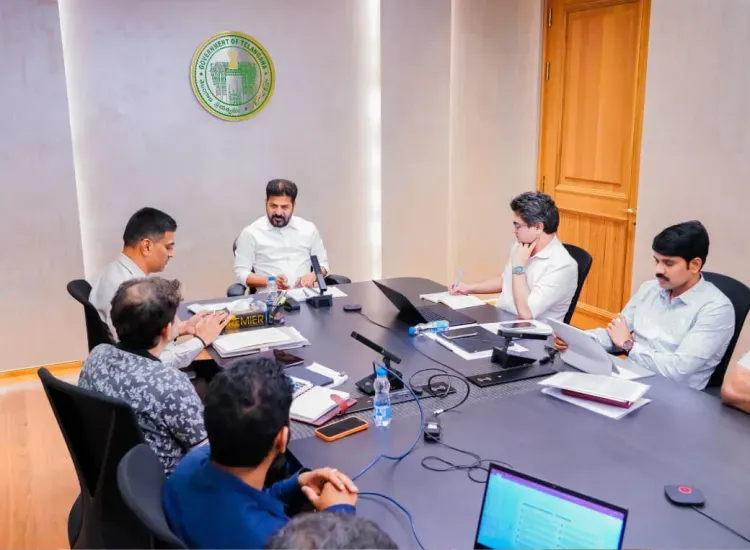
Hyderabad's next decade of growth will be built — literally — on the quality of its roads. Telangana Chief Minister A. Revanth Reddy on Thursday, 6 August 2026, chaired a high-level review with officials of HMDA (Hyderabad Metropolitan Development Authority) and HRDCL (Hyderabad Road Development Corporation Limited), covering every pillar of the city's road infrastructure agenda.
The Chief Minister posted on X in Telugu: 'హైదరాబాద్ నగర భవిష్యత్ అభివృద్ధికి సమగ్ర రోడ్డు మౌలిక వసతులే పునాది' — 'Comprehensive road infrastructure is the foundation for Hyderabad's future development.' He said the review covered road planning, land acquisition, the TDR (Transferable Development Rights) system, upkeep of the Outer Ring Road, radial roads, and the progress of elevated corridors.
Zero Compromise on Quality, Transparency, and Safety
Revanth Reddy issued a clear directive to officials: no compromise on road quality, transparency, or safety — in any project, under any circumstance. Every ongoing project must be completed within its stipulated deadline. The CM also instructed that future planning account for the city's long-term transportation needs, not just present-day demand.
Outer Ring Road, Radial Roads, and Elevated Corridors Under the Lens
The 158-km Outer Ring Road, which encircles Hyderabad and was conceived in the early 2000s to ease city congestion and unlock peripheral growth, came up for operational review. Alongside it, radial roads that connect the ORR to the city core — and elevated corridors designed to ease bottlenecks — were assessed for progress. The TDR mechanism, which allows authorities to acquire land for public projects by granting developers additional building rights elsewhere, was also examined as a tool for accelerating land assembly.
A City That Cannot Afford to Stall
Hyderabad's status as India's leading IT and services hub makes its road network a direct economic variable — not just a civic amenity. Successive Telangana governments since state formation in 2014 have expanded radial roads, elevated corridors, and metro connectivity as the city's population and commercial footprint have grown. The Congress government, since taking office in December 2023, has maintained this infrastructure focus while adding an explicit emphasis on accountability: time-bound delivery and transparent execution.
The road ahead — quite literally — will be watched in the next state budget and assembly session, where timelines for radial roads and elevated corridor completions are expected to come into sharper focus.
Point of View
Distancing the current administration from legacy cost overruns and delays. Watching whether these directives translate into concrete timelines in the assembly session will be the real test of this posture.
NationPress
7 Aug 2026
Frequently Asked Questions
What did CM Revanth Reddy review regarding Hyderabad roads?
CM Revanth Reddy reviewed road planning, land acquisition, the TDR system, Outer Ring Road maintenance, radial roads, and elevated corridor progress with HMDA and HRDCL officials on 6 August 2026.
What is HMDA and what does it do?
HMDA, the Hyderabad Metropolitan Development Authority, is the nodal agency responsible for planning, development, and infrastructure oversight across the Hyderabad metropolitan area.
What is the TDR system used for in Hyderabad?
The Transferable Development Rights (TDR) system allows Hyderabad authorities to acquire land for public road and infrastructure projects by granting developers additional building rights at alternative locations.
How long is the Hyderabad Outer Ring Road?
The Hyderabad Outer Ring Road is 158 kilometres long, encircling the city to reduce congestion and support growth in peripheral areas.
When did Revanth Reddy become Chief Minister of Telangana?
A. Revanth Reddy became Chief Minister of Telangana in December 2023 after the Congress party won the state assembly elections.