CM Revanth Orders Unified Road Grid for Hyderabad
Synopsis
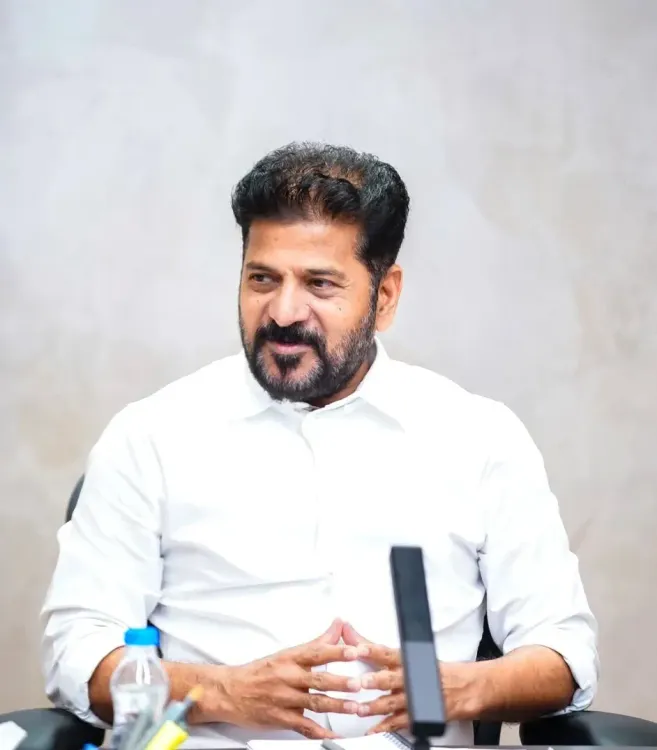
Chief Minister Revanth Anumula has ordered all Hyderabad road projects — ORR, Regional Ring Road, flyovers, underpasses — unified under one system, set a December 9 target for Radial Road 1, cracked down on ORR safety gaps, and banned middlemen from land pooling.
Key Takeaways
CM Revanth Anumula directed that all road projects in Hyderabad and HMDA jurisdiction be brought under a single unified management system.
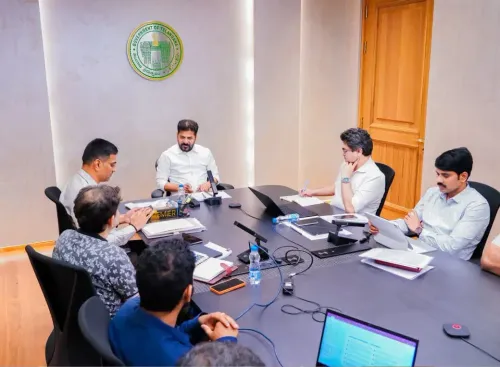
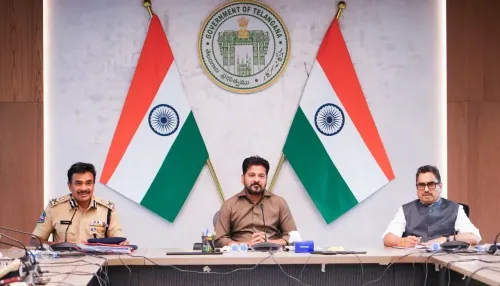
The review was held at Bodhi Pavilion, MCR HRD Institute , with senior HMDA and HRDCL officials present.
Radial Road 1 from Kongarakalan to Bharat Future City must be completed by December 9 , with no quality compromises.
Continuous surveillance ordered on Outer Ring Road maintenance to address accidents caused by random vehicle parking on the expressway.
Middlemen barred from land pooling for road widening; a dedicated committee to be formed for TDR issuance .
Work on Budwel Trumpet Interchange and Banjara Hills to Shilpa Layout elevated corridor to begin immediately.
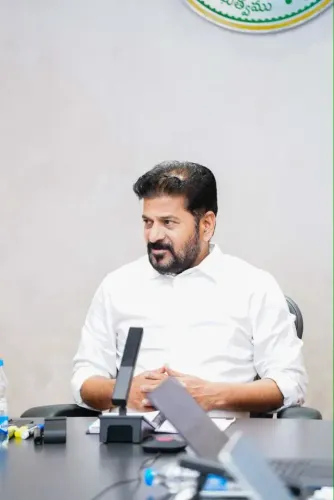
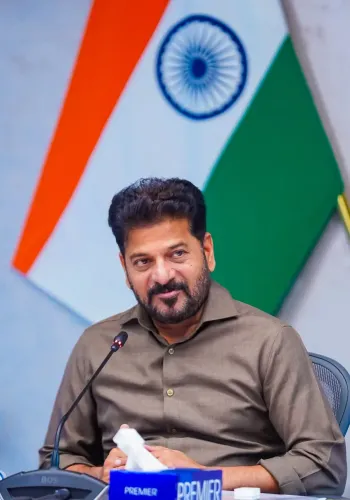
Hyderabad's sprawling road network — split across agencies, stalled by land disputes, and plagued by maintenance gaps on its flagship expressway — got a firm political push on Thursday, August 6, 2026. The Chief Minister's Office of Telangana announced that Chief Minister Revanth Anumula has directed officials to bring every road project in Hyderabad and the HMDA jurisdiction under a single unified system, from land acquisition to loan management to day-to-day upkeep.
One System to Rule Hyderabad's Roads
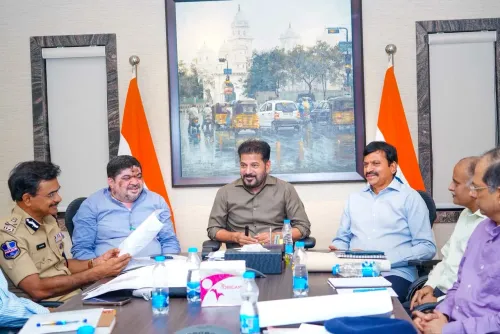
The directive came out of a high-level review held at Bodhi Pavilion, MCR HRD Institute, attended by senior officials of the Hyderabad Metropolitan Development Authority (HMDA) and the Hyderabad Road Development Corporation Limited (HRDCL). Revanth's core instruction: consolidate the Outer Ring Road (ORR), the Regional Ring Road (RRR), flyovers, underpasses, and all city roads into one governance structure. The fragmentation that has long defined Hyderabad's road administration — different agencies, different accountability chains — is now squarely in the CM's crosshairs.
ORR Safety Crisis and the Parking Problem
The Chief Minister called out a specific and dangerous pattern on the Outer Ring Road: vehicles being parked randomly along the expressway, contributing to a string of accidents. Revanth ordered continuous surveillance of ORR maintenance, signalling that the 158-kilometre expressway — completed in phases after Telangana's formation in 2014 — can no longer be treated as a set-and-forget asset. The safety directive addresses a long-standing concern that encroachments and upkeep gaps have made one of India's largest urban ring roads a recurring accident zone.
Radial Road 1 Deadline and the Bharat Future City Link
The review set a firm construction target: Radial Road 1, running from Kongarakalan to Bharat Future City, must be completed by December 9. Revanth was explicit — obstacles on radial road construction must be cleared as fast as possible, and there is to be no compromise on construction quality. The radial roads are the connective tissue linking Hyderabad's core to its planned growth nodes, and the Bharat Future City link is among the highest-priority corridors for the region's next phase of urban expansion.
Budwel, Banjara Hills, and the Green Corridor Push
Two more projects received direct acceleration orders: the Budwel Trumpet Interchange and the elevated corridor from Banjara Hills to Shilpa Layout. Both are to be started quickly. Alongside the infrastructure push, Revanth directed that green cover be maintained on both sides of all roads — a rare environmental rider attached to an otherwise infrastructure-heavy review.
Land Pooling Without Middlemen, TDR With a Dedicated Committee
Land acquisition was the sharpest edge of the review. The CM told officials that Hyderabad's future depends on road expansion, and that land acquisition work must be accelerated without any slack. Critically, he banned middlemen from the land pooling process for road widening — a direct response to a recurring governance failure in metropolitan land deals. He also ordered the formation of a dedicated committee for issuing Transferable Development Rights (TDRs), bringing structure to a process that has historically been opaque and prone to delays.
Hyderabad has been building outward for two decades. Whether the city's agencies can now build together — under one system, on one timeline — is the question this review has put on the table.
Point of View
A priority that every Telangana government since 2014 has articulated but struggled to operationalise. The hard December 9 deadline on Radial Road 1 is a measurable accountability peg — rare in infrastructure governance — and its outcome will test whether this review translates into delivery or remains another directive on paper. Hyderabad's ambition to be a global city increasingly rides on whether its road-building machinery can match its real estate and IT sector's pace.
NationPress
21 Sept 2026
Frequently Asked Questions
What did CM Revanth Anumula announce about Hyderabad roads?
CM Revanth Anumula ordered all road projects in Hyderabad and the HMDA region — including the Outer Ring Road, Regional Ring Road, flyovers, and underpasses — to be brought under a single unified management system, and set a December 9 deadline for completing Radial Road 1.
What is the December 9 road deadline in Hyderabad?
The Chief Minister directed that Radial Road 1, connecting Kongarakalan to Bharat Future City, must be completed by December 9, with no compromise on construction quality.
Why is the Outer Ring Road dangerous in Hyderabad?
CM Revanth cited random parking of vehicles along the Outer Ring Road as a major cause of accidents, and ordered continuous surveillance and proper maintenance of the expressway.
What is Bharat Future City in Hyderabad?
Bharat Future City is a designated growth node in the Hyderabad metropolitan region, now being connected to the city's core via Radial Road 1 as part of the region's urban expansion plan.
What are TDRs and why is Telangana forming a committee for them?
Transferable Development Rights (TDRs) are compensation tools given to landowners whose land is acquired for public projects like road widening. CM Revanth ordered a dedicated committee to oversee TDR issuance to bring transparency and structure to a process prone to delays and opacity.