Telangana to use govt land for Indiramma houses in Hyderabad CURE zone
Synopsis
Telangana is redirecting idle government land — from Police, Revenue, and Transport departments — into affordable urban housing, with 7,680 Indiramma flats planned across 17 Hyderabad constituencies in Phase 1. The CM's insistence on building near workplaces addresses a chronic failure of Indian low-income housing: units built in the periphery that the poor simply cannot afford to live in.
Key Takeaways
Revanth Reddy on 24 July directed officials to use idle lands of Police , Revenue , and Transport departments for Indiramma housing in Hyderabad's CURE zone.
Phase 1 targets 7,680 flats across 17 Assembly constituencies within the Outer Ring Road limits.
Each flat covers approximately 528 sq ft (carpet area 400 sq ft ); construction cost is roughly ₹11 lakh with a government subsidy of ₹5 lakh .
Beneficiaries pay ₹6 lakh ; the state bears the full cost of land .
The CM stressed housing must be built near workplaces to prevent occupancy failures seen in remote low-income projects.
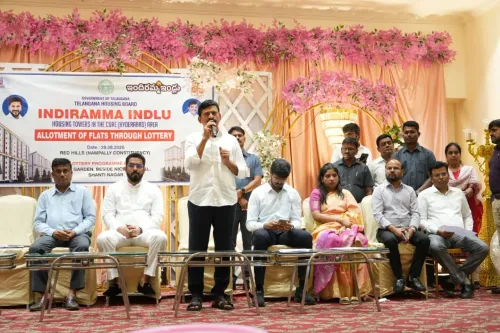
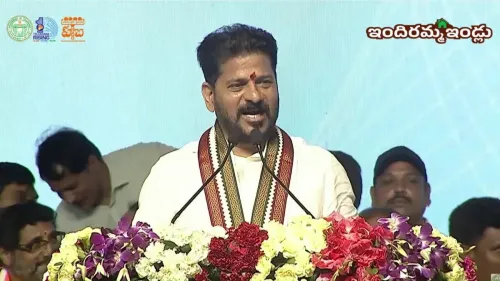
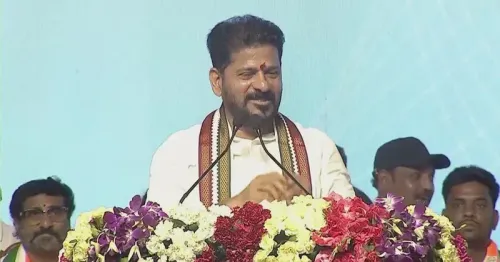
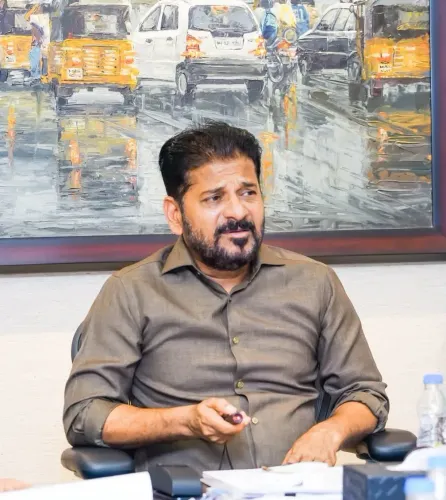
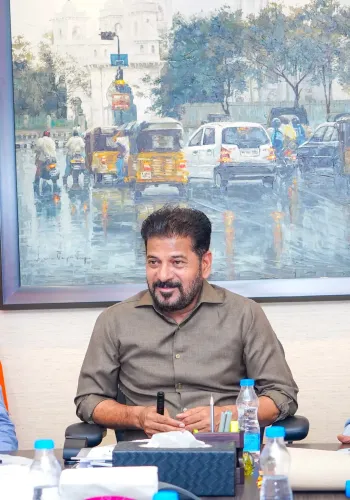
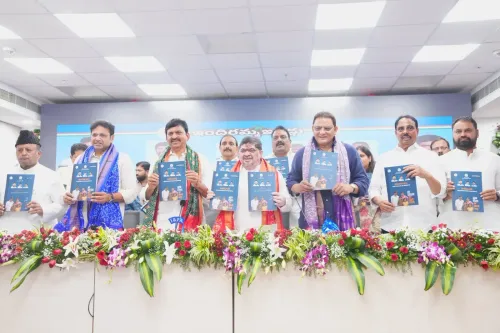
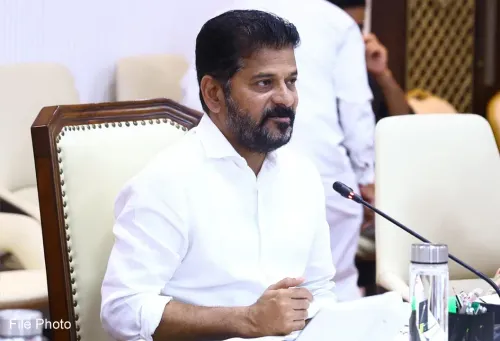
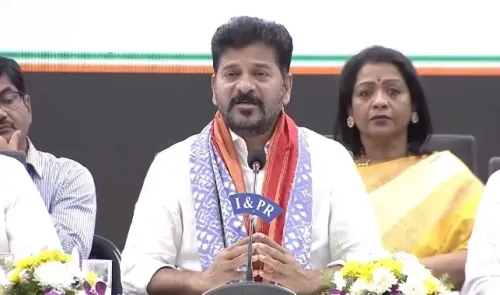
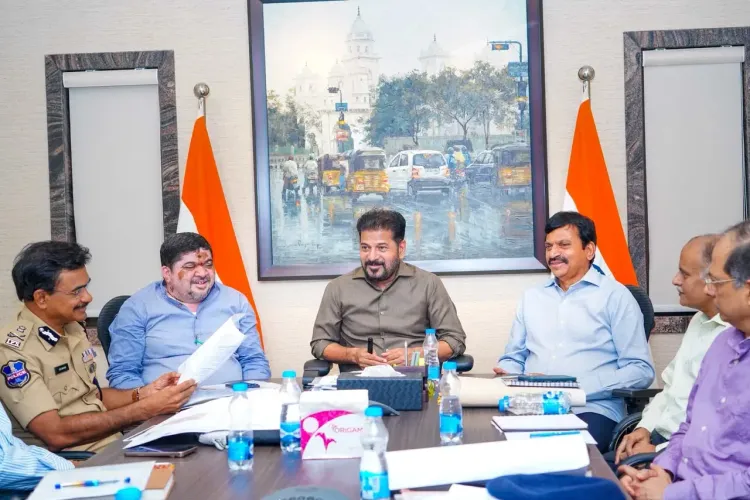
Telangana Chief Minister A. Revanth Reddy on Friday, 24 July directed officials to identify and deploy unused lands held by various state government departments for the construction of Indiramma urban housing units within the Core Urban Region Economy (CURE) zone of Hyderabad. The directive came during a high-level review of the Indiramma urban housing scheme at which senior ministers and department heads were present.
Key Directives from the Review Meeting
Chief Minister Revanth Reddy instructed authorities to map unused land parcels belonging to the Police, Revenue, and Transport departments within the Outer Ring Road (ORR) limits. According to the Chief Minister's Office, these departments will be compensated with alternative land arrangements elsewhere, ensuring no net loss to the agencies involved.
Officials briefed the Chief Minister on housing sites already identified across multiple Assembly constituencies, with the review focusing on accelerating the identification process in the targeted areas.
Why Location of Housing Matters
Revanth Reddy flagged a recurring problem with low-income housing schemes across India: units built far from urban employment centres tend to remain unoccupied. He stressed that Indiramma houses must be constructed close to workplaces and within residential clusters so that beneficiaries do not sacrifice their livelihoods for a home. 'The houses constructed for the poor, which were far away, remained unused,' he noted, underlining the need for proximity to economic activity as a non-negotiable design principle.
Scheme Details and Financials
Each Indiramma flat will have a total built-up area of approximately 528 square feet with a carpet area of 400 square feet. The total construction cost per unit is approximately ₹11 lakh, against which the state government provides a subsidy of ₹5 lakh. Beneficiaries are required to contribute the remaining ₹6 lakh, while the government bears the full cost of the land — effectively reducing the real burden on the urban poor.
Phase 1: 7,680 Flats Across 17 Constituencies
In the first phase, 7,680 flats are planned across 17 Assembly constituencies within the CURE area. The constituencies earmarked include Rajendranagar, Maheshwaram, Serilingampally, Ibrahimpatnam, Malkajgiri, Nampally, Khairatabad, Jubilee Hills, Karwan, Bahadurpura, Amberpet, Kukatpally, Medchal, Quthbullapur, Sanathnagar, Secunderabad Cantonment, and Malakpet.
Officials Present at the Review
The meeting was attended by Ministers Ponguleti Srinivas Reddy and Ponnam Prabhakar, Roads and Buildings Department Special Chief Secretary Vikas Raj, Director General of Police CV Anand, and the Chief Minister's Principal Secretaries N. Sridhar and V. Seshadri, along with other senior officials.
With land identification now fast-tracked, the pace of first-phase construction will serve as the early test of whether Telangana can deliver on its urban housing promise without repeating the occupancy failures seen in earlier low-income schemes elsewhere in the country.
Point of View
But the real test lies in execution speed and beneficiary selection. Telangana is not the first state to announce urban housing on government land — Maharashtra and Delhi have attempted similar pivots with mixed results. Revanth Reddy's explicit acknowledgement that remotely built housing stays vacant is a welcome corrective, but proximity to employment alone does not guarantee uptake; affordability of the ₹6 lakh beneficiary share and title security will matter equally. With 7,680 units in Phase 1 against a much larger urban housing deficit, the scheme's scale is modest — the real question is whether it becomes a replicable template or another pilot that stalls at Phase 2.
NationPress
23 Oct 2026
Frequently Asked Questions
What is the Indiramma urban housing scheme in Telangana?
The Indiramma housing scheme is a Telangana state government initiative to construct affordable flats for the urban poor within the Core Urban Region Economy (CURE) zone of Hyderabad. Each unit is approximately 528 square feet with a government subsidy of ₹5 lakh and the state bearing the full land cost.
Which areas will get Indiramma houses in Phase 1?
Phase 1 covers 17 Assembly constituencies: Rajendranagar, Maheshwaram, Serilingampally, Ibrahimpatnam, Malkajgiri, Nampally, Khairatabad, Jubilee Hills, Karwan, Bahadurpura, Amberpet, Kukatpally, Medchal, Quthbullapur, Sanathnagar, Secunderabad Cantonment, and Malakpet. A total of 7,680 flats are planned in this phase.
How much does an Indiramma flat cost and what is the subsidy?
The total construction cost per flat is approximately ₹11 lakh. The state government provides a subsidy of ₹5 lakh, and beneficiaries are required to pay the remaining ₹6 lakh. The government also bears the entire cost of the land.
Why is the Telangana government using government department lands for this scheme?
Chief Minister Revanth Reddy directed officials to utilise unused lands held by the Police, Revenue, and Transport departments to ensure housing is built within the urban core rather than on the city periphery. The departments will receive alternative land in other locations as compensation.
Why did CM Revanth Reddy stress building houses near workplaces?
The Chief Minister pointed out that low-income housing built far from residential and employment centres has historically remained unoccupied because residents cannot afford to lose their livelihoods by relocating. He made proximity to workplaces a key criterion for site selection under the Indiramma scheme.