Telangana CM Revanth Reddy orders traffic bureau, targets ORR safety
Synopsis
Telangana CM Revanth Reddy has ordered a formal bureau for traffic management and road safety — with studies mandated before any new infrastructure is built, periodic reviews every two to three months, and a specific crackdown on ORR parking accidents. On the same day, he put school and college managements on notice for drug control, proposing a three-stage intervention from de-addiction to new legislation.
Key Takeaways
Revanth Reddy directed officials on 24 July to establish a dedicated bureau for traffic management and road safety with a formal institutional structure.
Traffic management plans must account for weather, work schedules, and peak hours ; reviews to be held every 2–3 months .
The Outer Ring Road (ORR) was flagged as a high-risk zone; officials ordered to prevent haphazard vehicle stopping and ensure continuous monitoring.
Construction of underpasses and elevated corridors and a smart signalling system study ordered to create signal-free traffic flow in core urban areas.
School and college managements and principals to be held accountable for drug-related incidents on campus; first-time offenders to be sent to de-addiction centres .
New legislation to tackle the drug menace is under examination, alongside toll-free numbers and QR codes for campus-level reporting.
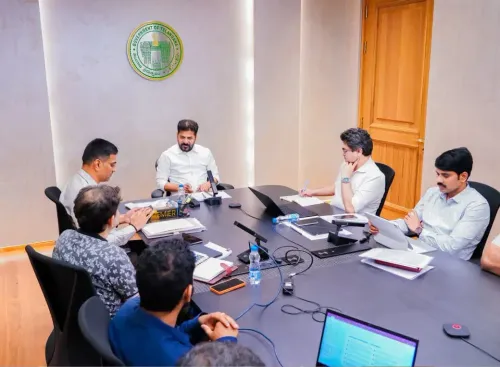
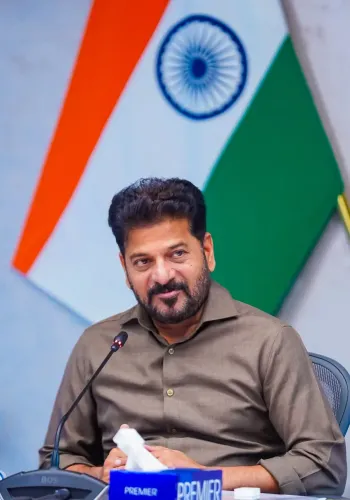
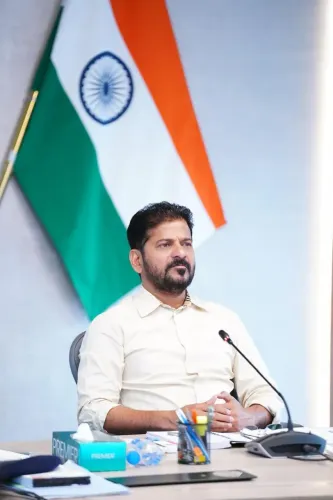
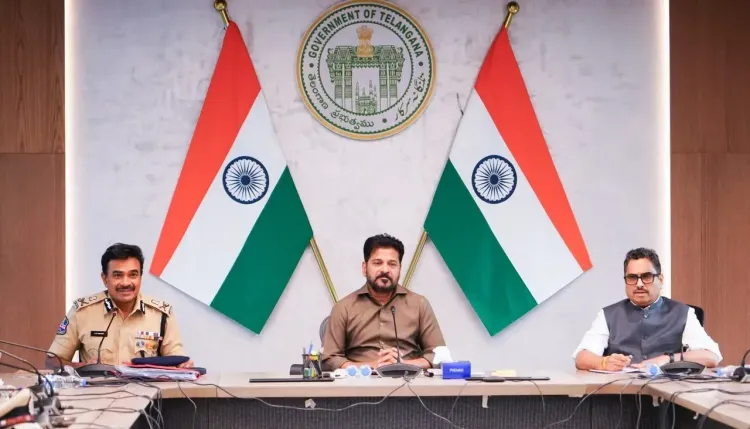
Telangana Chief Minister A. Revanth Reddy on Friday, 24 July directed senior officials to establish a dedicated bureau for traffic management and road safety in the state, following a high-level review of Hyderabad's worsening congestion and road accident record. The Chief Minister's Office (CMO) confirmed that the bureau will be given a formal institutional structure, underpinned by a comprehensive study of the state's transportation system.
Key Directions from the Review
Revanth Reddy made clear that enforcement alone cannot resolve traffic challenges. He instructed officials to develop traffic management plans calibrated to weather conditions, work schedules, and peak-hour patterns. Periodic reviews of traffic-streamlining measures are to be held every two to three months, according to the CMO.
The Chief Minister also stressed that infrastructure studies must precede any new construction — a departure from the reactive approach that has historically characterised urban road planning in Hyderabad.
Outer Ring Road Accidents in Focus
Revanth Reddy specifically flagged the Outer Ring Road (ORR) as a critical concern, noting that a significant number of accidents are linked to vehicles stopping or parking haphazardly along the corridor. He cited recent accidents on the ORR as examples and ordered officials to implement preventive measures and ensure continuous monitoring to curb unauthorised stopping on the expressway.
Signal-Free Corridors and Smart Signalling
Addressing core urban congestion, the Chief Minister observed that closely spaced traffic signals are forcing frequent stops, worsening gridlock in the city's central zones. He called for the construction of underpasses and elevated corridors wherever feasible to enable a signal-free traffic flow. Officials were also asked to study the feasibility of deploying a smart signalling system to keep vehicles moving continuously and prevent traffic stagnation.
Drug Control Push in Educational Institutions
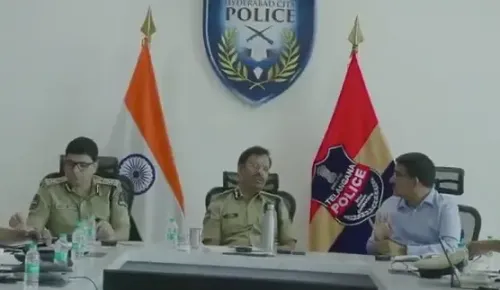
In a separate review meeting on the same day, Revanth Reddy directed officials to intensify drug control measures across the state, with a particular focus on educational institutions. He called for declarations to be obtained from students and proposed holding school and college managements — including principals — directly accountable for drug-related incidents on campus.
The Chief Minister outlined a three-stage approach: identifying users and routing first-time offenders to de-addiction centres; imposing severe penalties on repeat offenders; and pursuing strict action against suppliers. He also suggested installing toll-free numbers and QR codes within educational premises to facilitate anonymous reporting of drug-related activity. Officials were further asked to examine the possibility of enacting new legislation to deal with the drugs menace more stringently.
What Comes Next
The twin directives — on traffic governance and drug control — signal a broader administrative push by the Telangana government ahead of the next review cycle. The establishment of the traffic bureau and the framing of new drug-related rules are both at the study and planning stage; formal timelines have not yet been announced. How swiftly the institutional structures take shape will be the key metric to watch in the months ahead.
Point of View
Yet enforcement has been episodic. On drug control, shifting accountability to school managements is politically bold but legally untested — holding a principal liable for off-campus supply chains raises due-process questions that any new legislation will need to resolve carefully.
NationPress
23 Oct 2026
Frequently Asked Questions
What is the new traffic management bureau ordered by Telangana CM Revanth Reddy?
It is a dedicated government body directed to be established to oversee traffic management and road safety across Telangana. The bureau will have a formal institutional structure, conduct comprehensive transportation studies, and hold periodic reviews every two to three months.
Why is the Outer Ring Road a specific concern for Telangana traffic authorities?
According to Chief Minister Revanth Reddy, a significant number of accidents on the ORR are caused by vehicles stopping or parking haphazardly on the expressway. He cited recent accidents as examples and ordered preventive measures and continuous monitoring to address the problem.
What infrastructure changes are planned for Hyderabad's urban traffic?
The Chief Minister has called for underpasses and elevated corridors to be built wherever feasible, aiming to create a signal-free traffic system in the city's core zones. Officials have also been asked to study the implementation of a smart signalling system to keep vehicles moving continuously.
How does the Telangana government plan to tackle drugs in educational institutions?
CM Revanth Reddy outlined a three-stage approach: identifying users and sending first-time offenders to de-addiction centres, imposing severe penalties on repeat offenders, and strictly punishing suppliers. School and college managements — including principals — are to be held accountable for incidents on campus, and toll-free numbers and QR codes may be installed for anonymous reporting.
Has a timeline been set for establishing the traffic bureau?
No formal timeline has been announced yet. The bureau and related drug-control rules are currently at the study and planning stage, with the next steps expected to emerge from the mandated review cycle over the coming months.