CM Revanth Reddy meets teachers back from Finland, Germany study tour
Synopsis
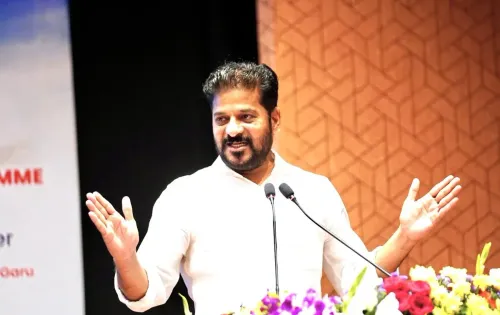
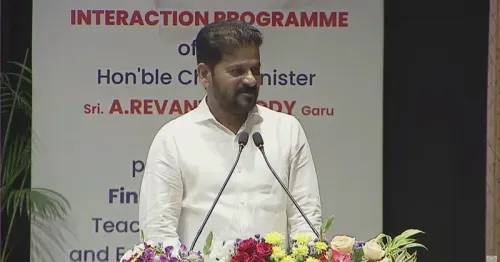
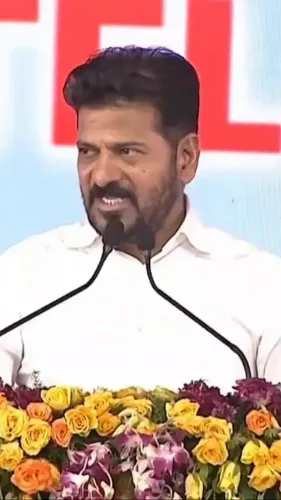
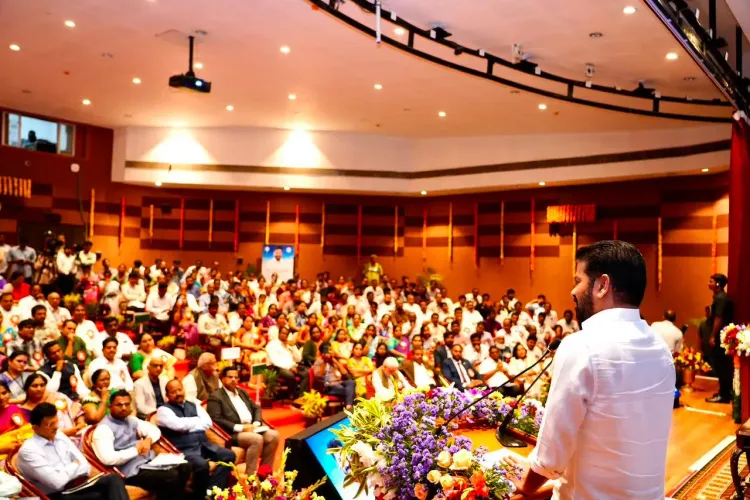
Telangana CM A. Revanth Reddy met government school teachers on 30 July 2026 after their study tour of Finland and Germany, directing them to prepare a comprehensive education action report by December to strengthen public schooling from the next academic year.
Key Takeaways
Revanth Reddy met the teacher delegation on 30 July 2026 as part of the 'Teacher International Exposure Visit and Educational Exchange' programme.
Teachers studied education systems in Finland (equity and teacher autonomy model) and Germany (dual vocational training model).
The CM directed officials to produce a comprehensive action report by December 2026 to guide reforms for the next academic year.
Revanth Reddy stated the government is 'ready to spend whatever it takes' on student welfare and quality education.
The initiative aligns with the National Education Policy 2020 focus on teacher capacity building in government schools.
Telangana's stated goal is to become a national and global model for quality public education.
A group of Telangana government school teachers has returned from Finland and Germany — two of the world's most admired education systems — and Telangana Chief Minister A. Revanth Reddy sat down with them on Thursday, 30 July 2026 to hear what they brought back. The meeting was not ceremonial. Revanth Reddy left it with a deadline.
What the teachers saw in Finland and Germany
The delegation travelled under the 'Teacher International Exposure Visit and Educational Exchange' programme, a state-led initiative designed to immerse Telangana's government school teachers in high-performing foreign education environments. Finland is globally recognised for a model built on teacher autonomy, equity across income groups, and near-zero standardised testing pressure. Germany offers a contrasting but equally respected dual-track system that weaves vocational apprenticeships directly into school-level learning — producing graduates who are workplace-ready before they leave their teens.
Together, the two destinations gave the delegation a full-spectrum view: the Finnish philosophy of nurturing the whole child, and the German discipline of connecting classroom knowledge to real industry demand.
From Helsinki and Berlin to Hyderabad classrooms
The CM's meeting focused on a single, practical question: how do the lessons from Helsinki and Berlin translate into a government school in Telangana? Revanth Reddy framed his government's ambition plainly, saying that education is not merely about teaching lessons — it is about building 'confidence, discipline, skills, and a global outlook' in every student.
He called on the returning teachers to become 'guides to change' (mārpuku mārgadarśulu), and asked that their experience and knowledge 'show a new direction to the Telangana education system.' The register was deliberate: the CM positioned teachers, not administrators, as the engine of reform.
December deadline and a spending commitment
The meeting produced a concrete output. Revanth Reddy instructed officials and the teacher delegation to prepare a comprehensive action report by December 2026, in time to shape the next academic year. The report is expected to map which Finnish and German practices can be piloted in Telangana government schools and what resources they require.
On funding, the CM was unambiguous: 'Our government is ready to spend whatever it takes for students.' Indian states have periodically sent teacher cohorts to Finland, Singapore, and other high-performing systems — but the follow-through on such visits, from report to actual classroom change, is where most programmes stall. The December deadline is Telangana's attempt to close that gap before the next school year opens.
The broader context matters here. Telangana, formed as a state in 2014, has made public schooling a political priority since the 2023 elections, and the initiative aligns with the National Education Policy 2020's emphasis on teacher capacity building and quality in government schools. Revanth Reddy's stated goal — to make Telangana 'an address for quality education' that the world looks to as a model — sets a high bar. The December report will be the first real test of whether the ambition survives contact with the ground.
Point of View
Giving the initiative momentum beyond a single photo-op. For Revanth Reddy, who leads both the state government and the Telangana Pradesh Congress Committee, visible education investment is also a durable political asset in a state where government school enrolment remains high. The real test will be whether the report produces funded pilots or joins the long shelf of well-intentioned post-visit documents.
NationPress
13 Sept 2026
Frequently Asked Questions
What is the Telangana Teacher International Exposure Visit programme?
It is a Telangana government initiative that sends public school teachers abroad to study high-performing education systems. The current cohort visited Finland and Germany to learn best practices in pedagogy and vocational training.
Why did Telangana teachers visit Finland and Germany specifically?
Finland is globally recognised for its equity-focused, low-testing education model, while Germany is known for its dual vocational system that combines classroom learning with industry apprenticeships — offering Telangana teachers two contrasting but proven approaches.
What did CM Revanth Reddy ask after meeting the returning teachers?
Revanth Reddy asked the delegation to prepare a comprehensive action report by December 2026 detailing how Finnish and German practices can be implemented in Telangana government schools from the next academic year.
How does this initiative relate to the National Education Policy 2020?
The National Education Policy 2020 emphasises teacher capacity building and improving quality in government schools. Telangana's international teacher exchange programme directly supports those goals by exposing educators to world-class systems.
Has Telangana committed funds for education reform under Revanth Reddy?
CM Revanth Reddy stated on 30 July 2026 that the Telangana government is 'ready to spend whatever it takes for students,' though specific budget figures were not disclosed at the meeting.