How Did a Rhino Attack Lead to a Tragic Incident in Kaziranga National Park?
Synopsis
A devastating incident in Kaziranga National Park has led to the loss of a forest guard's life and left another injured following a rhino attack. This tragic event sheds light on the dangers faced by wildlife protection personnel and calls for urgent attention to their safety measures.
Key Takeaways
Forest guard killed in a tragic rhino attack.
Another guard seriously injured and receiving treatment.
Incident highlights risks faced by wildlife protection personnel.
Investigation launched into the circumstances of the attack.
Kaziranga National Park is a UNESCO World Heritage Site.
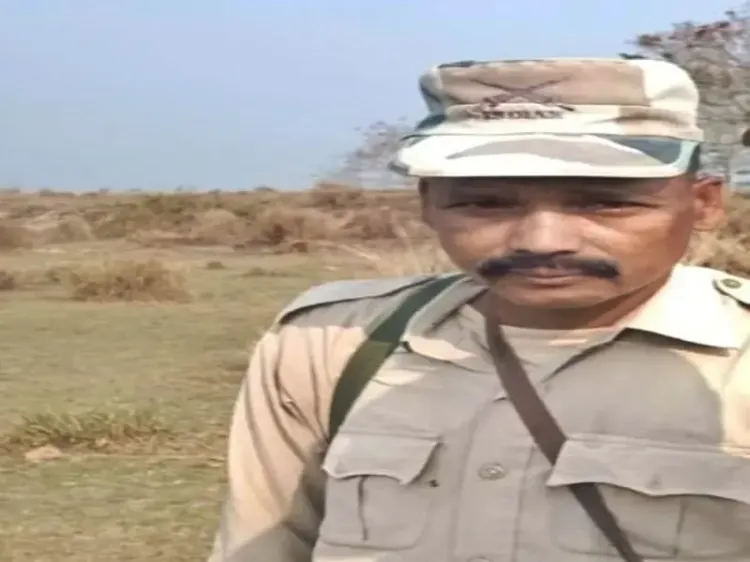
Guwahati, Feb 15 (NationPress) A tragic incident unfolded when a forest guard lost his life and another was critically injured due to a rhinoceros attack while they were on duty in Kaziranga National Park and Tiger Reserve (KNPTR) in Assam on Sunday, according to officials.
A representative from KNPTR reported that the incident took place at the Bordoloni Camp in the Kohora Range around noon. The deceased, 52-year-old Sahabuddin, a Home Guard, was patrolling alongside his colleague, Ramen Borah.
In the attack, Sahabuddin suffered severe injuries and tragically passed away while being transported to Kohora Hospital. Officials noted that this incident highlights the perilous conditions faced by those working in wildlife protection.
Meanwhile, Ramen Borah is currently receiving treatment at Jorhat Medical College and Hospital, where his condition is under close observation.
The authorities of Kaziranga National Park and Tiger Reserve expressed profound condolences for Sahabuddin's death and extended wishes for a swift recovery to Borah, recognizing their dedication to safeguarding the park's wildlife.
An investigation has been initiated to uncover the details surrounding the attack and the events that transpired during their patrol.
Officials indicated that the rhino assault occurred during official duty hours, accentuating the inherent dangers that wildlife protection staff encounter, especially during anti-poaching and conservation operations within the park.
Arun Vignesh, the Divisional Forest Officer (DFO) of the Eastern Assam Wildlife Division, stated that teams have been dispatched to locate the rhinoceros involved in this tragic incident and are actively monitoring the area to mitigate any further threats to personnel.
Officials recalled that a similar rhino attack in February 2024 resulted in serious injuries to a forest guard and a Home Guard, accentuating the ongoing perils faced by field staff involved in wildlife protection.
Renowned as a UNESCO World Heritage Site, Kaziranga National Park and Tiger Reserve is celebrated for its remarkable biodiversity, including the largest population of the greater one-horned rhinoceros in the world.
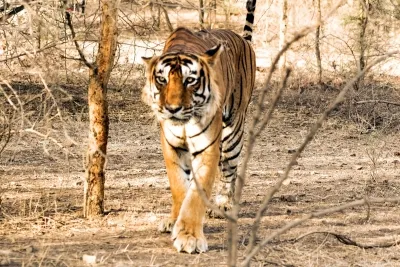
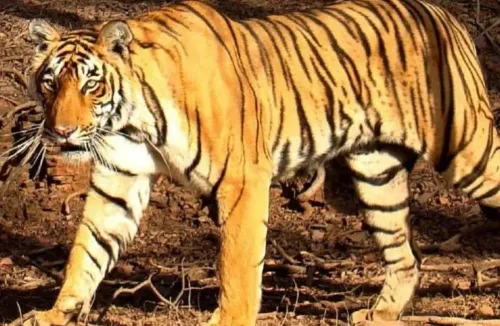
According to recent estimates, the park is home to 2,613 greater one-horned rhinoceroses (2022 census), 104 Bengal tigers (2022), 1,228 Asian elephants (2024), 2,565 wild water buffaloes (2022), and 1,129 eastern swamp deer (2022), establishing it as a key area for wildlife conservation in India.
Spanning the districts of Golaghat, Nagaon, Sonitpur, and Biswanath, the park generated revenue exceeding Rs 10.90 crore in 2024–25 and more than Rs 8.81 crore in 2023–24, underscoring its ecological and economic importance.
The KNPTR consists of three forest divisions – the Eastern Assam Wildlife Division (Bokakhat), the Biswanath Wildlife Division (Biswanath Chariali), and the Nagaon Wildlife Division (Nagaon), collectively overseeing protection, conservation, and administrative tasks.
Further updates are expected as officials continue to evaluate the situation and monitor developments within the park.
Point of View
We recognize the profound risks faced by wildlife protection personnel in India. The tragic loss of a forest guard in Kaziranga National Park serves as a stark reminder of the challenges in conservation efforts. It is imperative that we address the safety and well-being of those who protect our natural heritage.
NationPress
21 Sept 2026
Frequently Asked Questions
What happened to the forest guards in Kaziranga National Park?
A forest guard was killed, and another was seriously injured due to a rhinoceros attack while on duty.
Where did the incident occur?
The incident took place at Bordoloni Camp in the Kohora Range of Kaziranga National Park.
What measures are being taken after the attack?
An investigation has been initiated, and forest teams are deployed to track the rhinoceros involved.
What is Kaziranga National Park known for?
Kaziranga National Park is renowned for its rich biodiversity, particularly as the home of the world's largest population of greater one-horned rhinoceroses.
What support has been extended to the injured forest personnel?
Authorities have expressed condolences and are closely monitoring the health of the injured forest guard.