Rijiju: Assam-Arunachal hearts are one, borders differ
Synopsis
Union Minister Kiren Rijiju, writing in Assamese, declared that Assam and Arunachal Pradesh share a bond of generations and will keep resolving their boundary differences through dialogue — framing the dispute as a matter of shared hearts, not divided lines.
Key Takeaways
Union Parliamentary Affairs Minister Kiren Rijiju posted in Assamese on 13 August 2026 , reaffirming dialogue as the path to resolving the Assam-Arunachal Pradesh boundary dispute.
He described the relationship as built on 'brotherhood, love, affection and mutual respect' across many generations.
Rijiju pledged that talks would continue on every unresolved issue until each one is settled.
Arunachal Pradesh was separated from Assam as a Union Territory in 1972 and became a full state in 1987 , leaving behind a contested boundary.
Central governments have consistently preferred bilateral boundary committees and joint surveys over judicial adjudication in this dispute.
The next formal meeting of the Assam-Arunachal boundary committees will be the key indicator of whether this public appeal yields concrete progress.
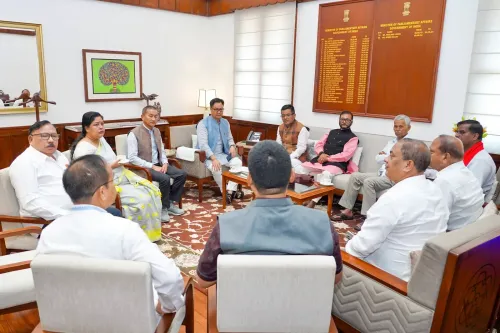
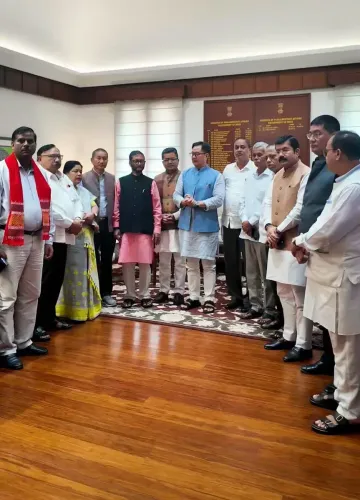
Separate boundaries, one heart — that is how Union Parliamentary Affairs Minister Kiren Rijiju framed the relationship between Assam and Arunachal Pradesh on Thursday, 13 August 2026, invoking generations of shared kinship as he renewed his call for dialogue over the two states' long-standing boundary differences.
Writing in Assamese, Rijiju offered a sentiment that doubles as a policy position: 'হয়তো, আমাৰ সীমা পৃথক, কিন্তু আমাৰ হৃদয় এক' — 'Perhaps our borders are different, but our hearts are one.' He described the bond between the two neighbours as rooted in 'brotherhood, love, affection and mutual respect, built across many generations,' and pledged that dialogue would continue on every unresolved issue until each one is settled.
A border inherited from history, managed through talk
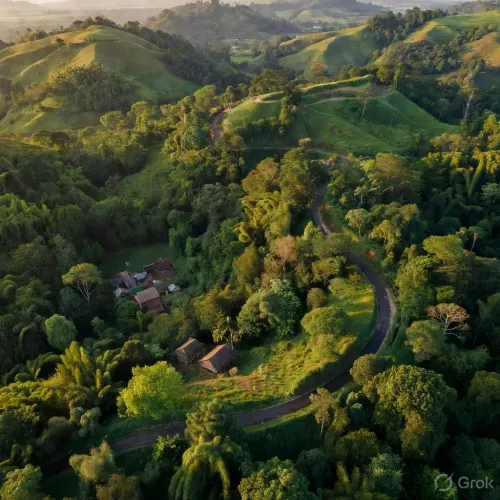
Arunachal Pradesh was carved out of Assam and constituted as a Union Territory in 1972, attaining full statehood in 1987. The administrative separation left behind a contested boundary that stretches across densely forested, difficult terrain — and affects border communities on both sides whose daily lives straddle the official line. Successive central governments have preferred bilateral talks and joint survey mechanisms over judicial adjudication, keeping the dispute within a framework of negotiated consensus rather than courtroom verdicts.
Rijiju, a senior BJP leader from Arunachal Pradesh and one of the most prominent northeastern voices in the Union Cabinet, has consistently championed this dialogue-first approach. His post lands as a public reaffirmation of that posture — a signal to both state governments and border communities that the centre's preferred channel remains open and active.
Messaging that moves beyond the political calendar
The timing is notable: northeastern BJP leaders have increasingly used public platforms to project emotional solidarity alongside administrative engagement, stitching together cultural affinity and policy process into a single narrative. Rijiju's Assamese-language post speaks directly to an Assamese audience, a deliberate choice that underscores the cross-state reach he is projecting. The message is as much about trust-building as it is about any specific negotiating round.
The next formal meeting of the Assam-Arunachal boundary committees — and any joint statement that may follow from the two chief ministers — will be the clearest test of whether this public warmth translates into fresh movement on the ground. For now, Rijiju has set the tone: patient, affectionate, and firmly committed to the table over the tribunal.
Point of View
Keeping resolution within the executive-dialogue channel and away from courts or public confrontation. The emphasis on generational bonds also serves to depoliticise the boundary question, presenting it as a shared inheritance to be managed rather than a grievance to be litigated. Whether this rhetorical warmth accelerates the next round of boundary committee talks will determine its real policy weight.
NationPress
28 Sept 2026
Frequently Asked Questions
What is the Assam-Arunachal Pradesh border dispute about?
The dispute stems from the administrative separation of Arunachal Pradesh from Assam — first as a Union Territory in 1972 and then as a full state in 1987 — which left behind a contested boundary running through forested terrain that affects communities on both sides.
What did Kiren Rijiju say about Assam and Arunachal Pradesh?
Rijiju said the two states share a bond of 'brotherhood, love, affection and mutual respect' built over many generations, and pledged that dialogue would continue on every unresolved boundary issue until each one is settled.
How is the Assam-Arunachal border issue being resolved?
Both state governments, with central facilitation, have used bilateral boundary committees and joint survey mechanisms rather than courts. The approach prioritises consensual, negotiated settlement.
Why did Rijiju write his post in Assamese?
Rijiju, who represents Arunachal Pradesh, writing in Assamese signals deliberate outreach to the Assamese public — a trust-building gesture that underscores the cross-state solidarity he is projecting alongside the policy message.
What should we watch for next in the Assam-Arunachal boundary talks?
The next formal meeting of the Assam-Arunachal boundary committees and any joint statement by the two chief ministers will be the clearest indicator of whether Rijiju's public appeal translates into fresh momentum on the ground.