Rijiju Backs MLA Orientation Drive in West Bengal
Synopsis
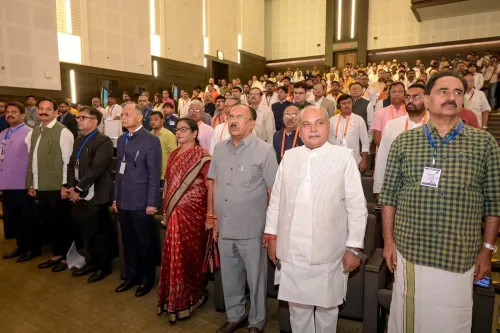
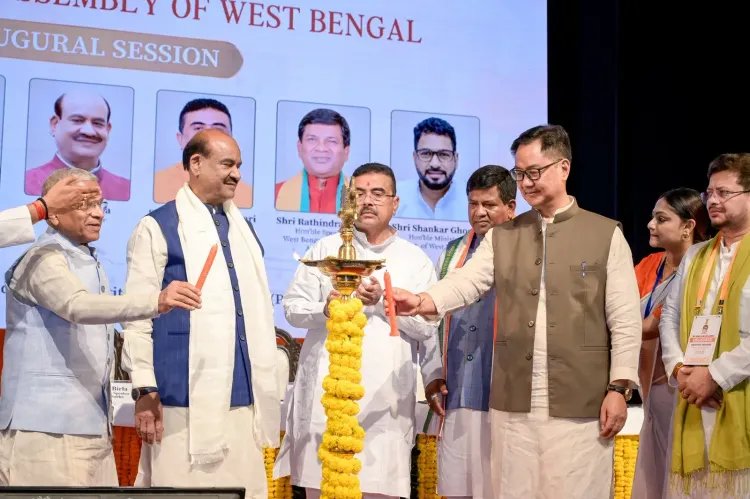
Union Parliamentary Affairs Minister Kiren Rijiju on 3 July 2026 praised a well-attended Orientation Programme for newly elected West Bengal MLAs, saying it would empower them to legislate effectively and voice constituents' concerns in the House.
Key Takeaways
Kiren Rijiju , Union Minister of Parliamentary Affairs, publicly commended the Orientation Programme for newly elected West Bengal MLAs on 3 July 2026 .
The minister said the programme was 'well attended' and would help MLAs perform better as lawmakers.
Such orientation programmes trace their institutional roots to the Bureau of Parliamentary Studies and Training (BPST) , established in 1976 .
The Ministry of Parliamentary Affairs has supported similar state-level training initiatives after the 2019 and 2021 election cycles.
The programme covers rules of procedure, parliamentary devices, and mechanisms for raising constituency issues in the House.
Impact on question hour participation and private member bill activity in the next West Bengal Assembly session will be a key indicator of outcomes.
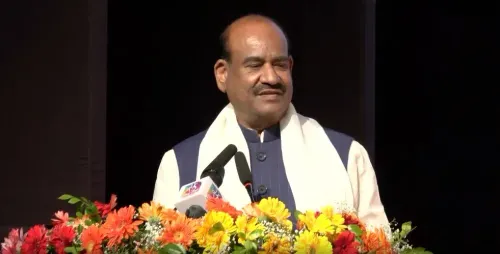
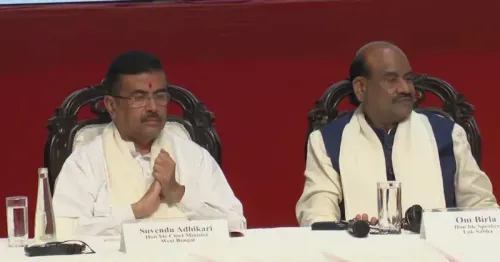
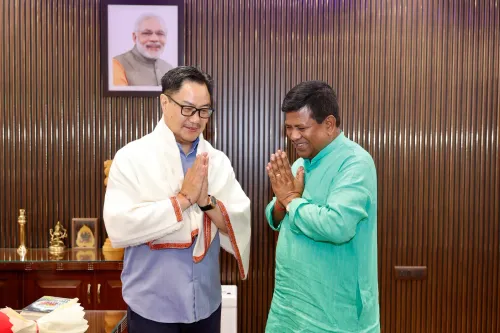
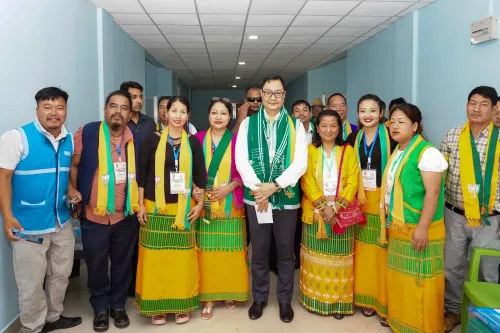
Union Parliamentary Affairs Minister Kiren Rijiju on Friday, 3 July 2026, commended the Orientation Programme held for newly elected members of the West Bengal Legislative Assembly, saying the well-attended session would empower legislators to perform better as lawmakers and raise constituents' issues on the floor of the House.
Context
Rijiju, posting on X, noted that the programme drew strong participation from the newly elected West Bengal MLAs. 'It will definitely help in empowering the MLAs to perform better as lawmakers and raise issues of the people in the House,' he wrote, framing the initiative as a direct investment in legislative effectiveness.
Orientation programmes for freshly elected legislators typically cover rules of procedure, parliamentary devices such as questions, motions and private member bills, and the mechanics of raising constituency grievances within the assembly framework.
Policy Backdrop
The architecture for such training dates to 1976, when the Bureau of Parliamentary Studies and Training (BPST) was established under the Lok Sabha Secretariat. The bureau has since run induction programmes for newly elected MPs and state MLAs after successive election cycles.
The Ministry of Parliamentary Affairs, which Rijiju heads, has periodically supported state-level training initiatives to familiarise legislators with parliamentary practices. Similar programmes were conducted following the 2019 and 2021 election cycles across multiple states, irrespective of which party held power at the centre or in the state concerned.
Stakeholders and Impact
The primary beneficiaries are the newly elected MLAs of the West Bengal Legislative Assembly, a unicameral house responsible for state law-making and executive oversight. Structured post-election training is designed to shorten the learning curve for first-time legislators and to refresh procedural knowledge for returning members.
Stronger procedural grounding among MLAs can translate into more substantive participation during question hour, sharper debates, and more effective use of private member bills — all of which bear directly on the quality of governance that constituents receive. Civil society groups and citizens who engage with their elected representatives also stand to benefit indirectly from a more procedurally competent legislature.
What's Next
Observers will watch whether the orientation translates into measurable improvements in participation rates during the next West Bengal Assembly session — particularly in question hour and committee proceedings. The ministry is also expected to announce or support similar programmes for state legislatures following upcoming assembly elections elsewhere in the country.
Rijiju's public endorsement signals that the centre views legislative capacity-building as a continuing priority, and could prompt other state assemblies to seek similar institutional support from the Ministry of Parliamentary Affairs.
Point of View
Non-partisan function of the Ministry of Parliamentary Affairs. The move fits a broader pattern in which the centre has used training and orientation mechanisms to project cooperative federalism even where electoral rivalry is sharpest. For the BJP, visible engagement with West Bengal's legislature also carries a strategic dimension ahead of the next assembly election cycle. Ultimately, the durability of such initiatives depends on whether state assemblies institutionalise follow-up training rather than treating orientation as a one-off post-election ritual.
NationPress
3 Jul 2026
Frequently Asked Questions
What is the MLA Orientation Programme in West Bengal?
The MLA Orientation Programme is a capacity-building session for newly elected members of the West Bengal Legislative Assembly, covering rules of procedure, parliamentary devices, and methods for raising constituency issues on the floor of the House.
Why did Kiren Rijiju comment on the West Bengal MLA training?
As Union Minister of Parliamentary Affairs, Kiren Rijiju oversees legislative training initiatives and used his post on X to commend the programme's attendance and its potential to strengthen the quality of law-making in West Bengal.
Who organises orientation programmes for newly elected MLAs in India?
The Bureau of Parliamentary Studies and Training (BPST), set up in 1976 under the Lok Sabha Secretariat, has historically run such programmes, with the Ministry of Parliamentary Affairs supporting state-level training initiatives after successive elections.
Is the MLA orientation programme specific to West Bengal?
No. Similar orientation programmes have been conducted for newly elected legislators across multiple states after successive election cycles, irrespective of the ruling party at the centre or in the state.
How does MLA training affect state assembly functioning?
Structured post-election training is intended to improve participation in question hour, sharpen legislative debates, and enable more effective use of parliamentary devices such as private member bills, ultimately improving the quality of state governance.