Anurag Thakur Chairs Panel Meet on Green Steel, RINL Revival
Synopsis
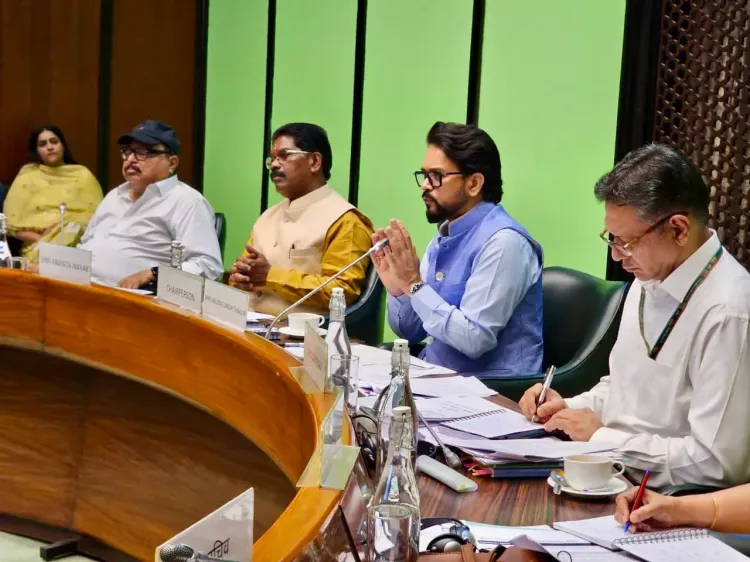
BJP MP Anurag Thakur chaired the Standing Committee on Coal, Mines and Steel on 3 July 2026, reviewing green steel technologies, CCUS initiatives, and RINL's financial and operational revival with the Ministry of Steel and steel PSUs.
Key Takeaways
BJP MP Anurag Thakur chaired the Standing Committee on Coal, Mines and Steel in Parliament on 3 July 2026 .
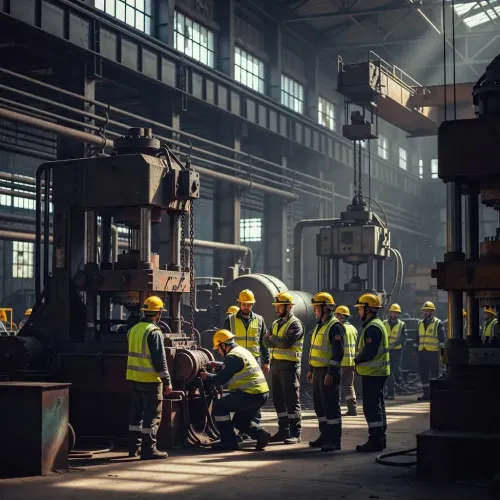
The committee reviewed environmental sustainability measures and green initiatives across steel PSUs, including emission control , waste management, and green steel technologies .
A comprehensive review of RINL (Visakhapatnam Steel Plant) covered financial revival, operational performance, and worker safety reforms .
The panel examined the Green Steel Policy , decarbonisation strategies, and Carbon Capture, Utilisation and Storage (CCUS) initiatives.
India is the world's second-largest steel producer and has committed to net-zero emissions by 2070 under its updated Nationally Determined Contributions.
The committee's report, once tabled in Parliament, will require a formal action-taken reply from the Ministry of Steel.
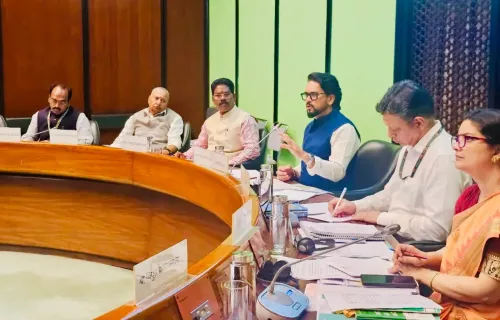
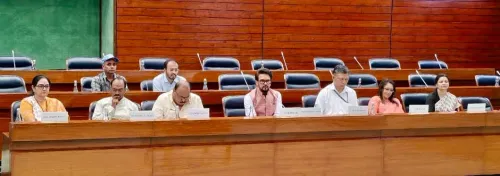
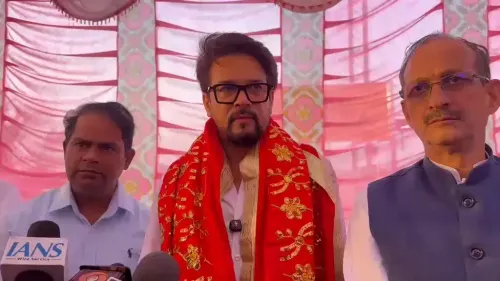
BJP MP Anurag Thakur chaired a sitting of the Standing Committee on Coal, Mines and Steel in Parliament on Friday, 3 July 2026, holding detailed deliberations with the Ministry of Steel on environmental sustainability in steel public sector undertakings and a comprehensive review of Rashtriya Ispat Nigam Limited (RINL)'s financial revival and worker safety.
Context
The committee's agenda covered two broad subjects: environmental and green initiatives across steel PSUs, and a full-spectrum review of RINL — the Navratna PSU that operates the Visakhapatnam Steel Plant in Andhra Pradesh. Representatives from the Ministry of Steel, Steel Authority of India Limited (SAIL), and RINL briefed the committee on ongoing measures.
Thakur said the panel was briefed on 'emission control measures, waste management practices, and green steel technologies being implemented by Steel PSUs to balance rising steel production with environmental responsibility.' The sitting also examined the Green Steel Policy, decarbonisation strategies, and Carbon Capture, Utilisation and Storage (CCUS) initiatives.
Policy Backdrop
India's steel sector sits at the intersection of industrial ambition and climate obligation. The National Steel Policy 2017 set long-term capacity targets while emphasising technology upgradation and environmental compliance. India's updated Nationally Determined Contributions (2022) committed to net-zero emissions by 2070, with steel identified as a priority hard-to-abate sector.
The Steel Scrap Recycling Policy 2019 further pushed circular economy practices to reduce dependence on virgin raw materials and lower the sector's carbon footprint. These policy anchors form the foundation on which the current Green Steel Mission — the government's flagship initiative for low-carbon steel production — is being built.
India is the world's second-largest steel producer, and expanding capacity under the Atmanirbhar Bharat framework while meeting climate commitments made at multilateral forums, including the G20, has made parliamentary oversight of PSU environmental performance increasingly consequential.
Stakeholders and Impact
RINL's review is particularly significant: the Visakhapatnam Steel Plant has faced prolonged financial stress, and the committee's scrutiny of its 'operational performance and worker safety reforms' signals sustained legislative attention to both the enterprise's viability and the welfare of its workforce. SAIL, which operates multiple integrated steel plants across the country, also came under the committee's lens for its green transition measures.
For steel sector workers, the dual focus on financial revival and safety reforms is directly material. For the broader industry, the committee's examination of CCUS pilots and green steel technologies signals the direction in which regulatory and policy pressure is likely to move as India's climate commitments tighten.
What's Next
The committee is expected to table its report in Parliament, after which the Ministry of Steel will be required to submit an action-taken reply. Progress on pilot green steel projects and CCUS demonstration plants will be closely watched as markers of whether policy intent translates into on-ground decarbonisation. The trajectory of RINL's financial turnaround plan will also remain under legislative scrutiny in the sessions ahead.
Point of View
With worker welfare now explicitly part of the oversight frame. The emphasis on CCUS and the Green Steel Mission also tracks India's effort to signal credibility on industrial decarbonisation ahead of multilateral climate reviews. For Anurag Thakur, chairing this committee consolidates a legislative identity around industrial and environmental policy after his tenure in the executive.
NationPress
2 Oct 2026
Frequently Asked Questions
What did the Standing Committee on Coal, Mines and Steel discuss on 3 July 2026?
The committee, chaired by BJP MP Anurag Thakur, held deliberations with the Ministry of Steel on environmental sustainability and green initiatives in steel PSUs, and conducted a comprehensive review of RINL's financial revival, operational performance, and worker safety reforms.
What is India's Green Steel Mission?
The Green Steel Mission is a government initiative under the Ministry of Steel aimed at promoting low-carbon technologies, decarbonisation strategies, and sustainable production practices across India's steel sector.
What is RINL and why is it under review?
RINL, or Rashtriya Ispat Nigam Limited, is a Navratna PSU operating the Visakhapatnam Steel Plant in Andhra Pradesh. It has faced prolonged financial stress, prompting the Parliamentary committee to review its revival plan, operational performance, and worker safety.
What is CCUS and how does it relate to India's steel sector?
CCUS stands for Carbon Capture, Utilisation and Storage — a technology that captures carbon dioxide emissions from industrial processes. The Standing Committee reviewed CCUS initiatives being explored by steel PSUs as part of India's decarbonisation strategy for the hard-to-abate steel sector.
What happens after a Parliamentary Standing Committee holds a review?
After deliberations, the committee tables a report in Parliament. The concerned ministry — in this case the Ministry of Steel — is then required to submit an action-taken reply detailing steps taken on the committee's recommendations.