Anurag Thakur Champions India's Green Push, Cites Modi-Led Initiatives

Synopsis
BJP MP Anurag Thakur on 6 June 2026 invoked India's climate commitments under PM Modi — from the No to Plastic drive and Ek Ped Maa Ke Naam to the 2070 net-zero pledge — urging citizens to embrace the Sanskrit ideal that nature protects those who protect it.
Key Takeaways
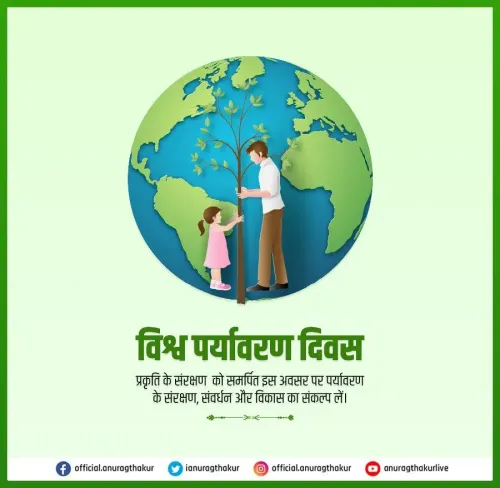
BJP MP Anurag Thakur posted on 6 June 2026 calling nature protection a civilisational duty, citing the Sanskrit maxim प्रकृतिः रक्षति रक्षित: .
He listed four key government-backed initiatives: No to Plastic , Ek Ped Maa Ke Naam , expanded green cover, and clean energy programmes.
India's net-zero by 2070 target was first announced by PM Modi at COP26 in Glasgow in 2021 as part of the five-point Panchamrit strategy.
The single-use plastic ban on identified items came into force from July 2022 under extended producer responsibility rules.
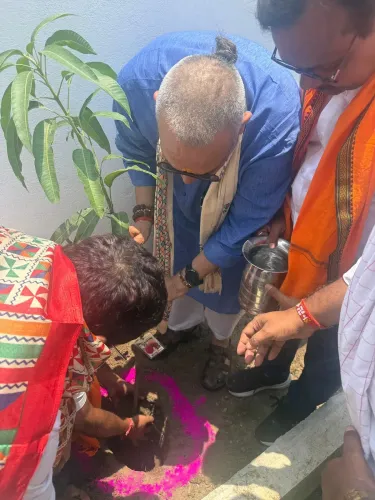
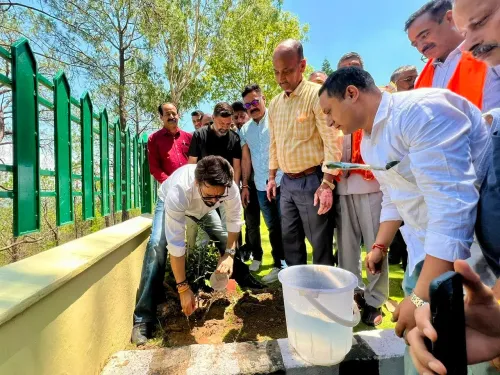
Ek Ped Maa Ke Naam links mass afforestation with a personal emotional appeal, asking citizens to plant saplings in their mothers' names.
The post reflects India's broader LiFE (Lifestyle for Environment) framing, which positions climate action as a cultural and behavioural shift.
BJP MP Anurag Thakur on Saturday, 6 June 2026, invoked India's environmental commitments under Prime Minister Narendra Modi, calling on citizens to treat nature as sacred and adopt the Sanskrit maxim प्रकृतिः रक्षति रक्षित: ('nature protects those who protect it') as a guiding mantra.
Context
In his post on X, the Hamirpur MP listed a cluster of Union Government-backed environmental drives — the 'No to Plastic' campaign, the Ek Ped Maa Ke Naam tree-plantation initiative, expanded green cover, clean energy programmes, and India's headline pledge of net-zero emissions by 2070 — as evidence of meaningful progress toward a greener future. He framed these not merely as policy achievements but as an expression of India's civilisational bond with nature.
The post is a reply on the platform, situating it within an ongoing public conversation about environmental action rather than a standalone announcement. Four other accounts were tagged, though their specific roles in the exchange could not be independently verified.
Policy Backdrop
The initiatives Thakur cited have distinct legislative and diplomatic roots. India's net-zero by 2070 target was announced by Prime Minister Modi at the COP26 summit in Glasgow in 2021, forming part of the five-point Panchamrit strategy that also included a commitment to 500 GW of non-fossil fuel energy capacity by 2030.
On the domestic front, a ban on identified single-use plastics was notified in 2021 and took effect from July 2022, backed by extended producer responsibility rules under the 'No to Plastic' push. Ek Ped Maa Ke Naam, a mass tree-plantation drive that encourages citizens to dedicate saplings to their mothers, was designed to combine afforestation targets with emotional public participation.
These efforts collectively sit under the broader LiFE (Lifestyle for Environment) framework that India introduced at COP27, which sought to reframe climate action as a behavioural and cultural shift rather than a purely technological challenge.
Stakeholders and Impact
The campaigns referenced affect a wide cross-section of stakeholders: Indian citizens are the primary participants in plantation drives and plastic-reduction efforts, while state forest departments bear the administrative weight of scaling and sustaining afforestation outcomes. Industry faces compliance obligations under single-use plastic regulations.
At the international level, India's 2070 net-zero commitment anchors its negotiating position in successive rounds of global climate talks. Domestic progress — or the lack of it — on renewable energy deployment and green cover expansion directly shapes India's credibility in those forums.
What's Next
Progress on the 2070 net-zero roadmap is expected to feature in upcoming Economic Surveys and India's submissions to future COP sessions, with COP31 on the horizon. Independent assessments of tree survival rates under state-level Ek Ped Maa Ke Naam drives will be a key metric for gauging whether the programme's scale translates into lasting green cover. Thakur's post signals that the ruling party intends to keep these environmental narratives prominent in public discourse as India's climate commitments approach their mid-term review milestones.
Point of View
Clean energy, plastic bans — within a cultural and spiritual vocabulary that resonates with a broad Indian electorate. By invoking a Sanskrit aphorism alongside government schemes, the messaging seeks to present environmental stewardship as both a modern governance achievement and a timeless Indian value. This approach has been consistent since the Panchamrit announcement at COP26 and the subsequent LiFE campaign, suggesting a deliberate long-term narrative. As India approaches mid-term reviews of its climate pledges, such statements from senior party figures serve to reinforce political ownership of the green agenda ahead of international scrutiny.
NationPress
21 Oct 2026
Frequently Asked Questions
What is India's net-zero emissions target and when was it announced?
India has committed to achieving net-zero emissions by 2070 . The target was announced by Prime Minister Narendra Modi at the COP26 climate summit in Glasgow in November 2021 , as part of a five-point climate pledge called the Panchamrit strategy.
What is the Ek Ped Maa Ke Naam initiative?
Ek Ped Maa Ke Naam ('One Tree in Mother's Name') is a nationwide tree-plantation drive launched under the Modi government that encourages citizens to plant a sapling and dedicate it to their mothers, combining afforestation goals with an emotional public participation appeal.
What did Anurag Thakur say about the environment on 6 June 2026?
BJP MP Anurag Thakur posted on X on 6 June 2026 highlighting India's environmental strides under PM Modi — including the No to Plastic campaign, Ek Ped Maa Ke Naam, clean energy, and the 2070 net-zero pledge — and urged citizens to adopt the Sanskrit mantra प्रकृतिः रक्षति रक्षित: , meaning 'nature protects those who protect it.'
What is India's No to Plastic campaign?
The No to Plastic campaign is a public awareness and regulatory drive targeting single-use plastics, linked to the Swachh Bharat Mission. A formal ban on identified single-use plastic items was notified in 2021 and came into effect from July 2022 under extended producer responsibility rules.
What is the Panchamrit climate strategy India announced at COP26?
Panchamrit is India's five-point climate commitment announced at COP26 in 2021 . It includes reaching 500 GW of non-fossil fuel energy capacity by 2030 , meeting 50 per cent of energy requirements from renewables by 2030, reducing the carbon intensity of the economy, cutting cumulative carbon emissions by one billion tonnes, and achieving net-zero by 2070 .