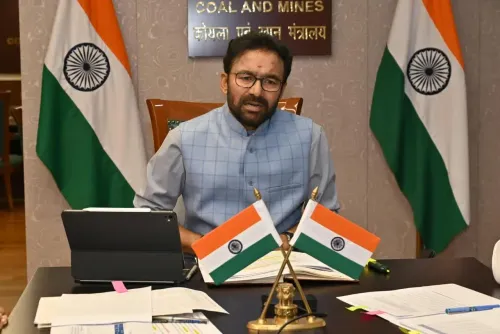
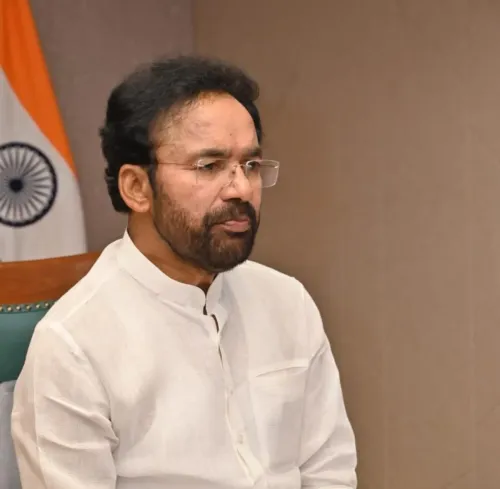
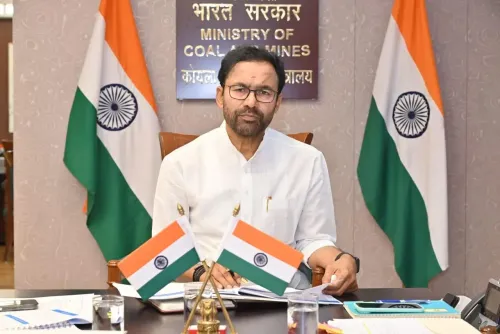
Anurag Thakur Chairs Coal PSU-Private Sector Meet on Aatmanirbhar Bharat
Synopsis
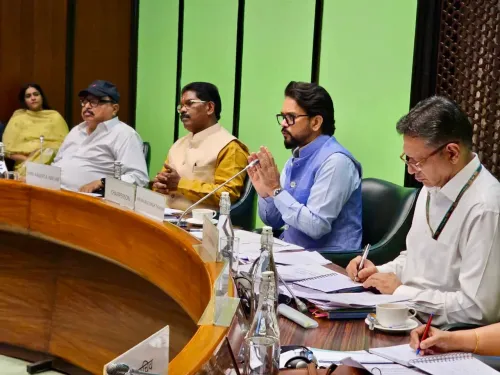
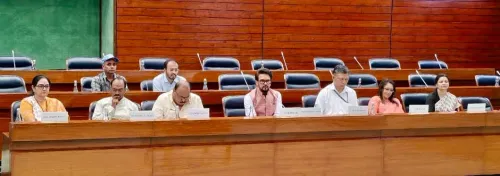
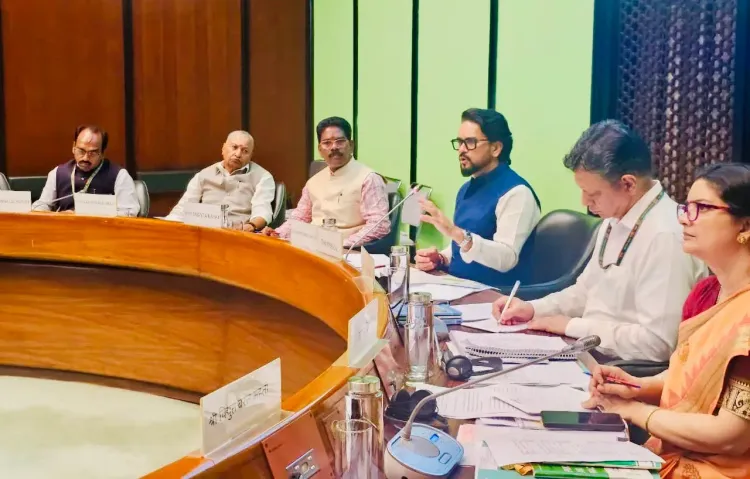
BJP MP Anurag Thakur on 28 July 2026 chaired deliberations on coal and lignite companies' role in Aatmanirbhar Bharat, with Coal India, BCCL and private players Adani, JSW and JSPL discussing production, technology and energy security.
Key Takeaways
Anurag Thakur chaired a structured two-part session on coal's role in Aatmanirbhar Bharat on 28 July 2026 .
The Ministry of Coal , Coal India Limited , and BCCL presented oral evidence on production and self-reliance initiatives.
Private-sector majors Adani Group , JSW Steel , and JSPL participated in a dedicated interaction on collaboration and technology adoption.
Discussions focused on increasing domestic coal output to reduce import dependence and strengthen energy security.
The session reflects policy momentum since 2020 , when commercial coal mining was opened to private players under Aatmanirbhar Bharat reforms.
Follow-up coal production data and any committee report will indicate whether the deliberations yield concrete policy outcomes.
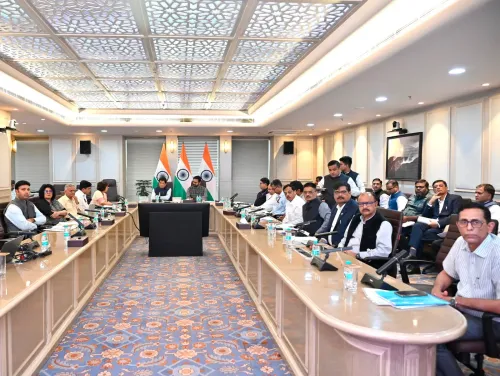
BJP MP Anurag Thakur chaired detailed deliberations on the role of coal and lignite companies in advancing Aatmanirbhar Bharat on Tuesday, 28 July 2026. The session brought together the Ministry of Coal, public-sector undertakings including Coal India Limited (CIL) and Bharat Coking Coal Limited (BCCL), and private-sector majors Adani Group, JSW Steel, and Jindal Steel and Power Limited (JSPL).
Context
The deliberations were structured in two parts. In the first segment, the Ministry of Coal along with CIL, BCCL, and other coal PSUs presented oral evidence on initiatives for boosting production, energy security, and self-reliance. The second segment involved an extensive interaction with the private sector, focusing on collaboration, technology adoption, and increasing domestic coal output.
Thakur described the discussions as 'aimed at strengthening the coal ecosystem to support India's energy security and economic growth.' The format — oral evidence followed by private-sector dialogue — mirrors the working style of a parliamentary standing committee or a high-level consultative body convened to assess sectoral readiness.
Policy Backdrop
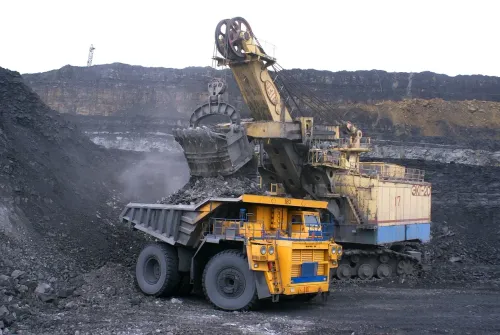
The Aatmanirbhar Bharat programme, announced in May 2020, placed explicit emphasis on reducing India's dependence on energy imports, with coal identified as a strategic sector. In the same year, commercial coal mining was opened to private players through competitive auctions — a landmark shift away from the decades-long near-monopoly of Coal India Limited, the world's largest coal producer and a Maharatna PSU.
Since those reforms, successive policy cycles have pushed for higher domestic output to cushion thermal power generation against import-price volatility. The involvement of BCCL — a CIL subsidiary specialising in coking coal critical to the steel industry — alongside steel conglomerates JSW and JSPL signals a particular focus on raw-material security for the metals sector, which has historically relied on imported coking coal.
Stakeholders and Impact
Coal India Limited accounts for the bulk of India's domestic coal output, making its production targets central to the country's power-generation calculus. Adani Group operates private mines and power assets and has been an active participant in commercial coal mining auctions since 2020. JSW Steel and JSPL both hold coal blocks and have captive requirements that tie their production costs directly to domestic coal availability.
For the broader economy, higher domestic coal output can reduce the import bill and stabilise input costs for power and steel — two sectors that underpin industrial growth. Technology adoption, flagged as a key discussion theme, points toward mechanisation and efficiency improvements in mining operations, areas where private players have often moved faster than PSUs.
What's Next
Follow-up indicators to watch include the Ministry of Coal's next production and import data releases, which will show whether PSU output targets are being met. Any formal parliamentary committee report or policy circular emerging from these deliberations would signal whether the discussions translate into binding recommendations or revised production mandates.
With India's energy security remaining a long-term strategic priority, the alignment of public and private coal producers under a single consultative framework suggests that coordinated output planning — rather than parallel, siloed efforts — may become a more prominent feature of sector governance going forward.
Point of View
While the inclusion of technology adoption as a discussion theme signals awareness that output gains alone will not meet long-term demand. The presence of steel-sector players alongside coal PSUs points to an integrated supply-chain logic — securing coking coal domestically to reduce vulnerability in the metals industry. Whether these deliberations produce binding recommendations or remain consultative will determine their place in India's coal-reform trajectory.
NationPress
26 Oct 2026
Frequently Asked Questions
What was the purpose of Anurag Thakur's coal sector meeting on 28 July 2026?
The meeting was convened to deliberate on the role of coal and lignite companies in advancing Aatmanirbhar Bharat, covering production targets, energy security, and collaboration between public and private sector players.
Which companies participated in the coal deliberations chaired by Anurag Thakur?
The participants included Coal India Limited, Bharat Coking Coal Limited, and other coal PSUs on the public side, and Adani Group, JSW Steel, and Jindal Steel and Power Limited from the private sector.
What is Aatmanirbhar Bharat's connection to the coal sector?
The Aatmanirbhar Bharat programme, launched in May 2020, prioritised reducing India's energy import dependence, and opened commercial coal mining to private players through auctions as a key reform measure.
Why is domestic coal production important for India's steel industry?
Steel producers such as JSW and JSPL depend on coking coal as a raw material; higher domestic availability reduces their reliance on costly imports and stabilises production costs.
What should we watch after this coal sector deliberation?
Key indicators include the Ministry of Coal's next production and import data releases and any formal policy circular or parliamentary committee report that may emerge from these discussions.