Rijiju Backs Swachh Bharat, Flags Swachhata Hi Seva Drive
Synopsis
Union Parliamentary Affairs Minister Kiren Rijiju amplified the Swachh Bharat and Swachhata Hi Seva campaigns on 6 June 2026 with a video post on X, reflecting the BJP-led government's sustained cross-ministerial push to keep sanitation and civic hygiene at the forefront of national discourse.
Key Takeaways
Kiren Rijiju , Union Parliamentary Affairs and Minority Affairs Minister, posted on X on 6 June 2026 supporting the Swachh Bharat and Swachhata Hi Seva campaigns.
The post included a video , adding audio-visual reach to the sanitation messaging.
The Swachh Bharat Mission was launched by PM Narendra Modi on 2 October 2014 , targeting Open Defecation Free status by 2019 .
The Swachhata Hi Seva annual campaign has run since 2017 , mobilising citizens and local bodies for community cleanliness drives.
Cross-ministerial amplification of the campaign is a deliberate BJP government communications strategy, projecting sanitation as a whole-of-government priority.
The next major Swachhata Hi Seva mobilisation window is expected around Gandhi Jayanti, 2 October .
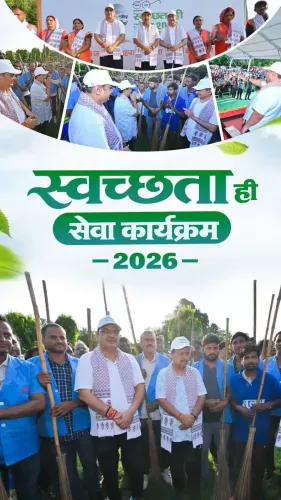
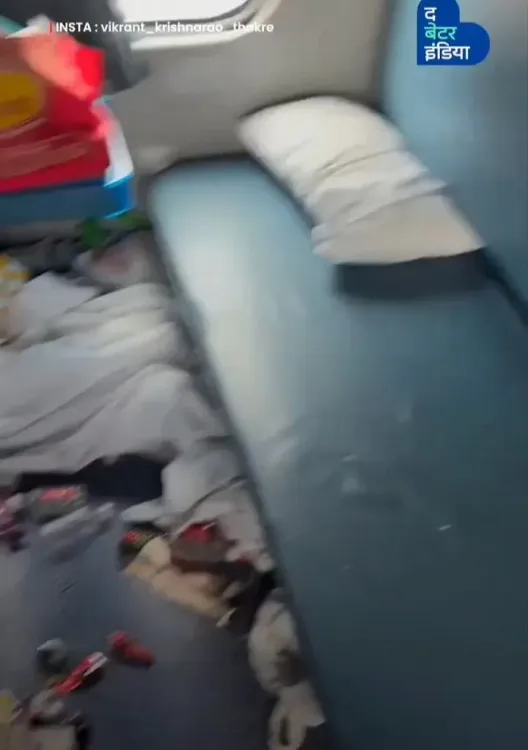
Union Parliamentary Affairs Minister Kiren Rijiju on Saturday, 6 June 2026 took to X to amplify the Swachh Bharat and Swachhata Hi Seva campaigns, lending cross-ministerial visibility to the government's flagship sanitation initiative. The post, carrying the hashtags #SwachhBharat and #SwachhataHiSeva, was accompanied by a video, underscoring the BJP-led government's continued push for public participation in cleanliness drives.
Context
The Swachh Bharat Mission was launched by Prime Minister Narendra Modi on 2 October 2014 as a mass behavioural-change programme aimed at eliminating open defecation and improving solid waste management across India. The mission set an Open Defecation Free (ODF) target for the country by 2019, covering both urban and rural geographies. It remains one of the most high-profile welfare and public-health programmes undertaken by the central government in recent decades.
The Swachhata Hi Seva campaign was introduced in 2017 as an annual community-mobilisation drive to sustain the momentum built under the parent mission. It typically draws participation from citizens, urban local bodies, and government officials across ministries, reinforcing cleanliness as a shared civic responsibility rather than a departmental mandate.
Policy Backdrop
Sanitation and hygiene promotion have remained core communications priorities for the BJP-led central government since 2014, with ministers across portfolios routinely amplifying Swachh Bharat messaging on social media. Rijiju, whose ministerial responsibilities span Parliamentary Affairs and Minority Affairs, joins a broad cross-ministerial chorus that projects cleanliness as a unifying national development objective. This pattern of whole-of-government amplification is deliberate — it signals that sanitation is not siloed within any single ministry but is treated as a shared governance commitment.
The Ministry of Housing and Urban Affairs and the Jal Shakti Ministry are the primary custodians of ODF sustainability data and urban sanitation infrastructure targets. Periodic data releases from these ministries have tracked toilet construction, waste-processing capacity, and behavioural compliance metrics since the mission's inception.
Stakeholders and Impact
Indian citizens and urban local bodies are the principal stakeholders in the Swachh Bharat ecosystem, bearing responsibility for both infrastructure upkeep and day-to-day cleanliness behaviour. Annual campaigns such as Swachhata Hi Seva are designed to re-energise voluntary participation and prevent complacency in areas that have already achieved ODF certification. Senior ministers amplifying the campaign on social media extends its reach to politically engaged audiences who may then participate in or promote local cleanliness drives.
The video attached to Rijiju's post adds an audio-visual dimension that typically generates higher engagement than text-only posts, potentially broadening awareness of the campaign among his followers and beyond.
What's Next
The next major Swachhata Hi Seva mobilisation window conventionally falls around Gandhi Jayanti on 2 October, when large-scale shramdaan (voluntary labour) events are organised nationwide. Observers will watch whether the Ministry of Housing and Urban Affairs or the Jal Shakti Ministry releases fresh ODF sustainability or sanitation coverage data in the coming weeks. Continued cross-ministerial social media activity through the year suggests the government intends to keep sanitation visible as a governance priority well beyond the annual campaign calendar.
Point of View
Reinforcing it as a pan-government identity marker rather than a departmental programme. The video attachment signals an effort to maximise engagement beyond the usual text-and-hashtag amplification. Coming in early June, outside the traditional September-October campaign window, the post may indicate an intent to sustain year-round visibility for the sanitation agenda ahead of the next formal Swachhata Hi Seva cycle. For the BJP, Swachh Bharat remains a durable political and developmental asset — one that links governance delivery to mass civic participation.
NationPress
21 Oct 2026
Frequently Asked Questions
What is Swachhata Hi Seva and when does it take place?
Swachhata Hi Seva is an annual nationwide cleanliness campaign launched in 2017 under the Swachh Bharat Mission, typically held around Gandhi Jayanti on 2 October, encouraging voluntary public participation in community hygiene drives.
What did Kiren Rijiju post about Swachh Bharat?
On 6 June 2026, Kiren Rijiju posted on X using the hashtags #SwachhBharat and #SwachhataHiSeva along with a video, amplifying the government's flagship sanitation campaign.
When was Swachh Bharat Mission launched and by whom?
The Swachh Bharat Mission was launched by Prime Minister Narendra Modi on 2 October 2014 with the goal of making India Open Defecation Free and improving solid waste management nationwide.
Why do ministers outside the sanitation portfolio promote Swachh Bharat?
The BJP-led central government treats Swachh Bharat as a whole-of-government priority, with ministers across portfolios amplifying the campaign on social media to project cleanliness as a shared national development objective rather than a single-ministry responsibility.
What is Kiren Rijiju's role in the Indian government?
Kiren Rijiju is the Union Minister of Parliamentary Affairs and Minister of Minority Affairs, and is a senior BJP leader from Arunachal Pradesh.