Rijiju calls Sibal 'dimagi Naxal', targets Rahul Gandhi
Synopsis
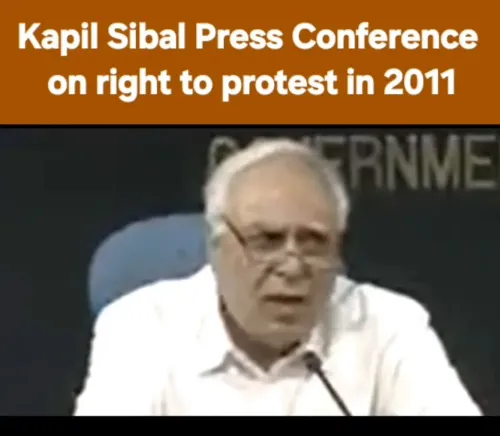
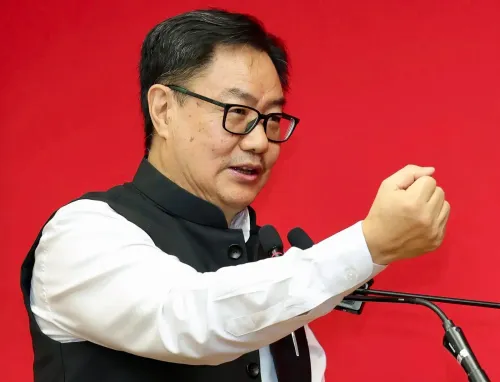
Union Parliamentary Affairs Minister Kiren Rijiju labelled Kapil Sibal a 'dimagi Naxal' while praising him for exposing Congress and allegedly tearing Rahul Gandhi 'to shreds' — a sharp BJP salvo exploiting a senior opposition figure's public candour.
Key Takeaways
Kiren Rijiju posted a combative Hindi-English attack on 29 October 2026 targeting Congress and Rahul Gandhi .
He called Kapil Sibal a 'dimagi Naxal' (intellectual Naxal) while crediting him for 'exposing' Congress.
Rijiju alleged Sibal 'tore Rahul Gandhi to shreds' — though the specific Sibal statement is unverified.
Sibal, a former Congress minister, had co-signed the G-23 letter in 2020 demanding party reforms before eventually leaving Congress.
No formal response from Congress or Sibal had been issued at the time of publication.
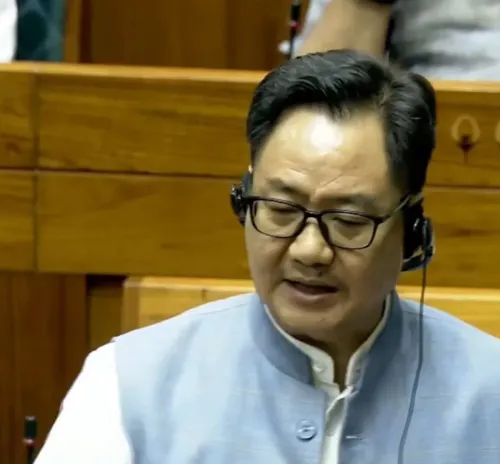
A sharp political grenade landed on Thursday evening when Union Parliamentary Affairs Minister Kiren Rijiju turned a statement by veteran lawyer-politician Kapil Sibal into an all-out attack on the Congress party — and on Rahul Gandhi personally.
Rijiju posted in a mix of Hindi and English, calling Sibal a 'dimagi Naxal' — 'an intellectual Naxal' — while simultaneously crediting him as someone who is 'very skilled at exposing the Congress party.' The minister alleged that Sibal 'has torn Rahul Gandhi to shreds,' and signed off with a sardonic flourish: 'Now, Congress Party and Cockroaches will listen to the advice of their Legal Guru.'
Sibal, the Congress, and a long history of uncomfortable candour
Kapil Sibal is no ordinary critic. A senior Supreme Court advocate and former Union Minister who held the Law and Telecom portfolios during successive UPA governments, Sibal spent decades as one of Congress's most prominent public faces before parting ways with the party. His departures, public disagreements, and subsequent commentary have periodically gifted the BJP ready ammunition against its principal opponent.
Sibal had floated the grouping known as G-23 — a cluster of senior Congress leaders who wrote to party president Sonia Gandhi demanding structural reforms and internal elections. That letter, sent in 2020, cracked open questions about leadership accountability that the party never fully answered in public. Sibal eventually left Congress and was elected to the Rajya Sabha with Samajwadi Party support.
The BJP's 'own-goal' playbook
Rijiju's post fits a well-worn BJP communications strategy: amplify Congress dissenters, then frame the dissent as a verdict on the party's leadership. By labelling Sibal a 'dimagi Naxal' — a phrase the BJP has deployed against intellectuals it considers subversive — while simultaneously praising his critique, the minister threads a pointed rhetorical needle. The insult and the endorsement are delivered in the same breath.
The specific statement by Sibal that triggered Rijiju's post on 29 October 2026 has not been independently verified at the time of publication. But the political dynamic it illustrates is familiar: every time a heavyweight from Congress's own ecosystem delivers a pointed public critique of the party or its leadership, the ruling establishment ensures it does not pass quietly.
Congress has not yet issued a formal response to Rijiju's post. Whether Sibal himself weighs in — or whether the party chooses to absorb the moment in silence — will shape how this episode lands in the next news cycle.
Point of View
The BJP maximises the damage: the 'dimagi Naxal' label fires up the base while the endorsement of Sibal's critique lands with swing audiences. The episode also underlines how Congress's unresolved leadership questions — first surfaced publicly by the G-23 in 2020 — continue to provide political fodder years later. The party's silence in the immediate aftermath risks allowing the BJP's framing to dominate the news cycle unchallenged.
NationPress
29 Oct 2026
Frequently Asked Questions
What did Kiren Rijiju say about Kapil Sibal?
Rijiju called Sibal a 'dimagi Naxal' (intellectual Naxal) on 29 October 2026, while simultaneously praising him for allegedly exposing the Congress party and attacking Rahul Gandhi.
Who is Kapil Sibal and why does he matter to Congress?
Kapil Sibal is a senior Supreme Court advocate and former Congress minister who co-signed the G-23 reform letter in 2020 and later left Congress, making his periodic criticism of the party politically significant.
What is the G-23 letter that Sibal signed?
In 2020, a group of 23 senior Congress leaders including Sibal wrote to party president Sonia Gandhi demanding internal elections and structural reforms; it became a landmark moment of public dissent within the party.
Has Congress responded to Rijiju's post?
No formal response from the Congress party or from Kapil Sibal had been issued at the time of publication.
What does 'dimagi Naxal' mean in Indian political discourse?
'Dimagi Naxal' roughly translates to 'intellectual Naxal' and is a phrase used by BJP leaders to describe individuals they consider ideologically subversive or disruptive to mainstream institutions.