CM Dhami Extends Karwa Chauth Greetings to Uttarakhand
Synopsis
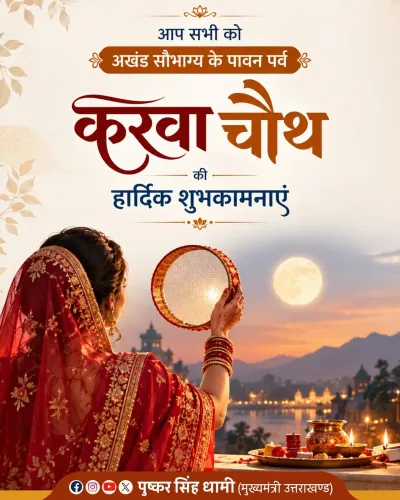
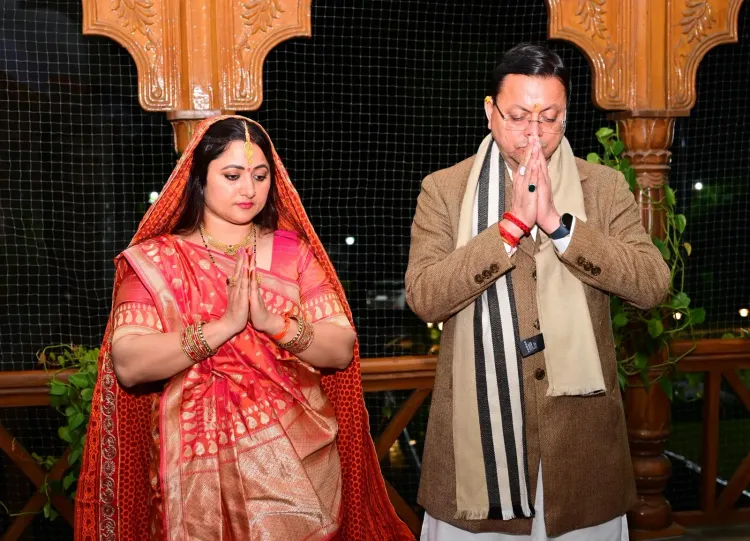
Uttarakhand Chief Minister Pushkar Singh Dhami marked Karwa Chauth on 29 October 2026 with a heartfelt message calling the festival an integral part of India's rich cultural heritage and praying for happiness and prosperity for all.
Key Takeaways
Uttarakhand CM Pushkar Singh Dhami posted Karwa Chauth greetings on 29 October 2026 .
He described Karwa Chauth as an 'integral part of India's rich cultural heritage' reflecting marital intimacy, mutual respect, and trust.
The CM prayed for happiness, peace, good fortune, and prosperity for all celebrants.
Karwa Chauth is observed by married women in North India, who fast for their husbands' well-being until moonrise.
Festival greetings form a consistent part of CM Dhami's public outreach, aligned with the BJP's emphasis on Hindu cultural identity.
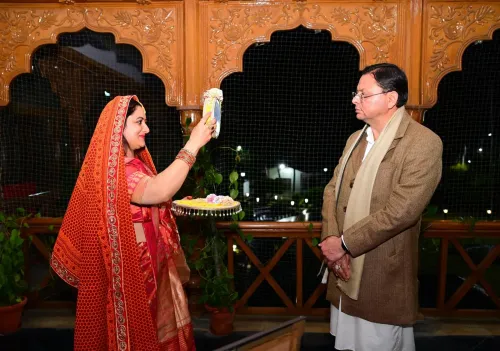
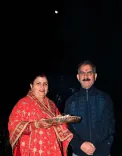
On the occasion of Karwa Chauth, Uttarakhand Chief Minister Pushkar Singh Dhami extended warm wishes to married couples across the state, describing the festival as an inseparable part of India's rich cultural heritage.
In his message posted on Thursday, 29 October 2026, CM Dhami wrote: 'करवा चौथ हमारी समृद्ध सांस्कृतिक विरासत का अभिन्न अंग है' — 'Karwa Chauth is an integral part of our rich cultural heritage' — adding that the festival reflects the intimacy, mutual respect, and trust at the heart of married life. He offered a prayer that the auspicious occasion bring happiness, peace, good fortune, and prosperity to all.
What Karwa Chauth marks — and why it matters in North India
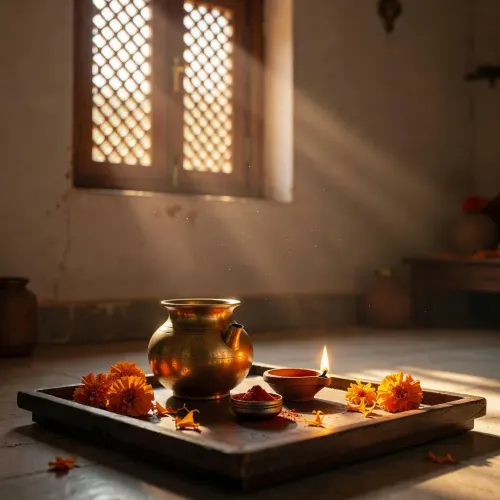
Karwa Chauth is a traditional Hindu festival observed primarily by married women across North India, including Uttarakhand. Women fast through the day — from before sunrise until the moonrise — for the well-being and long life of their husbands, breaking the fast only after sighting the moon and seeking their husband's blessing. The ritual carries deep emotional and social significance in the region's cultural calendar.
The festival draws participation from families in both the hill districts and the plains of Uttarakhand, making it one of the more widely observed occasions in the state's Hindu calendar.
Dhami's cultural outreach as a pattern of governance
Chief ministers across India routinely mark major regional festivals with public greetings — a practice that reinforces cultural continuity and broad public goodwill. For CM Dhami, such messaging has been a consistent part of his public communication, reflecting the BJP's emphasis on Hindu cultural identity as a thread running through its governance and outreach in the hill state.
The message carries no direct policy announcement, but it signals the administration's attentiveness to the social and religious rhythms that define daily life for millions of families in Uttarakhand.
For the households observing the fast today, the Chief Minister's words land as an acknowledgement — that the rituals binding families together are seen and honoured at the highest level of state leadership.
Point of View
High reach, zero controversy. For the BJP in Uttarakhand, festivals are not merely occasions but governance touchpoints that reinforce the party's self-positioning as a custodian of Hindu cultural life. The consistency of such outreach across chief ministers of all parties reflects how deeply festivals are embedded in the political communication playbook. What distinguishes Dhami's messaging is its framing around family values and social cohesion — themes that double as soft ideological signals without requiring any policy commitment.
NationPress
30 Oct 2026
Frequently Asked Questions
What did CM Dhami say on Karwa Chauth 2026?
CM Pushkar Singh Dhami called Karwa Chauth an integral part of India's rich cultural heritage and prayed for happiness, peace, good fortune, and prosperity for all celebrating families.
When is Karwa Chauth 2026?
Karwa Chauth in 2026 falls on Thursday, 29 October , as reflected in CM Dhami's greetings posted that evening.
What is Karwa Chauth and how is it observed?
Karwa Chauth is a traditional Hindu festival in which married women fast from before sunrise until the moonrise, praying for their husbands' long life and well-being. It is widely observed across North India, including Uttarakhand.
Why do Indian politicians post festival greetings?
Festival greetings are a standard practice among Indian political leaders to affirm cultural continuity, build public goodwill, and signal attentiveness to the social and religious rhythms that matter to their constituents.
Is Karwa Chauth a public holiday in Uttarakhand?
Karwa Chauth is not a gazetted public holiday in Uttarakhand but is one of the most widely observed festivals among Hindu families in the state's plains and lower hill regions.