CM Dhami: India advancing cultural heritage revival under PM Modi
Synopsis
The Uttarakhand Chief Minister's Office on 21 July 2026 quoted CM Pushkar Dhami saying India is advancing rapidly in cultural heritage preservation under PM Modi, with heritage sites being integrated with modern facilities — reinforcing the central government's PRASAD and Swadesh Darshan policy framework.
Key Takeaways
CM Pushkar Dhami stated that India is rapidly advancing in the preservation and renaissance of its cultural heritage under PM Narendra Modi's leadership.
The statement emphasises the integration of heritage sites with modern facilities as a defining feature of this approach.
Uttarakhand is home to the Char Dham circuit — one of India's most significant pilgrimage and heritage tourism destinations.
The central government's PRASAD scheme and Swadesh Darshan scheme , both launched in 2014-15 , provide the policy backbone for heritage-linked infrastructure upgrades.
The statement reinforces Uttarakhand's positioning as a flagship state for the convergence of cultural conservation and modern tourism infrastructure.
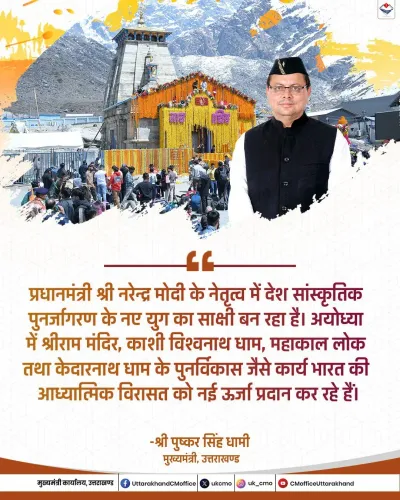
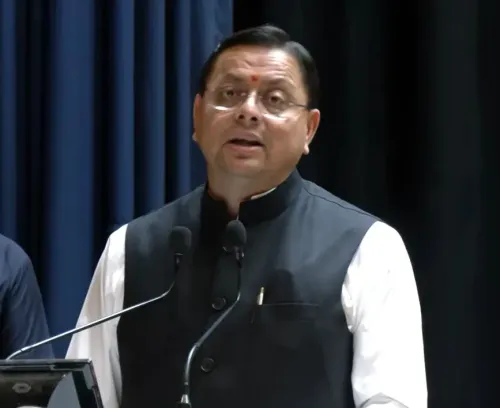
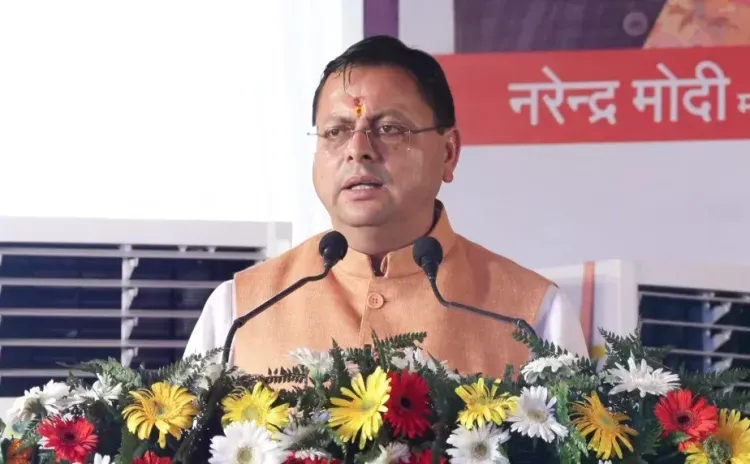
The Chief Minister's Office of Uttarakhand on Tuesday, 21 July 2026 shared a statement attributed to Chief Minister Pushkar Singh Dhami, asserting that India is rapidly advancing in the preservation and renaissance of its cultural heritage under the leadership of Prime Minister Narendra Modi, and that the country's heritage is now being integrated with modern facilities.
Context
The statement, posted by the official CMO account, quotes CM Dhami as saying: 'Aadaraniya Pradhanmantri Shri Narendra Modi ji ke netritva mein Bharat apni sanskritik virasat ke sanrakshan aur punarnirman ke vishay mein teji se aage badh raha hai' — ('Under the respected leadership of Prime Minister Shri Narendra Modi, India is rapidly advancing in the preservation and renaissance of its cultural heritage. Today, our heritage is being connected with modern facilities.')
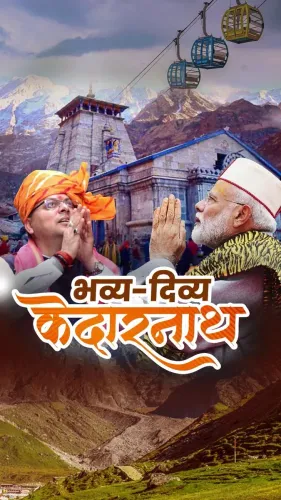
Uttarakhand occupies a central place in India's cultural and religious landscape, home to the Char Dham pilgrimage circuit — comprising Badrinath, Kedarnath, Gangotri, and Yamunotri — which draws millions of pilgrims and heritage tourists annually.
Policy Backdrop
The remarks align with a consistent policy direction pursued by the central government since 2014, which has sought to integrate conservation of India's tangible and intangible heritage with contemporary infrastructure and digital tools. Two flagship schemes underpin this approach: the PRASAD scheme (Pilgrimage Rejuvenation and Spiritual, Heritage Augmentation Drive), launched in 2014-15 by the Ministry of Tourism, which funds the upgrade of amenities at pilgrimage destinations, and the Swadesh Darshan scheme, also introduced in 2014-15, which develops thematic tourist circuits with a strong emphasis on spiritual and cultural heritage sites.
Both schemes have been operationalised across multiple states, with Uttarakhand among the primary beneficiaries given its density of heritage and pilgrimage sites. The broader national framework positions India's cultural assets as simultaneous drivers of identity, soft power, and economic activity through religious and heritage tourism.
Stakeholders and Impact
The principal beneficiaries of this policy convergence are pilgrims and heritage tourists who visit Uttarakhand's religious and cultural sites. Improved infrastructure — including road connectivity, sanitation, digital access, and visitor facilities — directly affects the quality and safety of the pilgrimage experience for crores of devotees each year.
Local economies in hill districts surrounding heritage sites also stand to gain from increased tourist footfall and improved connectivity. State-level statements such as this one from the CMO signal continued political commitment to channelling central scheme funds toward Uttarakhand's heritage destinations.
What's Next
Observers will watch for the rollout of further infrastructure upgrades at Char Dham and other Uttarakhand heritage sites under central schemes, as well as any new provisions in forthcoming national budget allocations for heritage-linked tourism. CM Dhami's public alignment with the Prime Minister's cultural heritage agenda also suggests the state government will continue to position Uttarakhand as a model for the integration of tradition and modernity — a framing that carries both policy and political salience ahead of future electoral cycles.
Point of View
A state whose economic identity is inseparable from religious tourism, such statements carry practical policy weight: they signal continued lobbying for central scheme funds and infrastructure investment at Char Dham and allied sites. The timing and frequency of such CMO posts also suggest an effort to maintain the state's visibility within the national cultural heritage discourse.
NationPress
20 Oct 2026
Frequently Asked Questions
What did CM Pushkar Dhami say about cultural heritage in India?
CM Dhami stated that under PM Narendra Modi's leadership, India is rapidly advancing in the preservation and renaissance of its cultural heritage, and that heritage sites are being integrated with modern facilities.
What is the PRASAD scheme and how does it relate to Uttarakhand?
The PRASAD scheme, launched in 2014-15 by the Ministry of Tourism, funds the development of modern amenities at pilgrimage and heritage destinations. Uttarakhand, home to the Char Dham circuit, is among the key beneficiary states.
Which heritage sites in Uttarakhand benefit from central government schemes?
The Char Dham circuit — comprising Badrinath, Kedarnath, Gangotri, and Yamunotri — is the primary focus of heritage and pilgrimage infrastructure development under schemes such as PRASAD and Swadesh Darshan.
What is the Swadesh Darshan scheme?
Swadesh Darshan, introduced in 2014-15, is a central government scheme that develops thematic tourist circuits across India, with a strong emphasis on spiritual and cultural heritage sites including those in Uttarakhand.
Why is Uttarakhand significant for India's cultural heritage policy?
Uttarakhand houses some of India's most revered pilgrimage sites, including the Char Dham circuit, making it a focal point for central government schemes that seek to combine heritage conservation with modern tourism infrastructure.