Rijiju Marks Diwali as Symbol of Peace in Tribal Regions
Synopsis
Union Minister Kiren Rijiju framed Diwali 2026 as a symbol of peace over violence, highlighting PM Modi and Security Forces celebrating the festival alongside tribal communities — a message rooted in Northeast India's intersection of culture, security, and development.
Key Takeaways
Union Minister Kiren Rijiju posted on November 9, 2026 describing Diwali as a symbol of 'the Triumph of peace over violence.' PM Narendra Modi and Indian Security Forces were cited as celebrating Diwali and paying respect to tribal culture.
Rijiju is a senior BJP leader from Arunachal Pradesh , a border state with deep tribal traditions and a history of insurgency-related security presence.
The post reflects a consistent Northeast BJP communication pattern linking major festivals to peace, development, and tribal cultural respect.
Security Forces in the Northeast have long participated in local cultural events as part of community outreach alongside operational roles.
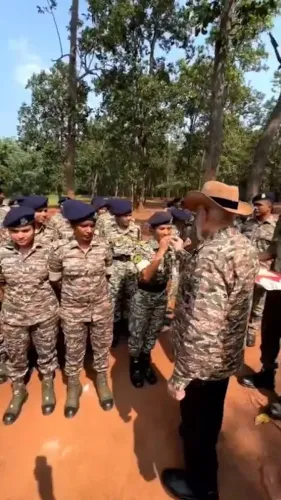
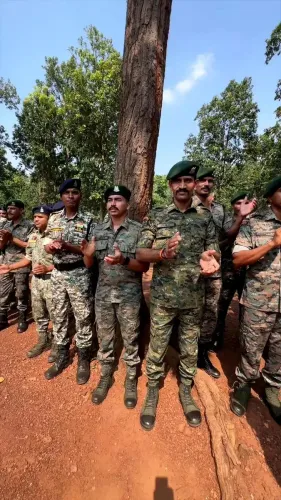
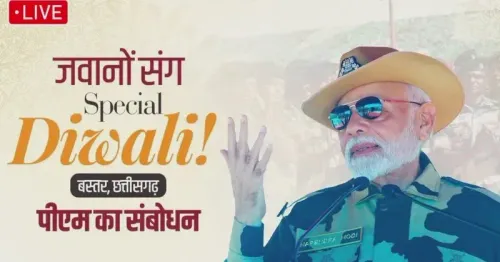
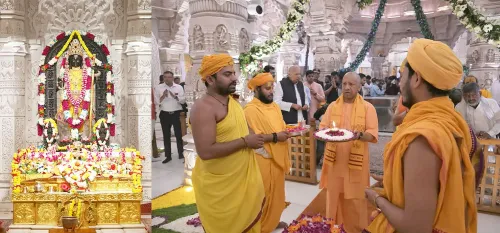
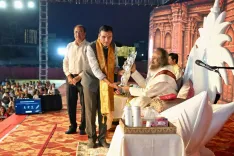
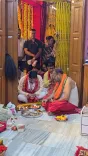
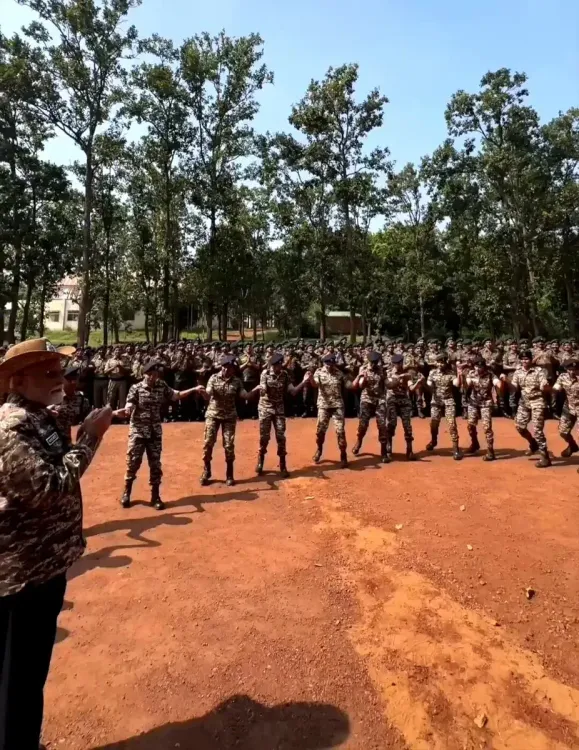
When a festival of lights carries the weight of a ceasefire, something larger than celebration is being marked. On Monday, November 9, 2026, Union Parliamentary Affairs and Minority Affairs Minister Kiren Rijiju shared a Diwali message that framed the festival not merely as a cultural occasion but as a living emblem of hard-won peace — spotlighting Prime Minister Narendra Modi and India's Security Forces marking the occasion alongside tribal communities.
Rijiju wrote that 'this Diwali celebration symbolizes the Triumph of peace over violence,' adding that the Prime Minister and Security Forces are 'celebrating the dawn of peace and development and also paying respect to the Tribal culture.' The language is deliberate. For a senior BJP leader from Arunachal Pradesh — a state where decades of insurgency and border sensitivity have shaped daily life — invoking Diwali as a peace milestone carries unmistakable political and emotional freight.
Where Festival Meets Frontier
India's northeastern borderlands have long seen Diwali observed in a very different register from the urban spectacle of fireworks and sweets. Security Forces deployed in counter-insurgency and border-management roles have participated in local festivals for years as part of a broader 'hearts and minds' strategy — a recognition that sustained peace requires cultural proximity, not just operational presence. Rijiju's post places that tradition front and centre.
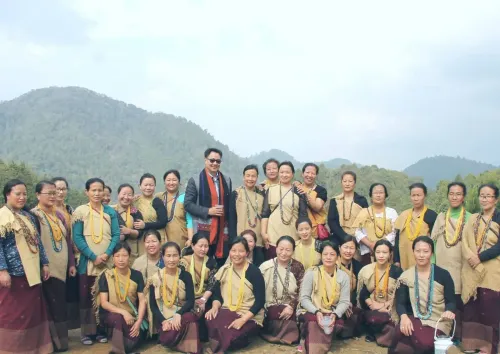
The reference to tribal culture is equally pointed. Arunachal Pradesh is home to dozens of distinct tribal communities whose traditions sit alongside but are distinct from mainstream Hindu festival calendars. Senior BJP voices from the region, including Rijiju, have consistently worked to signal that national festivals like Diwali can be inclusive spaces — celebrations that honour, rather than erase, indigenous cultural identity.
Modi's Festival Diplomacy in Border States
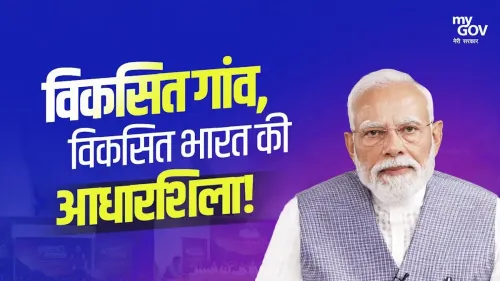
Prime Minister Modi has made a practice of spending or publicly acknowledging major festivals in border regions or with Security Forces — a pattern that blends symbolic solidarity with political messaging around national integration and development. When the country's highest-ranking leaders celebrate Diwali on the frontier, the visual communicates continuity of state presence and care in areas historically marked by neglect or conflict.
Rijiju's framing — 'dawn of peace and development' — echoes the government's stated doctrine for the Northeast: that infrastructure, cultural respect, and security must move in tandem. It is a message aimed as much at tribal constituencies in border states as at any national audience.
The lights this Diwali, at least in Rijiju's telling, are not just decorative. They illuminate a road that security and culture are walking together — and the government wants that image seen clearly.
Point of View
The message reinforces the government's claim that peace and development are actively being delivered at the frontier, not merely promised. The 'peace over violence' framing also signals ongoing sensitivity around the Northeast's insurgency legacy, where such language carries real resonance with local electorates. As the Winter Session of Parliament approaches, expect tribal welfare and border development to surface as BJP talking points.
NationPress
9 Nov 2026
Frequently Asked Questions
What did Kiren Rijiju say about Diwali 2026?
Rijiju said the Diwali celebration 'symbolizes the Triumph of peace over violence,' noting that PM Modi and Security Forces are celebrating the dawn of peace and development while paying respect to tribal culture.
Why is Diwali significant in Northeast India's tribal regions?
In northeastern border states like Arunachal Pradesh, Diwali is observed alongside distinct tribal traditions. The government has used the festival to signal cultural inclusion and the progress of peace initiatives in areas historically affected by insurgency.
What is Kiren Rijiju's role in the Indian government?
Kiren Rijiju is the Union Minister of Parliamentary Affairs and Minister of Minority Affairs, and a senior BJP leader from Arunachal Pradesh — giving him a prominent voice on Northeast and tribal affairs.
How have Security Forces been involved in Diwali celebrations in border states?
Indian Security Forces deployed in border and tribal regions have participated in local festivals as part of community outreach efforts, aiming to build trust alongside their operational roles in counter-insurgency and border management.
What is the BJP's approach to tribal culture in Arunachal Pradesh?
The BJP, particularly through leaders like Rijiju, has emphasised integrating tribal cultural respect with national development and security policy in Arunachal Pradesh, framing festivals as spaces of inclusive national identity.