Rijiju Flags Flash Floods in Arunachal, Assam; Urges Caution
Synopsis
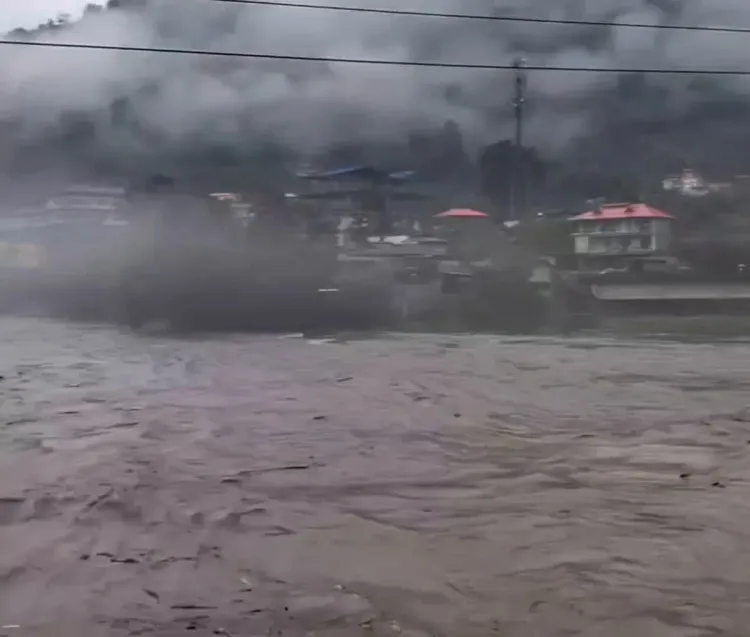
Union Minister Kiren Rijiju on 13 July 2026 flagged unprecedented flash floods devastating Arunachal Pradesh and Assam, confirming Centre-state relief efforts are underway and urging residents to stay alert and avoid unnecessary travel during the severe monsoon.
Key Takeaways
Union Parliamentary Affairs Minister Kiren Rijiju issued a public alert on 13 July 2026 over flash floods in North East India .
Both Arunachal Pradesh and Assam have suffered 'huge flash floods and massive damages,' according to Rijiju.
The Centre and state governments are jointly working to supply basic commodities and restore severed communication lines.
Rijiju appealed to residents to remain alert, avoid risks, and refrain from unnecessary travel during the monsoon.
India's disaster response framework under the Disaster Management Act, 2005 enables NDRF deployment and emergency fund release to supplement state relief efforts.
The Brahmaputra and Barak basins in the Northeast experience recurrent severe flooding every monsoon season.
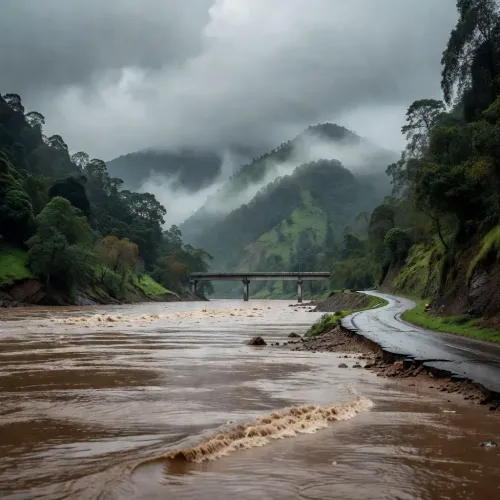
Union Parliamentary Affairs Minister Kiren Rijiju on Monday, 13 July 2026 issued an urgent public appeal after unprecedented monsoon rains triggered severe flash floods and widespread damage across North East India, with Arunachal Pradesh and Assam bearing the brunt of the devastation.
Context
Posting on X, Rijiju — who represents Arunachal Pradesh in the Lok Sabha and holds the portfolios of Parliamentary Affairs and Minority Affairs — described the rains as 'unprecedented' and said they had caused 'huge flash floods and massive damages in the entire region.' He appealed to residents to 'remain alert, avoid risks during this harsh monsoon period and avoid unnecessary travelling.'
The minister confirmed that both state governments and the Union Government are making 'full efforts' to supply basic commodities and restore communication lines severed by the floods.
Policy Backdrop
North East India sits astride some of the world's most flood-prone river systems, including the Brahmaputra and Barak basins, which receive intense orographic rainfall every monsoon season. Annual flooding in Assam alone routinely inundates large tracts of farmland and displaces lakhs of people from low-lying settlements.
India's disaster response framework, established under the Disaster Management Act, 2005, empowers the National Disaster Management Authority (NDMA) and its state counterparts to coordinate relief between the Centre and affected states. During major flood events, the Centre typically supplements state capacity with National Disaster Response Force (NDRF) battalions, defence assets, and emergency funds drawn from the National Disaster Response Fund (NDRF).
Arunachal Pradesh, which borders China, Myanmar, and Bhutan, is particularly vulnerable to flash floods due to its steep Himalayan terrain and trans-boundary rivers that swell rapidly during heavy precipitation events.
Stakeholders and Impact
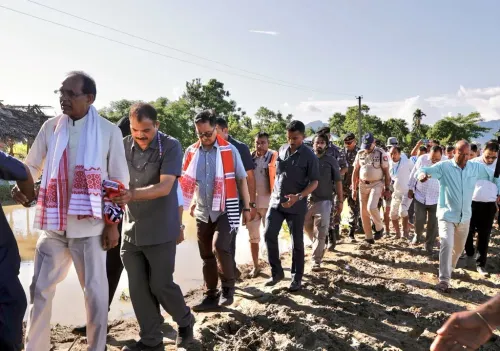
The most immediate impact is on rural and semi-urban communities across Arunachal Pradesh and Assam, where disrupted communication lines can isolate villages and delay the delivery of food, medicine, and rescue personnel. Farmers face crop losses, while infrastructure such as roads and bridges is at risk of damage that can take months to repair.
Rijiju's statement signals active central-level attention to the crisis at the ministerial tier, which is significant given his dual role as a senior BJP leader from the affected region and a Union Cabinet minister. His appeal to avoid unnecessary travel also points to the risk of road accidents and landslides that typically accompany extreme monsoon events in the hilly Northeast.
What's Next
Relief and restoration operations are expected to continue as the monsoon season progresses through July and August 2026. Deployment updates from the Ministry of Home Affairs and the NDMA regarding NDRF battalion positions and emergency fund releases will be closely watched. Parliamentary questions and potential supplementary demands for grants related to flood relief may also come up in the ongoing monsoon session of Parliament.
With the Northeast's flood situation drawing central ministerial attention this early in the monsoon cycle, the scale of eventual damage assessments and the speed of restoration will test the Centre-state coordination framework established under the Disaster Management Act.
Point of View
Giving him direct political and personal stakes in the crisis. The framing of the rains as 'unprecedented' — a word choice that signals the event may exceed routine annual flooding — could set the stage for larger central assistance requests or a formal disaster declaration. The appeal to avoid unnecessary travel also reflects a pattern of ministers using social media as a first-response channel to manage public behaviour before official advisories are issued. Broader scrutiny will likely follow on whether the Centre-state coordination machinery under the Disaster Management Act is being activated swiftly enough given the scale described.
NationPress
14 Jul 2026
Frequently Asked Questions
What did Kiren Rijiju say about floods in Arunachal Pradesh and Assam?
Rijiju described 'unprecedented rains' causing 'huge flash floods and massive damages' across North East India, particularly in Arunachal Pradesh and Assam, and confirmed that both state and Union governments are working to provide basic commodities and restore communication lines.
Which states are affected by the 2026 Northeast India floods?
Arunachal Pradesh and Assam have been specifically identified as the worst-affected states, though Rijiju noted that the entire North East region has suffered damage.
What is the government doing to help flood victims in Northeast India?
According to Rijiju, the state governments and the Union Government are jointly making full efforts to supply basic commodities and re-establish communication lines disrupted by the floods.
What should people in Arunachal Pradesh and Assam do during the floods?
Rijiju has appealed to residents to remain alert, avoid risks, and refrain from unnecessary travel during the harsh monsoon period.
Who is Kiren Rijiju and why is he speaking about the Northeast floods?
Kiren Rijiju is the Union Minister of Parliamentary Affairs and Minority Affairs and a BJP MP from Arunachal Pradesh — one of the states most severely affected — making him a key political voice on the crisis at the national level.