Rijiju Flags Youth's Ignorance of North-East India's Geography
Synopsis
Union Minister Kiren Rijiju on 7 June 2026 flagged a 'very regrettable' lack of awareness among Indian youth about North-East India's critical geography, renewing calls for stronger national integration education and curriculum focus on the region.
Key Takeaways
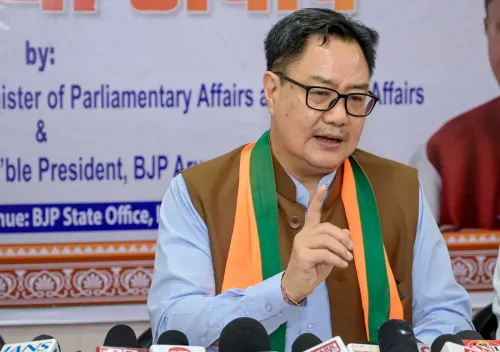
Kiren Rijiju , Union Minister of Parliamentary Affairs and a native of Arunachal Pradesh , on 7 June 2026 publicly lamented that Indian youth are unaware of North-East India's critical geographical location.
The North-East shares international borders with China, Myanmar and Bangladesh , making it one of India's most strategically sensitive regions.
India has pursued the Look East Policy (1991) and the Act East Policy (2014) to leverage the North-East as a gateway to Southeast Asia .
Rijiju's remarks point to a persistent gap in mainstream educational curricula regarding the history, geography and culture of the eight North-Eastern states .
Potential policy responses include NCERT curriculum revisions and fresh awareness campaigns by the Ministry of DoNER and Ministry of Education .
Union Parliamentary Affairs Minister Kiren Rijiju on Sunday, 7 June 2026, expressed concern over what he described as a troubling lack of awareness among Indian youth about North-East India and its critical geographical position, calling on citizens to better understand their own nation.
Context
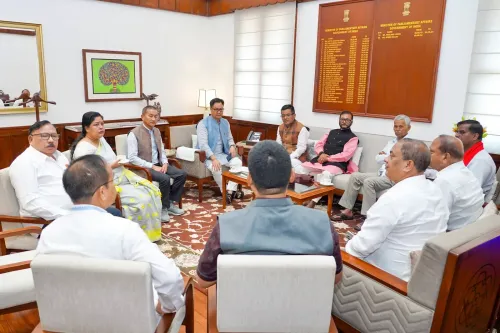
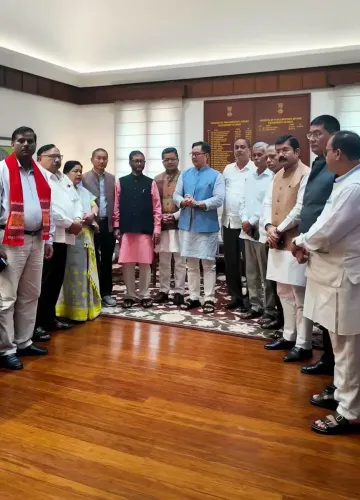
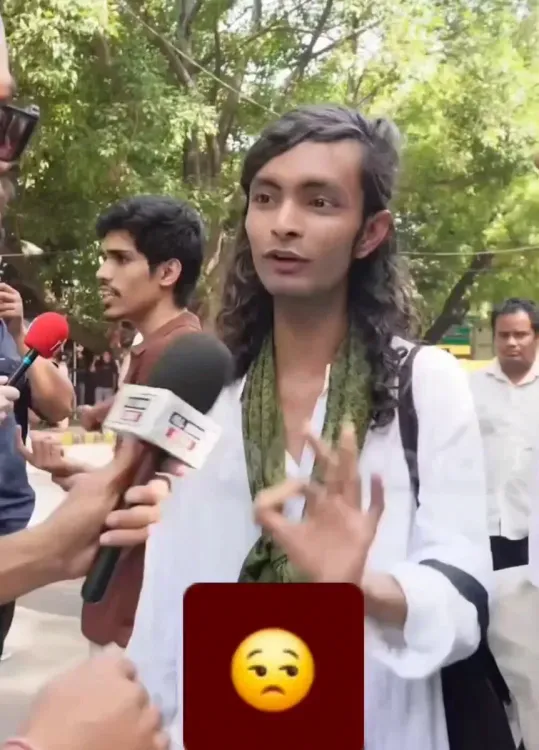
Rijiju, a senior BJP leader and a native of Arunachal Pradesh, posted on X: 'Very regrettable, these youth are not aware of North-East India, its critical geographical location. We must know about our own nation.' The post, which included two video clips, was widely noted for its direct and pointed tone. While the precise incident that prompted the remark could not be independently verified, the minister's words reflect a recurring concern among leaders from the region about the mainland's limited understanding of the North-East.
The North-East comprises eight states — Arunachal Pradesh, Assam, Manipur, Meghalaya, Mizoram, Nagaland, Sikkim and Tripura — sharing sensitive international borders with China, Myanmar and Bangladesh. Its geographical position makes it a strategic buffer zone and a natural gateway to Southeast Asia.
Policy Backdrop
India's engagement with the North-East as a strategic corridor has a well-documented policy lineage. The Look East Policy, launched in 1991, first positioned the region as a bridge to Southeast Asian economies. This was elevated to the Act East Policy, unveiled at the 2014 ASEAN Summit, which placed greater emphasis on infrastructure development, cross-border trade and people-to-people contacts involving North-Eastern states.
Despite these policy frameworks, awareness of the region's geography, history and cultural diversity among youth in other parts of India has remained a persistent concern for successive governments and civil society groups alike. Educational curricula and national integration programmes have repeatedly been cited as areas requiring stronger focus on the North-East.
Stakeholders and Impact
Rijiju's remarks directly address Indian youth as both the subject of concern and the intended audience. For communities in the North-East, such statements from a senior minister who himself hails from the region carry particular weight, signalling that the issue of recognition and integration is far from resolved. Advocacy groups working on North-Eastern identity and representation have long argued that mainstream educational and media narratives underrepresent the region.
The Ministry of Development of North Eastern Region (DoNER) and the Ministry of Education are the principal institutional actors who could translate such concerns into policy action — whether through revised NCERT textbook content, awareness campaigns or dedicated curriculum modules on the North-East.
What's Next
Observers will watch whether Rijiju's public statement translates into a formal push within Parliament or the Cabinet for curriculum reform or a dedicated national awareness initiative. Parliamentary debates on NCERT syllabus revisions and the rollout of any fresh DoNER or Ministry of Education campaigns focused on the North-East will be key indicators. With the minister himself from the region and holding a portfolio central to legislative business, his voice on this issue carries institutional heft that could accelerate action beyond a social-media moment.
Point of View
Giving the concern institutional weight. The remark fits a broader pattern of North-Eastern leaders using high-visibility platforms to press for better representation in national education and media narratives. The framing of geographical ignorance as a national security and integration issue subtly raises the stakes, potentially building a case for formal curriculum intervention. Whether this translates into policy action or remains rhetorical will be a telling measure of the government's seriousness about its own Act East commitments.
NationPress
19 Sept 2026
Frequently Asked Questions
Why did Kiren Rijiju criticise Indian youth about North-East India?
Rijiju called it 'very regrettable' that Indian youth are unaware of North-East India's critical geographical location, urging citizens to know their own nation better. The specific incident that prompted his post on 7 June 2026 has not been independently verified.
What is the strategic importance of North-East India?
North-East India shares international borders with China, Myanmar and Bangladesh, making it a sensitive security zone and a natural gateway to Southeast Asia under India's Act East Policy.
What is the Act East Policy and how does it relate to North-East India?
The Act East Policy, unveiled at the 2014 ASEAN Summit, elevated India's engagement with Southeast Asia by positioning the North-Eastern states as a key corridor for trade, infrastructure and people-to-people contacts.
Which states are part of North-East India?
North-East India comprises eight states: Arunachal Pradesh, Assam, Manipur, Meghalaya, Mizoram, Nagaland, Sikkim and Tripura.
What policy changes could follow Rijiju's remarks on North-East awareness?
Observers are watching for possible NCERT curriculum revisions to include stronger North-East content, as well as fresh awareness campaigns from the Ministry of DoNER and the Ministry of Education.