Rijiju: India's Hydrogen Train from Jind is World's Most Powerful
Synopsis
Union Parliamentary Affairs Minister Kiren Rijiju declared India's hydrogen train from Jind, Haryana, to be the world's most powerful at 3,200 horsepower and also the world's longest, as Prime Minister Modi visited the state. Only three or four countries globally operate hydrogen trains, and India's entry marks a significant leap in green rail technology.
Key Takeaways
Union Minister Kiren Rijiju announced that India's hydrogen train originating from Jind, Haryana is the world's most powerful hydrogen train.
The train is stated to be rated at 3,200 horsepower and is also described as the world's longest hydrogen train.
Only three or four countries globally currently have the capability to operate hydrogen trains, and those programmes remain at an early stage.
The launch coincided with a visit by Prime Minister Narendra Modi to Haryana, marked by the hashtag #PMModiInHaryana.
The project aligns with India's National Green Hydrogen Mission (approved 2023) and the country's 2070 net-zero emissions target.
The initiative is positioned within the government's Atmanirbhar Bharat and Make in India frameworks as a symbol of indigenous technological capability.
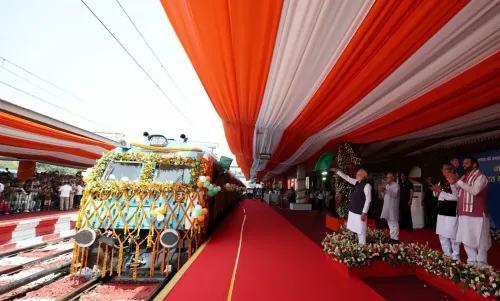
Union Parliamentary Affairs Minister Kiren Rijiju on Friday, 17 July 2026, hailed India's hydrogen train originating from Jind, Haryana, calling it the world's most powerful and longest hydrogen train, as Prime Minister Narendra Modi visited Haryana to mark the occasion.
Context
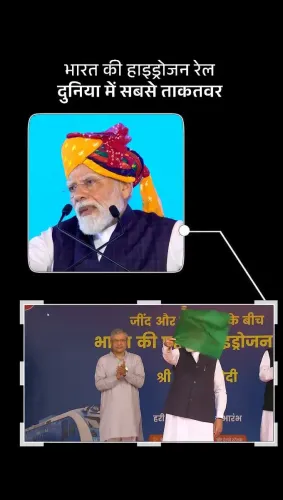
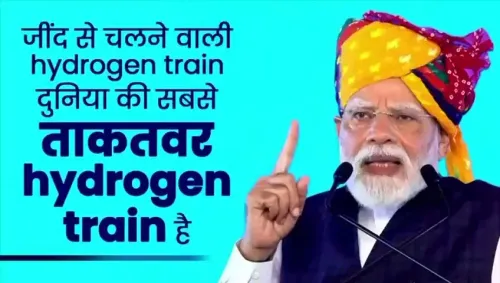
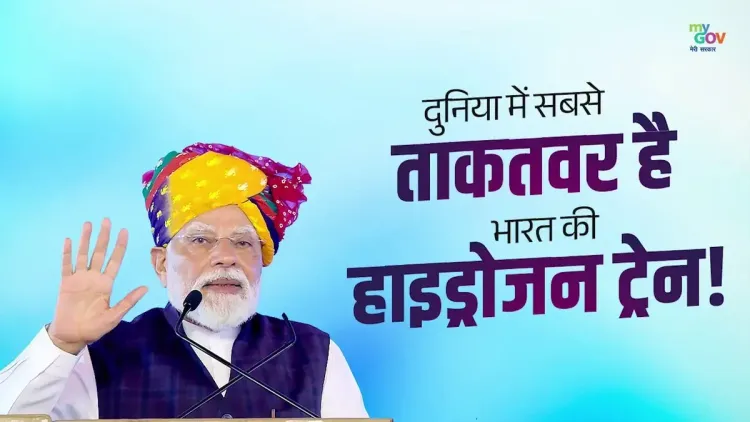
Rijiju shared his remarks in Hindi, stating: 'जींद से चलने वाली #HydrogenTrain दुनिया की सबसे ताकतवर hydrogen ट्रेन है' ('The #HydrogenTrain running from Jind is the world's most powerful hydrogen train'). He added that the train is rated at 3,200 horsepower and described it as not only the most powerful but also the longest hydrogen train in the world. The minister noted that only three or four countries in the world currently possess the capability to run hydrogen trains, and even in those nations, operations remain at a very early stage.
The post was shared under the hashtag #PMModiInHaryana, indicating the launch event coincided with a visit by Prime Minister Modi to the state. Rijiju framed the development as a source of national pride, saying every Indian should feel proud upon hearing of the train's capabilities.
Policy Backdrop
India's push into hydrogen-powered rail is rooted in the National Green Hydrogen Mission, approved in 2023, which aims to scale up hydrogen use across sectors including transportation. The mission is a central pillar of India's broader decarbonisation strategy tied to its 2070 net-zero emissions pledge.
Indian Railways has pursued multiple pathways to reduce its carbon footprint, including aggressive electrification of its network and trials of alternative fuels. The hydrogen train project fits squarely within the government's Atmanirbhar Bharat and Make in India technology narratives, positioning indigenous capability as a marker of national advancement rather than dependence on foreign technology.
Stakeholders and Impact
Indian Railways stands as the primary institutional stakeholder, with the project potentially reshaping long-term fleet planning if the pilot scales successfully. Commuters and freight users across Haryana and adjoining regions could be among the first to benefit from expanded hydrogen rail connectivity.
The development also carries significance for India's green energy ecosystem. A successful hydrogen train programme could catalyse demand for domestically produced green hydrogen, creating linkages with state-level green hydrogen production hubs that are being developed in parallel. Industrial stakeholders in the energy and rail manufacturing sectors are closely watching the programme's rollout.
What's Next
The immediate focus will be on the operational performance of the Jind-origin hydrogen train during its initial phase, with observers watching for data on reliability, energy efficiency, and passenger experience. Policymakers and rail planners are expected to use early results to determine the feasibility of extending hydrogen train routes to other corridors.
Longer term, integration with state-level green hydrogen production infrastructure will be critical to making the economics of hydrogen rail viable at scale. India's ability to indigenously manufacture high-capacity hydrogen trains could also open pathways for technology exports, adding a strategic dimension to what is currently framed as a domestic infrastructure milestone.
Point of View
Timed to amplify Prime Minister Modi's Haryana visit and attach a technology-pride narrative to the ruling party's governance record. Framing the Jind hydrogen train as a world-first achievement serves the dual purpose of advancing the Atmanirbhar Bharat brand domestically while projecting India's green-tech ambitions on the global stage. The hydrogen rail push is part of a broader pattern in which the government uses flagship infrastructure moments to reinforce its 2070 net-zero credentials ahead of international climate forums. Whether the claims of 'world's most powerful and longest' are independently verified will determine how durable this narrative proves to be.
NationPress
17 Jul 2026
Frequently Asked Questions
What is India's hydrogen train and where does it run from?
India's hydrogen train is an indigenous hydrogen-powered rail project that originates from Jind in Haryana . Minister Kiren Rijiju described it as the world's most powerful and longest hydrogen train, rated at 3,200 horsepower.
How many countries have hydrogen trains in the world?
According to Minister Rijiju's statement, only three or four countries in the world currently have the capability to operate hydrogen trains, and even in those nations the programmes are at a very early stage.
What is India's National Green Hydrogen Mission?
The National Green Hydrogen Mission was approved by the Indian government in 2023 to promote the production and use of green hydrogen across sectors including transport, as part of India's 2070 net-zero emissions pledge.
Why did PM Modi visit Haryana in July 2026?
Prime Minister Narendra Modi visited Haryana on 17 July 2026 , an occasion marked by the hashtag #PMModiInHaryana. The visit coincided with the highlighting of the hydrogen train project originating from Jind.
How does the hydrogen train fit into India's green energy goals?
The hydrogen train project is aligned with India's National Green Hydrogen Mission and its commitment to achieving net-zero emissions by 2070 . It also fits within the Atmanirbhar Bharat and Make in India frameworks, emphasising indigenous technological development in the railway sector.