Rijiju: Monsoon Session 2026 to run July 20–Aug 13
Synopsis
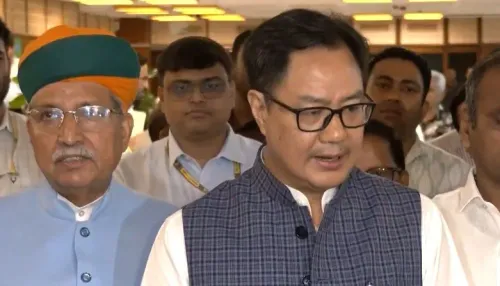
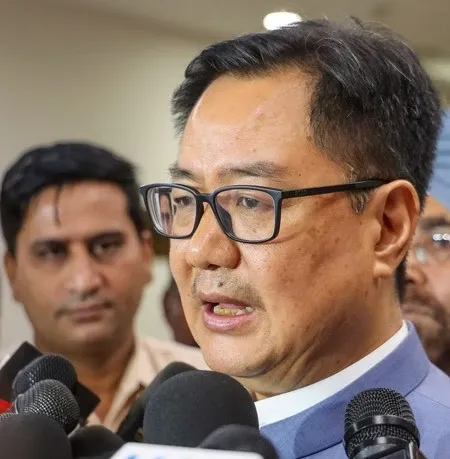
President Droupadi Murmu has approved the summoning of both Houses of Parliament for the Monsoon Session 2026, which will run from 20 July to 13 August 2026. Parliamentary Affairs Minister Kiren Rijiju made the announcement on 4 July, citing the government's recommendation under Article 85 of the Constitution.
Key Takeaways
President Droupadi Murmu has approved the summoning of both Houses of Parliament for the Monsoon Session 2026 on the recommendation of the Government of India.
The session will run from 20 July to 13 August 2026 , spanning approximately 25 days .
The announcement was made by Union Parliamentary Affairs Minister Kiren Rijiju on 4 July 2026 .
The summons follows Article 85 of the Constitution , under which the President acts on the advice of the Council of Ministers.
Ministers of State Arjun Ram Meghwal and Dr L.
Murugan were tagged in the official communication, indicating coordinated ministry outreach.
The session ends just two days before Independence Day on 15 August, adding legislative urgency to the schedule.
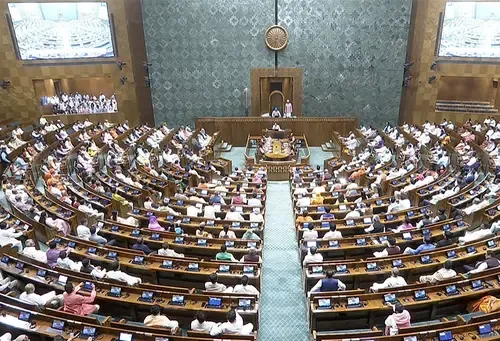
Union Parliamentary Affairs Minister Kiren Rijiju announced on Saturday, 4 July 2026 that President Droupadi Murmu has approved the summoning of both Houses of Parliament for the Monsoon Session 2026, on the recommendation of the Government of India. The session will run from 20 July to 13 August 2026, spanning 25 days of parliamentary business.
Context
Rijiju posted on X that the President has approved the summoning 'for meaningful debate, discussion and decisions on issues of National Importance.' The announcement was made through the official channel of the Ministry of Parliamentary Affairs, with Minister of State Arjun Ram Meghwal and Dr L. Murugan also tagged in the post, signalling coordinated communication across the ministry.
The Monsoon Session is one of three regular annual sessions of Parliament — the others being the Budget Session and the Winter Session — and has been convened every year since independence. The 2024 Monsoon Session ran from 22 July to 9 August; the 2026 dates extend the session by roughly four days compared to that edition.
Policy Backdrop
Article 85 of the Constitution of India empowers the President to summon each House of Parliament to meet at such time and place as she thinks fit, but this is exercised on the advice of the Council of Ministers — a convention observed without interruption since 1950. The Ministry of Parliamentary Affairs coordinates the scheduling, and the formal summons is issued once the President grants approval.
President Droupadi Murmu, who assumed office in July 2022 as the first woman from a Scheduled Tribe to hold the post, acts in accordance with constitutional convention in approving such recommendations. The mechanism ensures that the executive and legislature remain in sync on the parliamentary calendar, maintaining continuity of democratic functioning regardless of the political complexion of the government in power.
Stakeholders and Impact
All 543 elected members of the Lok Sabha and 245 members of the Rajya Sabha will be expected to participate in the session. Opposition parties will have a structured forum to raise questions, move adjournment motions, and debate government legislation over the 25-day window.
Civil society groups, industry bodies, and citizens tracking pending legislation — including any bills carried over from the Budget Session — will watch the session agenda closely once the Ministry of Parliamentary Affairs releases the official list of business. The extended duration relative to recent Monsoon Sessions could allow for more substantive committee referrals and floor debates.
What's Next
The Ministry of Parliamentary Affairs is expected to release a detailed agenda of government bills and other scheduled business ahead of 20 July 2026. Private members' bills and special discussions will also be listed in the official summons. Parliamentary committees may hold pre-session meetings to prepare reports on pending legislation.
With the session stretching to 13 August — just two days before Independence Day — the government will be under pressure to conclude key legislative business in time, making the scheduling and management of floor time a critical task for the Parliamentary Affairs Ministry under Rijiju's stewardship.
Point of View
The BJP signals both institutional propriety and political ownership of parliamentary management. The extended 25-day window, longer than the 2024 edition, suggests the government may have a heavier legislative agenda to push through before the Independence Day recess. How the opposition uses this floor time — particularly on any contentious bills — will set the tone for the remainder of the parliamentary year.
NationPress
4 Jul 2026
Frequently Asked Questions
When is the Monsoon Session of Parliament 2026?
The Monsoon Session 2026 will commence on 20 July 2026 and continue till 13 August 2026 , as approved by President Droupadi Murmu on the recommendation of the Government of India.
Who announced the Monsoon Session 2026 dates?
Union Parliamentary Affairs Minister Kiren Rijiju announced the dates on 4 July 2026 via a post on X, stating that President Droupadi Murmu had approved the summoning of both Houses.
Which constitutional provision governs the summoning of Parliament?
Article 85 of the Constitution of India empowers the President to summon each House of Parliament, a power exercised on the advice of the Council of Ministers.
How long is the Monsoon Session 2026?
The Monsoon Session 2026 spans approximately 25 days , from 20 July to 13 August 2026, which is longer than the 2024 Monsoon Session that ran from 22 July to 9 August.
What will be discussed in the Monsoon Session 2026?
The session is called for 'meaningful debate, discussion and decisions on issues of National Importance,' according to the official announcement. The detailed agenda of government bills and other business will be released by the Ministry of Parliamentary Affairs ahead of 20 July 2026 .