Rijiju: Nasha Mukt Bharat Abhiyan reaches 26 crore people
Synopsis
Union Minister Kiren Rijiju on 26 June 2026 highlighted that the Nasha Mukt Bharat Abhiyan has reached over 26 crore people, engaged 9.5 crore-plus youth, and mobilised 6.5 crore-plus women, reaffirming the government's zero-tolerance approach to drug abuse under PM Modi.
Key Takeaways
Union Parliamentary Affairs Minister Kiren Rijiju highlighted the Nasha Mukt Bharat Abhiyan's outreach on 26 June 2026 , coinciding with International Day Against Drug Abuse.
The campaign has reportedly reached over 26 crore people since its launch on 15 August 2020 .
More than 9.5 crore youth have been engaged and over 6.5 crore women mobilised under the programme.
The government pairs mass awareness with a stated Zero Tolerance Policy enforced through the NDPS Act .
The campaign is run by the Ministry of Social Justice and Empowerment and targets high-prevalence districts across India.
The next annual progress report from the ministry and potential NDPS Act amendments in the winter session of Parliament are key developments to watch.
Union Parliamentary Affairs Minister Kiren Rijiju on Friday, 26 June 2026, highlighted the scale of the government's anti-drug campaign, stating that the Nasha Mukt Bharat Abhiyan has reached over 26 crore people, engaged more than 9.5 crore youth, and mobilised over 6.5 crore women under the leadership of Prime Minister Narendra Modi.
Context
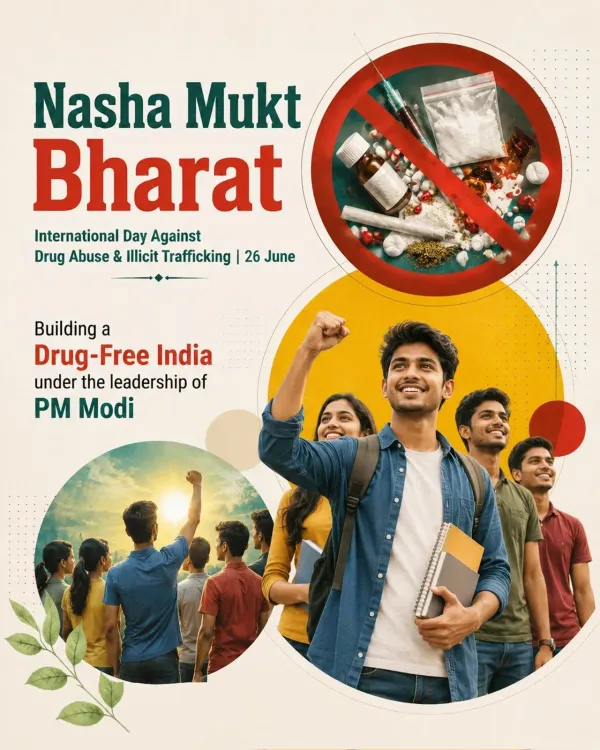
Rijiju's post, shared on the occasion of International Day Against Drug Abuse and Illicit Trafficking, underscored the government's dual approach to the drug menace — combining mass public awareness with what he described as a 'Zero Tolerance Policy' against drugs. 'The fight against drugs is not just about enforcement, it is about awareness, participation and prevention,' Rijiju wrote, framing the campaign as a whole-of-society effort rather than a purely law-enforcement exercise.
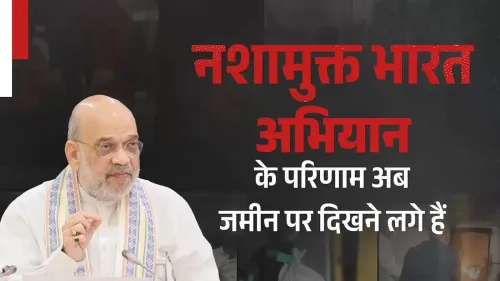
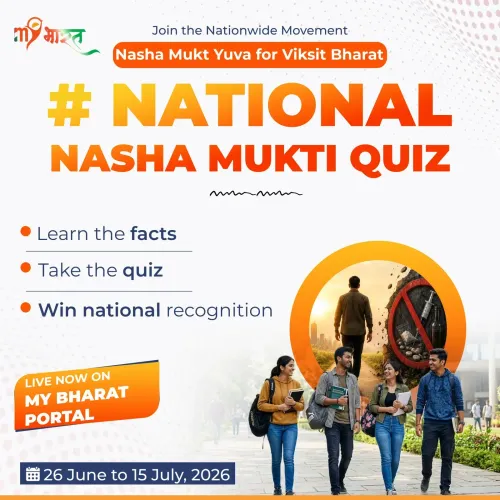
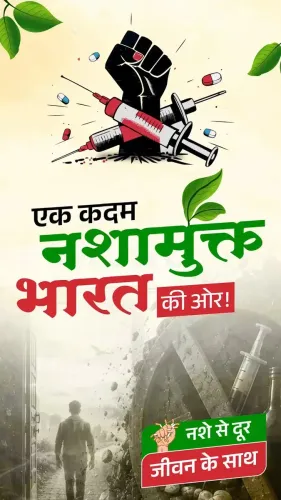
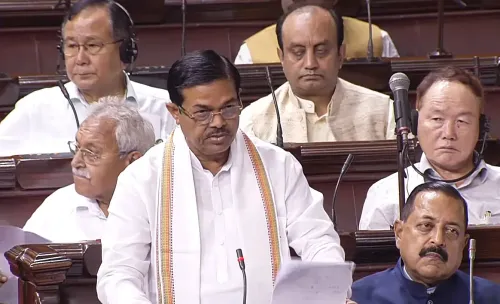
The minister's remarks come as India continues to grapple with rising substance abuse, particularly in border states and among urban youth. The post was accompanied by four images illustrating outreach activities under the campaign.
Policy Backdrop
The Nasha Mukt Bharat Abhiyan was formally launched on 15 August 2020 as a flagship outreach programme under the Ministry of Social Justice and Empowerment, targeting awareness about substance abuse across districts identified as high-prevalence zones. The campaign operates alongside the National Action Plan for Drug Demand Reduction, which was operationalised from 2018 onwards to coordinate prevention, treatment, and rehabilitation efforts across states.
Successive Union Budgets have allocated incremental funding for de-addiction centres and community awareness drives, particularly in states with documented high drug prevalence. The emphasis on reaching women and youth mirrors the model of parallel social-sector drives such as Beti Bachao Beti Padhao, which similarly target behavioural change at scale through grassroots mobilisation.
On the enforcement side, the government has reiterated its zero-tolerance posture under the Narcotic Drugs and Psychotropic Substances (NDPS) Act, pairing stricter interdiction with demand-reduction messaging to address both supply and consumption.
Stakeholders and Impact
The campaign's stated outreach figures — 26 crore people reached, 9.5 crore-plus youth engaged, and 6.5 crore-plus women mobilised — signal the programme's ambition to embed anti-drug messaging deep into communities rather than limit it to institutional settings. Youth and women have been identified as priority cohorts, both as potential victims of substance abuse and as agents of community-level change.
States with high drug prevalence, including those in Punjab, the Northeast, and parts of Rajasthan, have been focal points of the campaign's district-level outreach. Community volunteers, self-help groups, and educational institutions have served as key delivery channels.
What's Next
Observers will watch for the next annual progress report of the Ministry of Social Justice and Empowerment, which is expected to provide updated district-wise data on outreach and de-addiction outcomes. Any proposed amendments to the NDPS Act listed for the upcoming winter session of Parliament would also signal the government's legislative intent on the enforcement dimension of its anti-drug strategy.
As the Nasha Mukt Bharat Abhiyan enters its sixth year, the government faces the challenge of converting awareness reach into measurable reductions in drug prevalence — a metric that will increasingly define the campaign's legacy.
Point of View
Designed to project scale and momentum for a flagship social-sector programme. By foregrounding the 26-crore reach figure alongside youth and women-specific metrics, the BJP signals that the Nasha Mukt Bharat Abhiyan is not a niche enforcement exercise but a mass-mobilisation effort comparable to other Modi-era behavioural-change campaigns. The framing of 'awareness, participation and prevention' alongside 'zero tolerance' is deliberate — it allows the government to address both demand-side critics and law-and-order constituencies simultaneously. The real test, however, will come when independent assessments measure whether outreach numbers translate into declining substance-abuse prevalence in high-burden states.
NationPress
26 Jun 2026
Frequently Asked Questions
What is the Nasha Mukt Bharat Abhiyan?
The Nasha Mukt Bharat Abhiyan is a national campaign launched on 15 August 2020 by the Ministry of Social Justice and Empowerment to create awareness about drug abuse, engage youth, and mobilise communities — particularly women — in high-prevalence districts across India.
How many people has the Nasha Mukt Bharat Abhiyan reached?
According to Union Minister Kiren Rijiju's post on 26 June 2026, the campaign has reached over 26 crore people, engaged more than 9.5 crore youth, and mobilised over 6.5 crore women.
What is India's Zero Tolerance Policy on drugs?
India's Zero Tolerance Policy on drugs refers to the government's stated approach of combining strict enforcement under the Narcotic Drugs and Psychotropic Substances (NDPS) Act with large-scale demand-reduction and awareness programmes to combat substance abuse.
What ministry runs the Nasha Mukt Bharat Abhiyan?
The Nasha Mukt Bharat Abhiyan is run primarily by the Ministry of Social Justice and Empowerment, which also oversees de-addiction centre funding and district-level outreach under the National Action Plan for Drug Demand Reduction.
Why did Kiren Rijiju post about the anti-drug campaign on 26 June 2026?
26 June is observed globally as International Day Against Drug Abuse and Illicit Trafficking, making it a natural occasion for government ministers to highlight India's anti-drug initiatives and progress under campaigns like the Nasha Mukt Bharat Abhiyan.