Rijiju Recalls Zanskar Speech, Urges 'Middle Path' for Ladakh
Synopsis
Union Parliamentary Affairs Minister Kiren Rijiju revisited his Zanskar address, saying Prime Minister Narendra Modi understands Ladakh's concerns and calling for trust and a 'middle path' to fulfil the Union Territory's aspirations on statehood, safeguards and identity.
Key Takeaways
Kiren Rijiju recalled his speech at Zanskar, Ladakh, in a post on 3 June 2026.
He said PM Narendra Modi understands the 'pains and problems' of Ladakh.
Rijiju urged trust-building and a 'middle path' to fulfil regional aspirations.
Ladakh became a Union Territory under the Jammu and Kashmir Reorganisation Act, 2019.
Local groups continue to demand statehood, Sixth Schedule status, jobs and land safeguards.
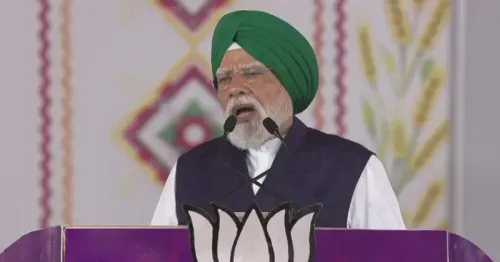
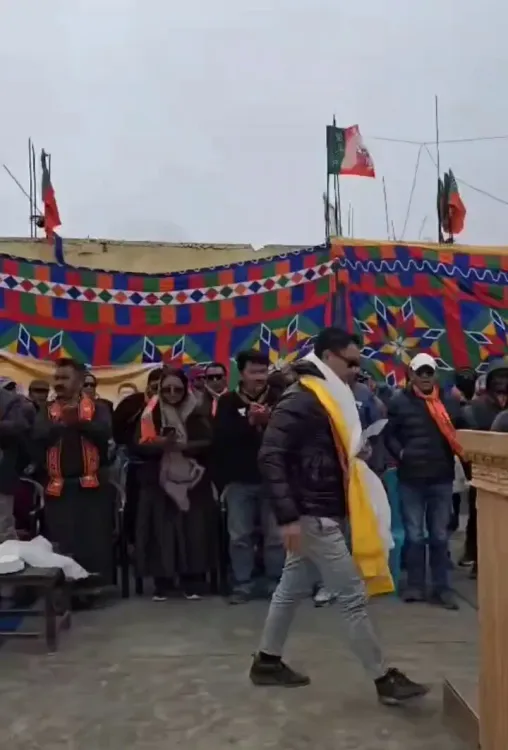
Union Parliamentary Affairs Minister Kiren Rijiju on 3 June 2026 revisited his earlier address at Zanskar in Ladakh, urging dialogue and a 'middle path' to resolve the Union Territory's long-pending aspirations. In a post on X accompanied by a video clip, the senior BJP leader said Prime Minister Narendra Modi understood the 'pains and problems' of Ladakh and called for trust-building between New Delhi and the region.
'Remembering my speech at Zanskar, Ladakh. Hon'ble PM Shri Narendra Modi ji understands the pains & problems of Ladakh. Let's build the trust & follow the middle path to fulfill the dreams,' Rijiju wrote, framing the message as a pitch for negotiated solutions rather than confrontation.
Context
Rijiju, a BJP leader from Arunachal Pradesh who also holds the Minority Affairs portfolio, has frequently engaged with Himalayan and border constituencies. His decision to spotlight a speech delivered in Zanskar — a remote sub-division of Kargil district known for its distinct Buddhist heritage and harsh geography — signals continued central outreach to a region that has been at the centre of sustained civic mobilisation.
The phrase 'middle path', resonant in Buddhist philosophy and widely understood in Ladakh, appears calibrated to local idiom. It also marks a rhetorical shift away from binary framings of statehood versus status quo, suggesting space for a negotiated settlement.
Policy backdrop
Ladakh was carved out as a Union Territory without a legislature under the Jammu and Kashmir Reorganisation Act, 2019, which bifurcated the erstwhile state. Since then, civil society groups, religious bodies and local political formations across Leh and Kargil have pressed four core demands: full statehood, inclusion under the Sixth Schedule of the Constitution, a dedicated Public Service Commission, and separate Lok Sabha seats for the two districts.
Successive rounds of dialogue between the Ministry of Home Affairs and Ladakhi representatives have produced limited movement, with the Centre emphasising administrative and developmental measures while holding back on constitutional change. Rijiju's invocation of trust and incremental progress is consistent with that broader posture.
Stakeholders and impact
The principal stakeholders include residents of Leh and Kargil, the Ladakh Autonomous Hill Development Councils, and umbrella groups that have coordinated protests and shutdowns over land rights, employment reservations and cultural protections. Local concerns centre on demographic change, ecological fragility along the high-altitude frontier, and the absence of an elected assembly to legislate on land and service matters.
For the BJP, which holds the lone Ladakh Lok Sabha seat's political stakes through its national footprint, calibrated messaging from a Union minister carries weight. Rijiju's framing — pairing the Prime Minister's empathy with a call for trust — is likely to be parsed closely by negotiators on both sides.
What's next
Attention will turn to the next round of talks between the Ministry of Home Affairs and Ladakhi representative bodies, and to whether any legislative proposals on land or reservation safeguards surface in the upcoming parliamentary session. As Parliamentary Affairs Minister, Rijiju will also be central to managing the legislative calendar around any such moves.
Whether the 'middle path' translates into a concrete framework — short of statehood but beyond the present arrangement — will determine the durability of the trust the minister has invoked.
Point of View
He is hinting at a settlement that stops short of full statehood or Sixth Schedule status but goes beyond the current legislature-less arrangement. The framing fits a broader BJP pattern of administrative engagement over constitutional change in Ladakh. The test will be whether subsequent talks deliver an enforceable framework on land, jobs and representation.
NationPress
17 Oct 2026
Frequently Asked Questions
What did Kiren Rijiju say about Ladakh?
Rijiju said Prime Minister Narendra Modi understands the pains and problems of Ladakh, and urged building trust and following a 'middle path' to fulfil the region's aspirations, recalling his earlier speech at Zanskar.
Why is Ladakh demanding statehood?
Since being made a Union Territory without a legislature in 2019, Ladakhi groups have sought statehood, Sixth Schedule protections, a public service commission and separate Lok Sabha seats to safeguard land, jobs and cultural identity.
What is the Sixth Schedule and why is it relevant to Ladakh?
The Sixth Schedule of the Constitution provides for autonomous councils with powers over land, forests and customary law in certain tribal areas. Ladakhi groups want similar protections given the region's predominantly tribal population.
Where is Zanskar located?
Zanskar is a remote, high-altitude sub-division within Kargil district of the Union Territory of Ladakh, known for its distinct Buddhist culture and challenging terrain.
What portfolios does Kiren Rijiju hold?
Kiren Rijiju is the Union Minister of Parliamentary Affairs and Minister of Minority Affairs in the Modi government, and is a senior BJP leader from Arunachal Pradesh.