Rijiju Urges Opposition to Back Exam Reform Bill in Parliament
Synopsis
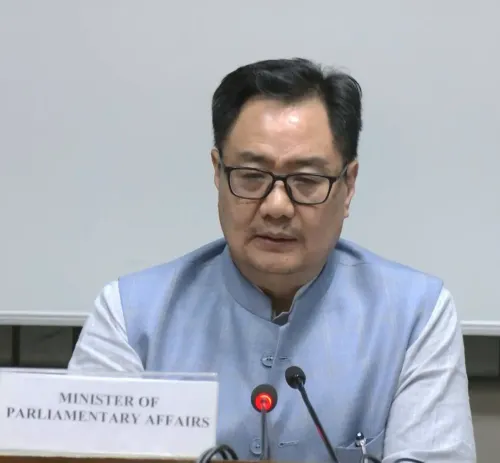
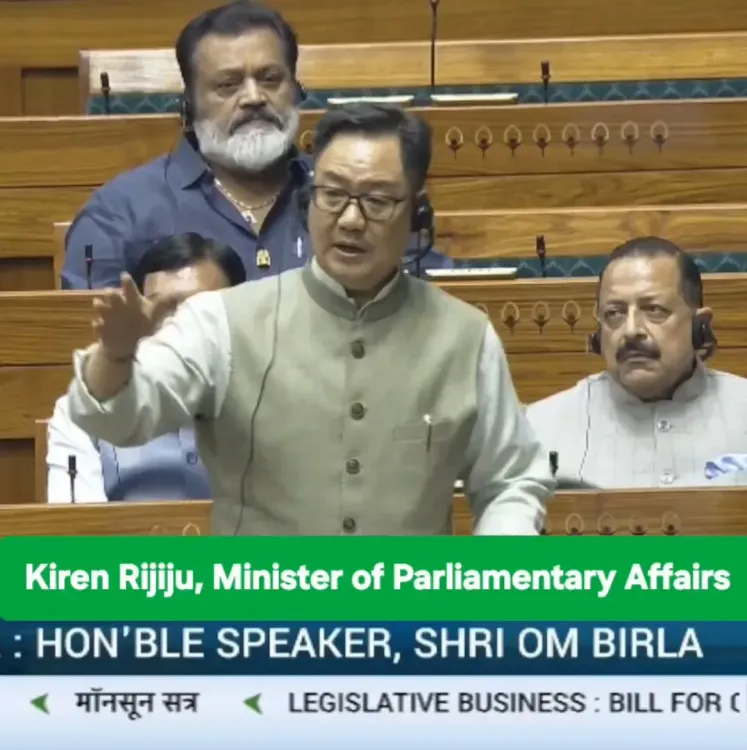
Union Parliamentary Affairs Minister Kiren Rijiju on 27 July 2026 appealed to the Congress party and opposition to stop political diversions and allow Parliament to pass a 'historic' examination reform bill, calling it a top government priority for students nationwide.
Key Takeaways
Kiren Rijiju , Union Parliamentary Affairs Minister, on 27 July 2026 publicly urged the opposition to cooperate on an examination reform bill.
The minister described the bill as a 'historic reform' and said passing it is the government's stated priority.
He directly appealed to the Indian National Congress and other opposition allies not to divert attention from the issue.
The call comes against a backdrop of public concern over national entrance test integrity and the structural reform agenda of the National Education Policy 2020 .
Parliamentary disruptions have previously delayed multiple education and regulatory bills across sessions.
The bill's passage depends on whether it is listed for debate and whether the opposition engages constructively in the current session.
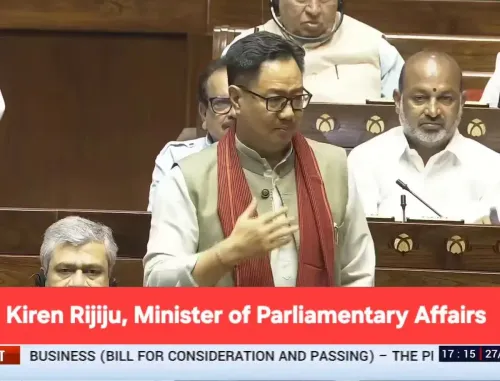
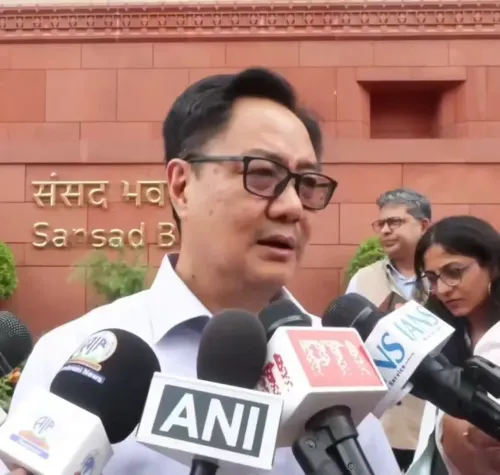
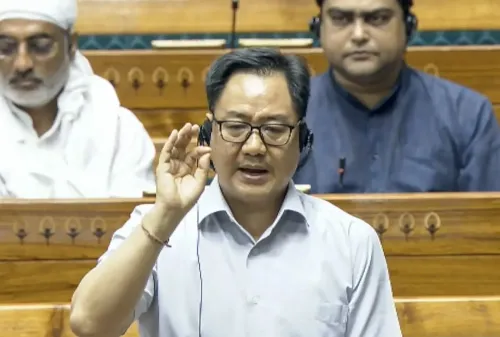
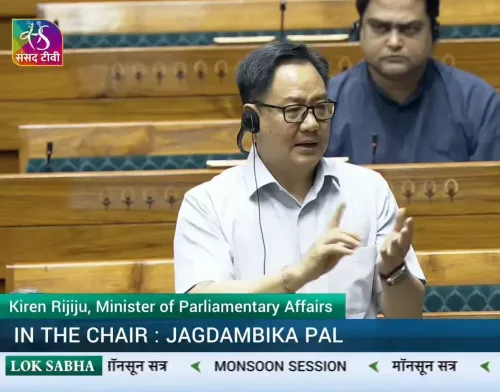
Union Parliamentary Affairs Minister Kiren Rijiju on Monday, 27 July 2026, called on the Congress party and other opposition members to stop derailing parliamentary proceedings and allow passage of what he described as a 'historic reform Bill' aimed at overhauling the national examination process.
Context
Posting on X, Rijiju wrote in English and Hindi: 'The future of our students shouldn't become a victim of political diversion. Parliament should focus on passing this historic reform Bill.' In the Hindi portion, he added — 'यह समय छात्रों के हित में देश भर में परीक्षा प्रक्रिया में सुधार लाने का है' (This is the time to bring reforms to the examination process across the country in the interest of students) — and directly appealed to the Congress party and opposition allies not to attempt to divert attention from the issue.
The minister framed the proposed legislation as a national priority, stating: 'इस विधेयक को पारित करना हमारी प्राथमिकता है' (Passing this bill is our priority). His appeal signals that the government is preparing to push the bill through the current session and anticipates resistance from the opposition benches.
Policy Backdrop
The call for examination reform comes against a sustained backdrop of public concern over the integrity and fairness of national entrance tests. The National Education Policy 2020 had recommended structural changes to examination systems to reduce student stress and improve transparency, laying the groundwork for legislative follow-through.
Parliamentary disruptions over procedural and political disagreements have delayed several education and regulatory bills in recent sessions. The government has repeatedly urged opposition cooperation during both monsoon and winter sessions to clear pending legislation, and Rijiju, in his role as the minister responsible for managing the government's legislative agenda in Parliament, has been at the forefront of those efforts.
Stakeholders and Impact
The primary stakeholders are millions of Indian students who appear for national-level competitive and entrance examinations each year. Delays in formalising a reformed examination framework have a direct bearing on academic planning, institutional credibility, and student welfare across states.
The Indian National Congress and allied opposition parties are the immediate audience for Rijiju's appeal. Opposition groups have in the past used parliamentary time to raise procedural objections or press for broader debates, a dynamic the minister's post implicitly references when he warns against 'political diversion.' How the opposition responds — whether by engaging constructively or by continuing to press other demands — will determine the bill's prospects in the current session.
What's Next
The immediate question is whether the examination reform bill will be listed for debate and voting in the ongoing parliamentary session. A formal response from opposition leadership, particularly from the Congress party, is expected to clarify whether a floor consensus is possible.
If the bill does come up for discussion, the government's ability to marshal a working majority and secure at least partial opposition support will be decisive. The broader pattern of stalled education legislation suggests the path to passage remains contested, making the next few sitting days in Parliament critical for the bill's fate.
Point of View
The government attempts to shift the moral burden of any delay onto the opposition. The timing — a social media post mid-session — suggests the government is struggling to secure floor time or opposition consent and is taking the argument directly to the public. This fits a recurring pattern in which the ruling dispensation uses high-visibility ministerial statements to build narrative momentum around stalled legislation. The opposition's response will reveal whether the bill has genuine cross-party traction or remains a government priority without consensus.
NationPress
26 Oct 2026
Frequently Asked Questions
What is the exam reform bill that Kiren Rijiju is talking about?
Rijiju referred to it as a 'historic reform Bill' aimed at improving the examination process for students across India. The exact title and full provisions of the bill have not been officially detailed in his post, but the government has framed it as a legislative follow-through on examination system reforms.
Why is Rijiju asking the opposition not to divert Parliament?
Rijiju urged the Congress party and other opposition members not to engage in 'political diversion,' signalling that the government expects procedural disruptions or broader political demands to delay the bill's passage during the current parliamentary session.
How does the exam reform bill relate to the National Education Policy 2020?
The National Education Policy 2020 recommended structural changes to examination systems to reduce student stress and improve fairness. The proposed legislation is seen as part of the legislative effort to implement those recommendations.
Has Parliament passed education reform bills before?
Several education and regulatory bills have faced delays due to parliamentary disruptions in recent monsoon and winter sessions. The government has repeatedly called for opposition cooperation to clear pending legislation.
What happens next with the exam reform bill in Parliament?
The bill needs to be listed for debate and a vote in the current session. Whether the opposition engages constructively or continues to press other demands will be the key factor in determining whether the bill advances.