Rijiju: Govt Pushing for Parliament Debate on Paper Leaks
Synopsis
Union Parliamentary Affairs Minister Kiren Rijiju on 24 July 2026 pledged full government effort to hold a proper parliamentary discussion on paper leaks and take the strongest possible steps for students, signalling both procedural and substantive commitment on exam integrity.
Key Takeaways
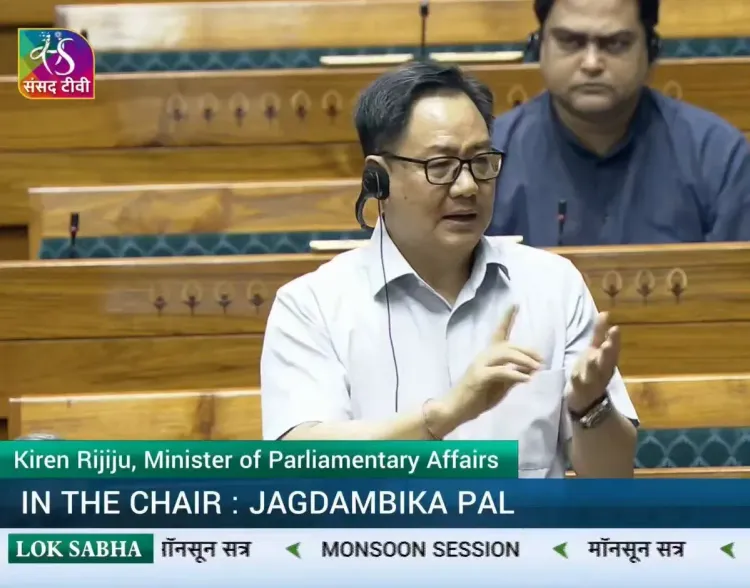
Kiren Rijiju , Union Minister of Parliamentary Affairs, on 24 July 2026 assured that the government is making full efforts for a proper parliamentary discussion on paper leaks.
The minister committed to 'the strongest possible steps in the interest of the students,' indicating potential legislative or administrative follow-up.
The Public Examinations (Prevention of Unfair Means) Act, 2024 already criminalises paper leaks in central examinations, but public trust remains strained.
Widespread protests in 2024 over alleged NEET-UG irregularities had intensified opposition demands for parliamentary accountability on exam integrity.
The timing and format of any dedicated floor discussion or new regulatory measure will be the key test of the government's stated commitment.
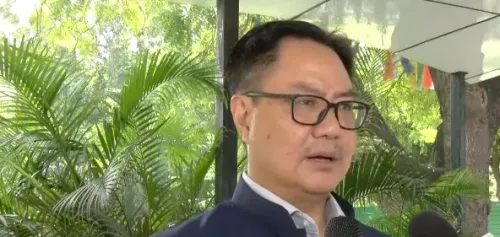
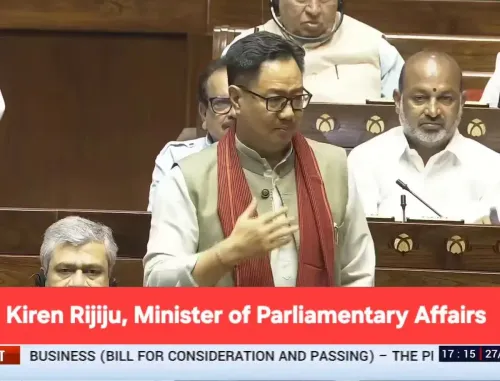
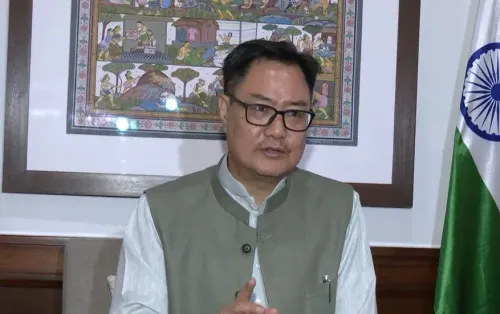
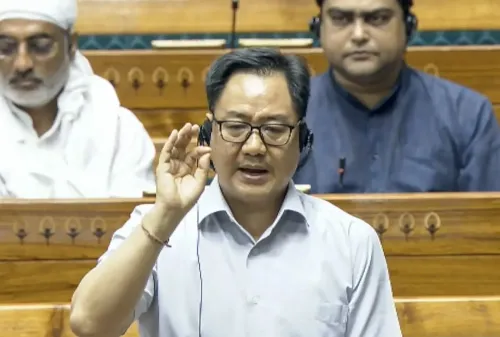
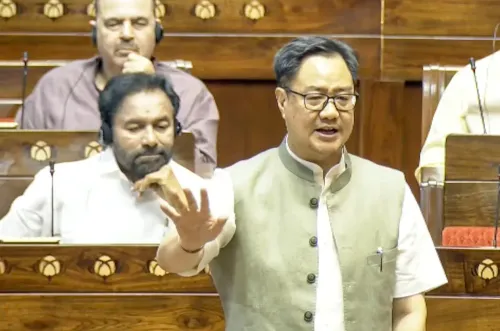
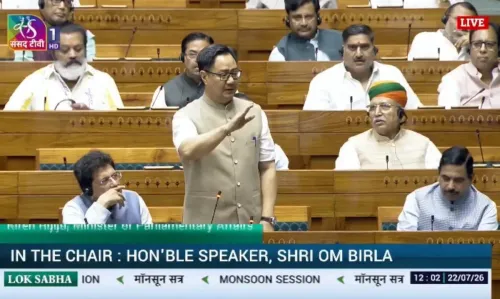
Union Parliamentary Affairs Minister Kiren Rijiju said on Friday, 24 July 2026 that the government is making full efforts to ensure a proper discussion on the paper leaks issue in Parliament and to take the strongest possible steps in the interest of students.
Context
Rijiju's statement comes as pressure mounts from opposition parties and student groups for structured parliamentary accountability on the integrity of national competitive examinations. The minister, who coordinates government business in both Houses of Parliament, signalled that the ruling dispensation is prepared to allow — and facilitate — debate on the sensitive issue rather than deflect it.
In his post, Rijiju stated: 'Govt is making full efforts for proper discussion on paper leaks issue in Parliament and take strongest possible steps in the interest of the students.' The phrasing underscores both a procedural commitment — a floor discussion — and a substantive one: legislative or administrative action that protects aspirants.
Policy Backdrop
The paper leaks controversy is not new to Indian public life. The Public Examinations (Prevention of Unfair Means) Act, 2024 was enacted precisely to criminalise malpractices, including leaks, in central recruitment and entrance examinations. The law marked a significant escalation in the statutory framework governing exam integrity.
Yet legislation alone has not fully restored public confidence. Widespread protests in 2024 over alleged irregularities in the NEET-UG examination demonstrated the depth of student grievance and the political salience of the issue. Opposition parties have consistently demanded independent probes and dedicated parliamentary time to examine systemic failures in the examination ecosystem.
Stakeholders and Impact
The primary stakeholders are crores of competitive exam aspirants — students preparing for engineering, medical, civil services, and central government recruitment tests — whose futures hinge on the fairness of these examinations. A single leak can invalidate years of preparation and deepen distrust in public institutions.
Opposition parties stand to gain political ground if the government is seen as stonewalling debate, making Rijiju's assurance strategically significant: it pre-empts accusations of evasion while framing the ruling party as student-centric. Student organisations and civil society groups will watch closely to see whether the promised discussion translates into concrete floor time and meaningful legislative follow-through.
What's Next
The critical question now is the timing and format of the parliamentary discussion Rijiju has signalled. Whether the government schedules a dedicated debate, allows a calling-attention motion, or introduces supplementary legislation will determine whether this assurance is seen as substantive or rhetorical.
Any follow-up regulatory measures — such as amendments to the 2024 Act or the creation of an independent examination oversight body — would represent a significant policy step. Observers will track the next session's legislative agenda and the government's response to opposition notices on the issue as the clearest indicators of intent.
Point of View
He signals the government is willing to accept scrutiny, which is itself a departure from the defensive posture seen during the peak of the NEET controversy in 2024. The statement also keeps the policy response deliberately open-ended: 'strongest possible steps' could mean anything from executive action to fresh legislation, giving the government room to manoeuvre. Ultimately, the credibility of this assurance will be judged by whether dedicated floor time actually materialises in the current or next session.
NationPress
22 Oct 2026
Frequently Asked Questions
What did Kiren Rijiju say about paper leaks in Parliament?
On 24 July 2026, Rijiju said the government is making full efforts to ensure a proper discussion on the paper leaks issue in Parliament and to take the strongest possible steps in the interest of students.
What is the Public Examinations (Prevention of Unfair Means) Act 2024?
The Public Examinations (Prevention of Unfair Means) Act, 2024 is a central law that criminalises malpractices including paper leaks in government recruitment and entrance examinations in India.
Why is there a demand for parliamentary debate on paper leaks?
Repeated allegations of leaks in national examinations like NEET-UG triggered large-scale student protests in 2024, prompting opposition parties to demand independent probes and dedicated parliamentary time to address systemic failures in the exam system.
Who is Kiren Rijiju?
Kiren Rijiju is the Union Minister of Parliamentary Affairs and Minister of Minority Affairs, a senior BJP leader from Arunachal Pradesh who is responsible for coordinating government business in both Houses of Parliament.
What happens next after Rijiju's paper leaks assurance?
The key development to watch is whether the government schedules a formal parliamentary discussion — through a dedicated debate, calling-attention motion, or new legislation — in the current or upcoming session of Parliament.