Anti-paper leak bill 2026: Rijiju urges Opposition to debate, not disrupt
Synopsis
The Centre's anti-paper leak bill landed in the Lok Sabha on 27 July amid Opposition sloganeering — and Parliamentary Affairs Minister Kiren Rijiju went straight on the offensive, accusing Congress of shielding students from the very legislation meant to protect them. With a Modi-appointed task force already in motion, the government is pushing for unanimous passage; the Opposition is pushing back on a different front entirely.
Key Takeaways
The Public Examinations (Prevention of Unfair Means) Amendment Bill, 2026 was introduced in the Lok Sabha on 27 July 2026 amid Opposition sloganeering.
Union Parliamentary Affairs Minister Kiren Rijiju accused Congress and other Opposition parties of deliberately avoiding debate on the bill.
Prime Minister Narendra Modi has already constituted a high-powered task force to recommend comprehensive examination system reforms.
The Opposition demanded accountability from Home Minister Amit Shah over police action against student protesters — a demand Rijiju dismissed as a distraction.
Rijiju called for unanimous passage of the bill, saying failure to debate it sends a 'wrong message to students of the country.'
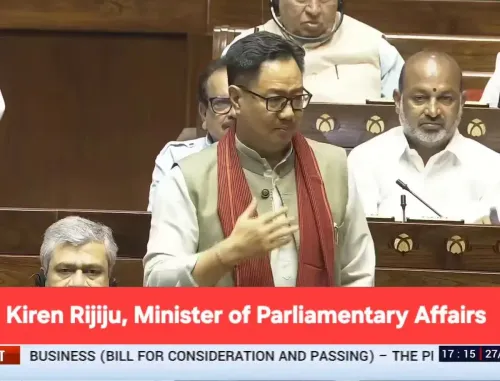
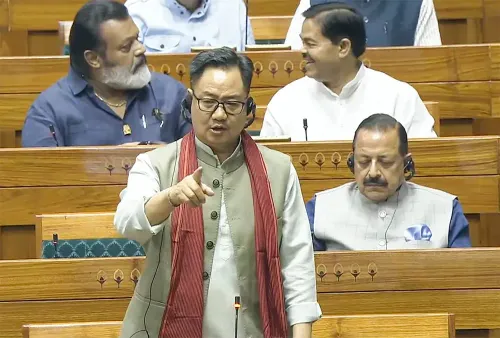
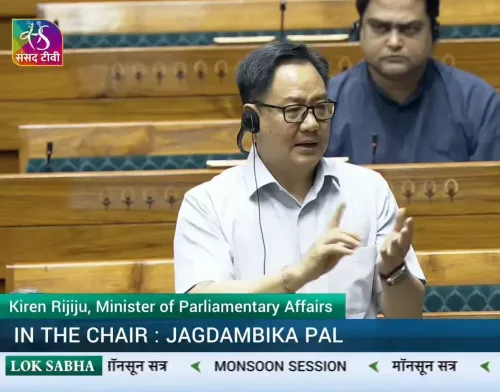
Union Parliamentary Affairs Minister Kiren Rijiju on Monday, 27 July appealed to Opposition parties to allow orderly proceedings in the Lok Sabha and engage in substantive debate on the Public Examinations (Prevention of Unfair Means) Amendment Bill, 2026, warning that disruption sends the wrong signal to students nationwide. The bill was introduced in the House the same day amid loud sloganeering from Opposition benches.
What the Bill Proposes
The Public Examinations (Prevention of Unfair Means) Amendment Bill, 2026 is designed to curb paper leaks and examination-related malpractice in public competitive exams. The Centre framed it as a legislative complement to a high-powered task force already constituted by Prime Minister Narendra Modi to recommend comprehensive reforms in the examination system and ensure strict action against those involved in such offences.
Rijiju described the legislation as 'historic and revolutionary,' arguing it would effectively prevent future incidents of the kind that have drawn widespread student protests in recent months.
Rijiju's Charge Against the Opposition
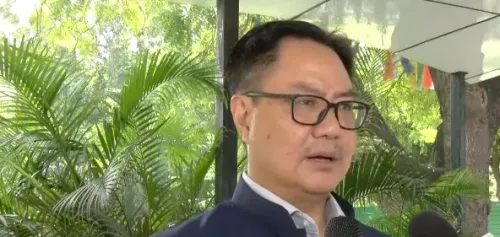
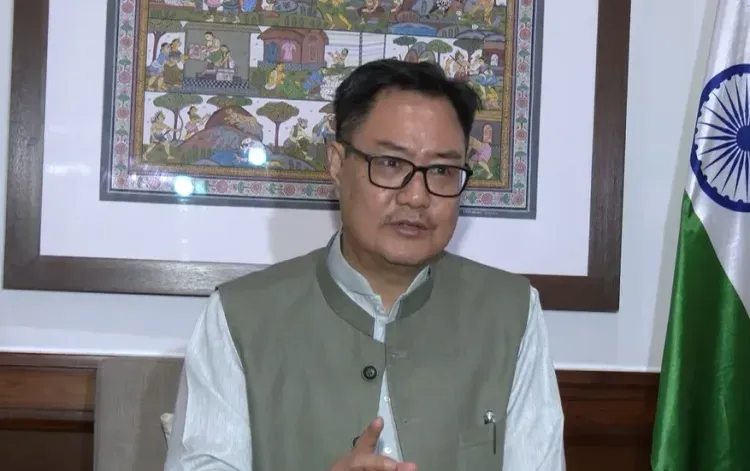
Speaking to reporters after the House was adjourned, Rijiju accused the Indian National Congress (Congress) and several other Opposition parties of deliberately avoiding debate on a bill that directly concerns millions of students. 'Today, a very important bill was introduced in the Lok Sabha, addressing the concerns of students across the country and the paper leak incident. However, the Congress Party and some Opposition parties are avoiding discussion on it. They are disrupting the proceedings of the House through sloganeering, placards, and other means,' he said.
The minister argued that Parliament is the most appropriate platform for resolving issues of national importance and expressed disappointment that the same issue could not be meaningfully discussed even when student protests were at their peak. 'This is neither appropriate for Parliament nor for democracy. Parliament is the highest forum for debate and discussion. If such important issues won't be discussed here, where will they be?' he said.
The Opposition's Counter-Demand
Opposition parties, while disrupting proceedings, also raised a separate demand — that Union Home Minister Amit Shah be held accountable for police action taken against student protesters. Rijiju deflected the demand, insisting the focus must remain on examination reforms and student welfare. 'Don't deviate from the topic. The highest priority at this time is the welfare of the country's students,' he said.
Call for Unanimous Passage
Rijiju renewed his appeal for cross-party consensus, urging all political parties to set aside differences and pass the bill unanimously. 'All parties should express their views and unanimously pass this Bill,' he said, adding that a failure to do so would send a 'wrong message to the students of the country.' He called on Congress in particular to 'understand the sentiments of the students.'
What Happens Next
The bill's passage depends on the Opposition agreeing to participate in structured debate. With the task force's recommendations expected to feed into the legislative framework, the government appears keen to fast-track the bill through the current session. Whether Opposition parties will relent and engage on the floor — or continue to press their separate accountability demands — will determine the bill's immediate trajectory.
Point of View
That Home Minister Amit Shah answer for police action on student protesters, is not a deflection from the paper leak issue; it is the other half of the same story. A government that introduces legislation to protect students while simultaneously facing questions about force used against those same students cannot credibly ask Parliament to look only one way. The bill may well be necessary, but the optics of rushed introduction amid disruption risk undermining the consensus Rijiju says he wants.
NationPress
25 Oct 2026
Frequently Asked Questions
What is the Public Examinations (Prevention of Unfair Means) Amendment Bill, 2026?
It is a legislation introduced in the Lok Sabha on 27 July 2026 aimed at preventing paper leaks and malpractice in public competitive examinations. The bill complements a high-powered task force constituted by Prime Minister Narendra Modi to recommend comprehensive examination system reforms.
Why did the Opposition disrupt the Lok Sabha on 27 July?
Opposition parties, including Congress, resorted to sloganeering and placards during the bill's introduction, reportedly to press a separate demand that Home Minister Amit Shah be held accountable for police action against student protesters. Minister Rijiju accused them of avoiding substantive debate on the legislation.
What did Kiren Rijiju say about the bill?
Rijiju called the bill 'historic and revolutionary' and urged all parties to debate and pass it unanimously. He warned that blocking discussion would send the wrong message to students and argued that Parliament is the only appropriate forum for resolving such issues of national importance.
Who is affected by the anti-paper leak bill?
The bill primarily affects students appearing in public competitive examinations across India, as well as examination bodies and those accused of facilitating paper leaks or unfair means. If passed, it would introduce stricter legal provisions against examination-related offences.
What is the government's next step on the bill?
The government is pushing for the bill to be debated and passed in the current parliamentary session. Its progress depends on Opposition parties agreeing to participate in structured floor debate, which had not happened as of 27 July due to continued disruptions.