Lok Sabha adjourns till 5 pm as Opposition disrupts Exam Bill debate
Synopsis
For the third time in a single day, the Lok Sabha was forced to adjourn as Opposition sloganeering blocked any debate on the anti-paper leak Exam Bill — even after Speaker Om Birla offered to extend discussion by six hours. With students watching and amendment notices already filed, the disruption raised pointed questions about whether the Opposition's strategy served the very constituency it claims to champion.
Key Takeaways
The Lok Sabha was adjourned until 5 pm on 27 July — the third disruption of the day.
The trigger was Opposition protests over the Public Examinations (Prevention of Unfair Means) Amendment Bill, 2026 , introduced amid loud dissent.
Speaker Om Birla offered to extend the debate by six hours and set a 5 pm consensus deadline for inter-party talks.
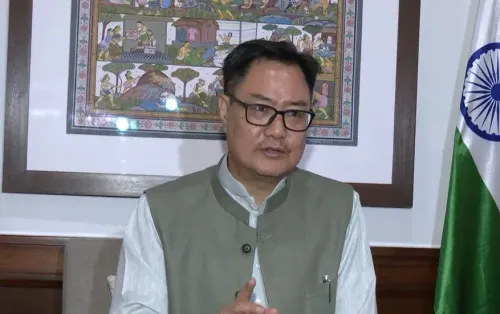
Parliamentary Affairs Minister Kiren Rijiju noted that multiple Opposition members had already filed amendment notices, questioning why they were blocking the very discussion they sought.
The Bill is the Centre's follow-up to the 2024 anti-paper leak Act , aimed at curbing examination fraud amid nationwide student protests.
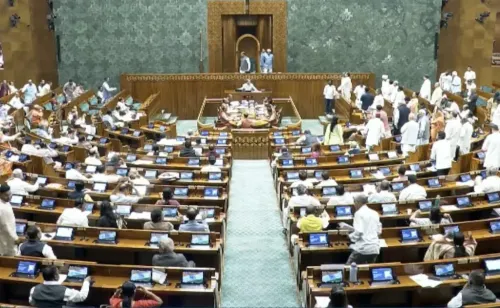
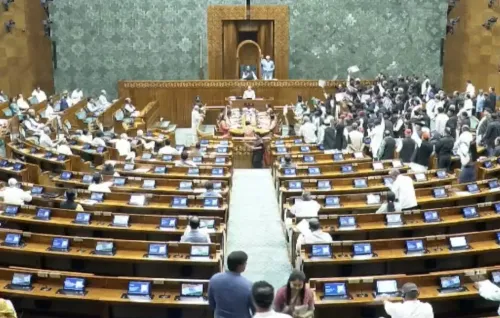
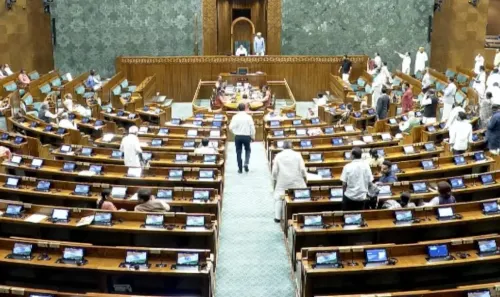
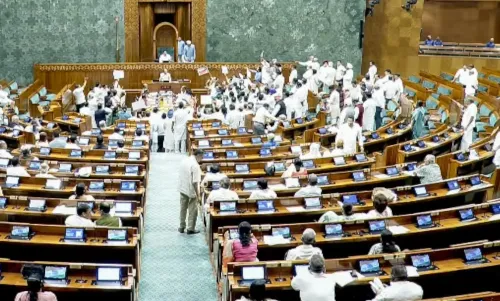
The Lok Sabha was adjourned until 5 pm on Monday, 27 July, after sustained sloganeering and placard-waving by Opposition members repeatedly stalled proceedings. The disruptions came even as the government pressed for a substantive debate on the Public Examinations (Prevention of Unfair Means) Amendment Bill, 2026, the anti-paper leak legislation introduced in the House earlier in the day.
Three Disruptions in a Single Day
Monday's adjournment was the third interruption of the session, with Opposition benches erupting in protest each time the House attempted to take up the Bill. The legislation, which targets malpractice in competitive examinations, was formally introduced amid loud dissent that prevented any structured discussion from getting underway.
What Speaker Om Birla Said
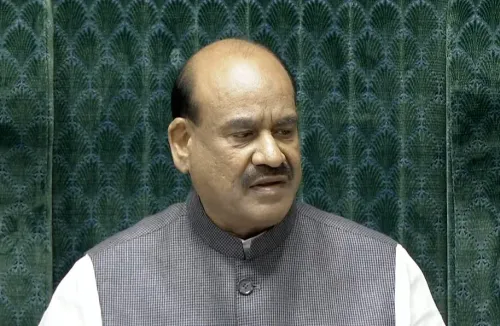
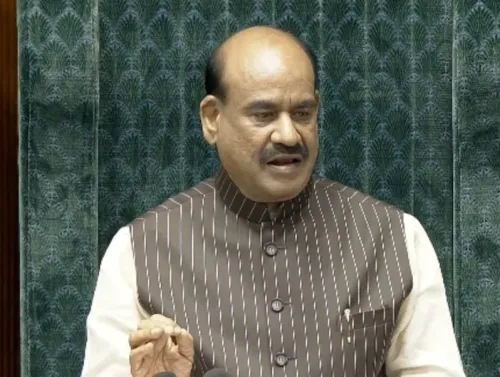
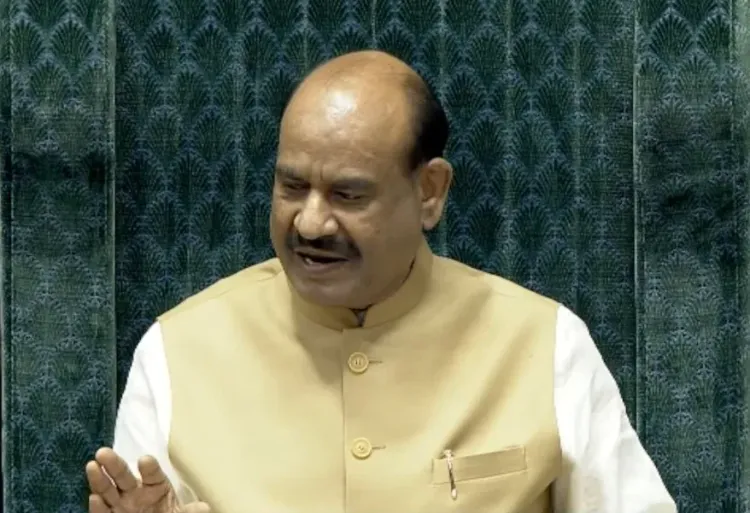
Speaker Om Birla repeatedly appealed to Opposition members to return to their seats and engage with the legislation on the floor rather than through slogans and placards. He assured all members that ample time would be set aside for a thorough debate and indicated the discussion could be extended by six hours beyond the regular schedule if needed.
'Sloganeering and placarding won't lead to a discussion on this issue. I urge you to extend the time beyond six hours, or even more, on the floor of the House, to express your views and opinions, so that everyone can hear your opinions, and the students of the country who are attending this issue are assured of effective action,' Birla said.
He added: 'You should express your views on this issue, not raise slogans; you have been elected to discuss the issue in the House.'
Before adjourning, Birla urged leaders of all parties to hold inter-party consultations and build consensus, setting a deadline of 5 pm for the House to reconvene and take up the Bill.
Government's Appeal to the Opposition
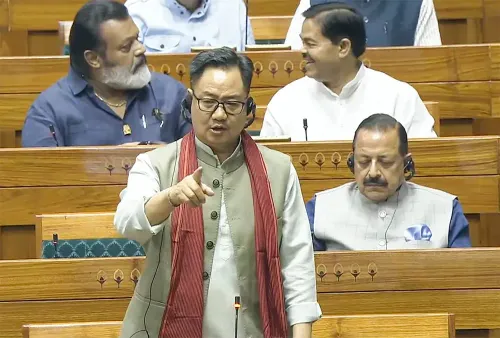
Parliamentary Affairs Minister Kiren Rijiju thanked the Speaker for the time allocation but questioned why the Opposition was blocking debate despite multiple members having already submitted amendment notices on the Bill — a sign, he argued, that many lawmakers wanted to participate.
'You have been given sufficient time, and so many amendment notices have been received. This means that many members want to express their views on this important Bill. Notices for introductions have been received, and amendment notices have also been received. So, on one hand, there are so many amendment notices. You also expressed your willingness to give sufficient time. So, why are they raising these slogans to stop the discussion? I don't understand this,' Rijiju said.
Rijiju further warned that students across the country were watching Parliament's handling of the issue closely, and that continued delays risked sending a 'very wrong message' about the legislature's commitment to addressing examination fraud. He specifically called on the Indian National Congress (INC) to urge its allies to stand down and allow the debate to proceed.
Context: Why the Bill Matters
The Public Examinations (Prevention of Unfair Means) Amendment Bill, 2026 is the Centre's legislative response to a wave of paper leak controversies that have roiled competitive examinations in recent years, triggering nationwide protests by students. The original Act was passed in 2024; this amendment seeks to tighten its provisions. Notably, the Opposition's own members had filed amendment notices, suggesting substantive objections that could have been aired in debate — making the decision to disrupt rather than engage a contested political choice.
What Happens Next
With the Speaker setting a 5 pm consensus deadline, all eyes were on inter-party talks to determine whether the Bill would see floor time before the end of the day's session. If discussions remain deadlocked, the legislation could be pushed to a subsequent sitting, prolonging uncertainty for students and exam bodies awaiting the amended framework.
Point of View
Signalling they have substantive objections worth airing. Blocking the discussion hands the government a clean narrative — that it is the party of students while the Opposition plays procedural games. Speaker Birla's offer of a six-hour extension is unusually generous and removes any credible procedural grievance. If the deadlock holds past 5 pm, the real losers are the students whose examination anxieties this Bill is meant to address — and that optics problem belongs squarely to the parties that chose slogans over scrutiny.
NationPress
25 Oct 2026
Frequently Asked Questions
Why was the Lok Sabha adjourned on 27 July 2025?
The Lok Sabha was adjourned until 5 pm on 27 July after Opposition members disrupted proceedings with sloganeering and placards, preventing debate on the Public Examinations (Prevention of Unfair Means) Amendment Bill, 2026. It was the third adjournment of the day.
What is the Public Examinations (Prevention of Unfair Means) Amendment Bill, 2026?
It is a legislative amendment to the 2024 anti-paper leak Act, introduced by the Centre to strengthen provisions against malpractice in competitive examinations. The Bill follows widespread student protests over paper leak scandals in recent years.
What did Speaker Om Birla offer to resolve the deadlock?
Speaker Om Birla offered to extend the debate on the Bill by six hours beyond the regular schedule and urged all party leaders to hold inter-party consultations and reach a consensus by 5 pm so the discussion could begin.
Why did Parliamentary Affairs Minister Kiren Rijiju question the Opposition's stance?
Rijiju pointed out that multiple Opposition members had already submitted amendment notices on the Bill, indicating they wanted to participate in debate. He argued that disrupting proceedings while simultaneously filing amendments was contradictory, and warned that the delay sent a wrong message to students watching Parliament.
What happens if no consensus is reached by 5 pm?
If inter-party talks fail to produce an agreement by the 5 pm deadline set by Speaker Birla, the Exam Bill is likely to be deferred to a subsequent sitting of the Lok Sabha, prolonging uncertainty for students and examination bodies awaiting the amended legal framework.