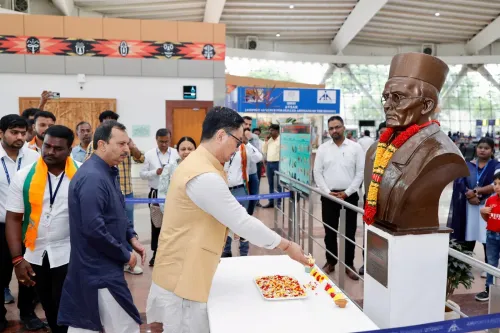
Rijiju Reviews Sea Port Terminal Construction at Swaraj Dweep
Synopsis
Union Minister Kiren Rijiju reviewed the ongoing construction of the Sea Port Terminal at Swaraj Dweep in South Andaman on 20 June 2026, spotlighting the Modi government's sustained push to upgrade port and connectivity infrastructure across the Andaman and Nicobar Islands under the Sagarmala and island development frameworks.
Key Takeaways
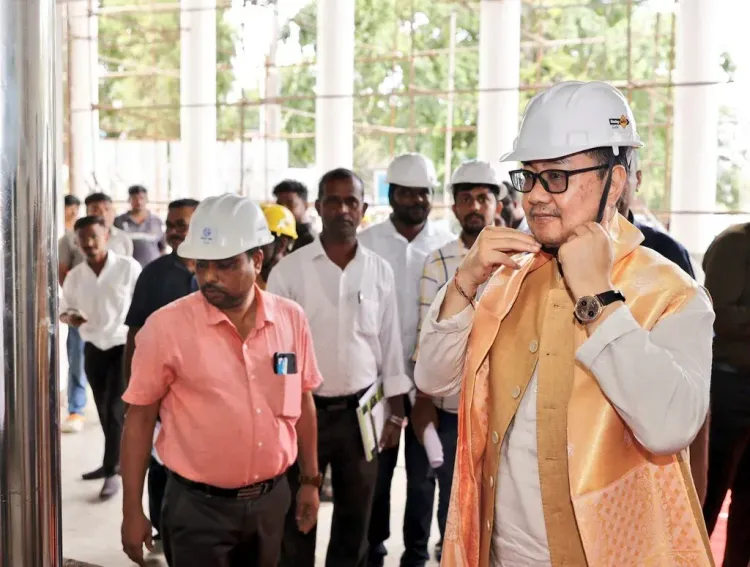
Kiren Rijiju conducted a site review of the Sea Port Terminal under construction at Swaraj Dweep, South Andaman District on 20 June 2026 .
Swaraj Dweep , formerly Havelock Island, was renamed in 2018 and is one of the Andaman archipelago's top tourism destinations.
The project aligns with the Sagarmala Project (launched 2015 ) and the Comprehensive Island Development Programme approved in 2019–20 .
A modern sea port terminal is expected to benefit island residents, the tourism sector and maritime trade operators.
The visit was part of the ruling party's #12YearsOfSeva campaign marking twelve years of the Modi government .
Completion timeline and commissioning date of the terminal remain officially unannounced.
Union Parliamentary Affairs Minister Kiren Rijiju on Saturday, 20 June 2026 reviewed the ongoing construction of the Sea Port Terminal at Swaraj Dweep in South Andaman District, underscoring the central government's continued push to upgrade maritime infrastructure across the Andaman and Nicobar Islands.
Context
Swaraj Dweep — formerly known as Havelock Island and renamed in 2018 as part of a broader decolonisation of place names — is one of the most visited tourist destinations in the Andaman and Nicobar Islands. The island draws thousands of visitors annually for its beaches and coral reefs, yet its connectivity to Port Blair and the mainland has long depended on ageing ferry infrastructure. A dedicated sea port terminal is seen as critical to handling growing passenger and freight volumes sustainably.
Rijiju shared photographs from his site visit, stating that infrastructure development and connectivity have 'emerged as key drivers of progress, transforming lives and unlocking new opportunities across the Andaman and Nicobar Islands' under Prime Minister Narendra Modi. The visit was tagged under the ruling party's #12YearsOfSeva campaign, marking twelve years of the Modi government.
Policy Backdrop
The sea port terminal project sits within a layered policy framework that the central government has built for island connectivity since 2014. The Sagarmala Project, launched in 2015, identified port-led development as a national priority and extended its ambit to coastal union territories including the Andaman and Nicobar Islands. A Comprehensive Island Development Programme approved in 2019–20 further earmarked investments for ports, airports and roads across the archipelago.
In 2018, the Ministry of Tourism and the Andaman and Nicobar administration unveiled integrated development plans specifically for Swaraj Dweep, focusing on tourism-linked infrastructure. The sea port terminal under construction is consistent with that roadmap, aiming to ease inter-island movement and reduce dependence on weather-vulnerable small-craft services.
Stakeholders and Impact
Island residents stand to benefit most directly from a modern port terminal, which would improve access to essential goods, medical services and employment opportunities. The tourism sector — a primary economic driver for Swaraj Dweep — is expected to see higher visitor throughput once the terminal is operational, as better berthing facilities can accommodate larger vessels and reduce travel time uncertainty.
Maritime trade and logistics operators also have a stake in the project, as improved port infrastructure lowers costs for transporting supplies to the island. From a strategic standpoint, enhanced port capacity in the Bay of Bengal archipelago aligns with India's broader maritime security interests in the region.
What's Next
The completion timeline and commissioning date of the Swaraj Dweep Sea Port Terminal have not been officially announced. Rijiju's site review suggests active ministerial monitoring of the project's progress, which could accelerate administrative decisions on resource allocation and contractor timelines. Parliamentary questions and budgetary allocations for Andaman and Nicobar port projects in the upcoming session will be a key indicator of how quickly the government intends to push the terminal to operationalisation.
If commissioned on schedule, the terminal would mark a significant milestone in the central government's decade-long effort to transform the Andaman and Nicobar Islands from an under-connected frontier into a self-sustaining economic and strategic hub in the Indian Ocean.
Point of View
It frames island infrastructure as a visible dividend of a decade of BJP governance. The Andaman and Nicobar Islands, long treated as a connectivity afterthought, have become a showcase for the government's port-led development narrative under the Sagarmala framework. Ministerial visits to active construction sites typically precede either commissioning announcements or fresh budgetary pushes, suggesting this review may foreshadow a formal project milestone. The broader pattern points to the government using strategic island infrastructure to simultaneously address development deficits and reinforce India's maritime posture in the Bay of Bengal.
NationPress
19 Sept 2026
Frequently Asked Questions
What is the Sea Port Terminal at Swaraj Dweep?
The Sea Port Terminal at Swaraj Dweep is an infrastructure project under construction in South Andaman District aimed at improving maritime connectivity, passenger movement and freight handling for one of the Andaman Islands' most popular tourist destinations.
Where is Swaraj Dweep located?
Swaraj Dweep, formerly known as Havelock Island, is located in the South Andaman District of the Andaman and Nicobar Islands Union Territory in the Bay of Bengal. It was renamed in 2018 as part of India's decolonisation of place names.
Why did Kiren Rijiju visit Swaraj Dweep?
Union Parliamentary Affairs Minister Kiren Rijiju visited Swaraj Dweep on 20 June 2026 to review the ongoing construction of the Sea Port Terminal, emphasising the Modi government's focus on infrastructure development and connectivity in the Andaman and Nicobar Islands.
What is the Sagarmala Project and how does it relate to Andaman islands?
The Sagarmala Project is a port-led development programme launched by the central government in 2015 to modernise ports and improve last-mile connectivity across India's coastline and island territories, including the Andaman and Nicobar Islands.
When will the Swaraj Dweep Sea Port Terminal be completed?
An official completion timeline and commissioning date for the Swaraj Dweep Sea Port Terminal have not been announced. Ministerial monitoring of the project suggests active efforts to advance its progress.