Rijiju Shares PM Modi's Address to Indonesia Parliament
Synopsis
Prime Minister Narendra Modi addressed the Parliament of Indonesia on 7 July 2026, with Union Minister Kiren Rijiju sharing the live broadcast. The rare diplomatic gesture underscores deepening India-Indonesia ties under India's Act East and Indo-Pacific strategies, with defence, trade, and connectivity in focus.
Key Takeaways
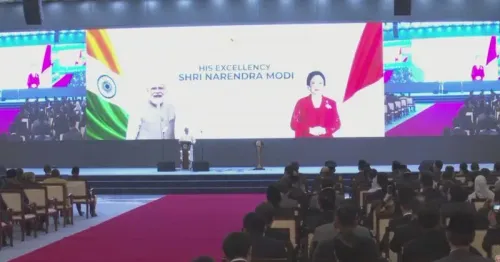
Union Parliamentary Affairs Minister Kiren Rijiju shared a live broadcast of PM Narendra Modi 's address to the Parliament of Indonesia on 7 July 2026 .
Addressing a foreign legislature is a rare diplomatic honour, signalling the high strategic value India places on its relationship with Indonesia .
The visit is rooted in India's Act East Policy , which has driven intensified engagement with ASEAN nations since 2014 .
India and Indonesia share ties spanning maritime security, defence cooperation, trade connectivity, and multilateral diplomacy at forums including the G20 .
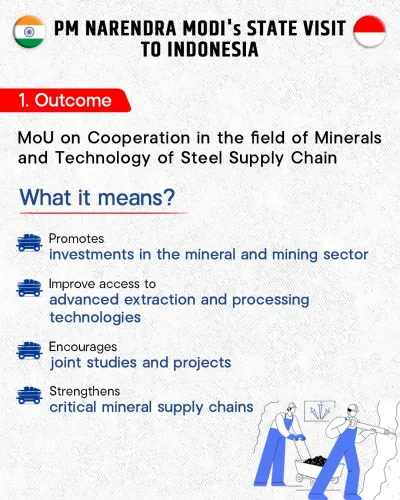
Follow-up MoUs on defence, digital infrastructure, and trade are expected to emerge from the visit.
The engagement continues a broader pattern of reciprocal parliamentary and executive-level visits between India and key Indo-Pacific partners.
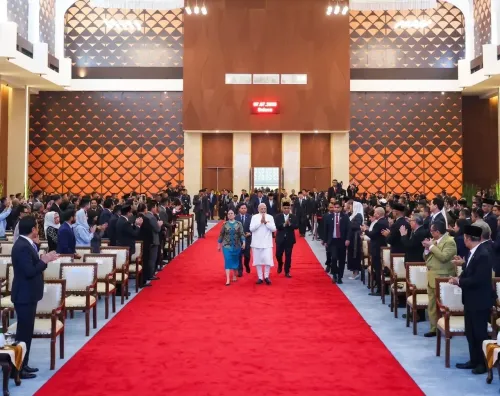
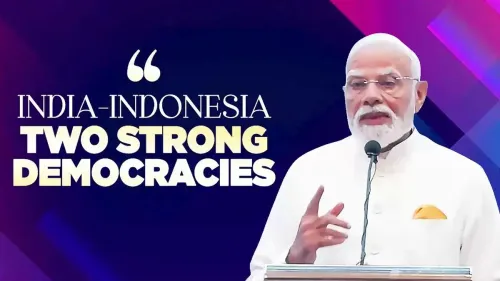
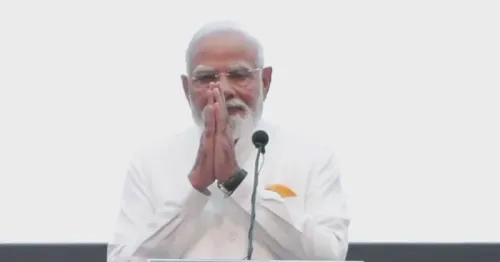
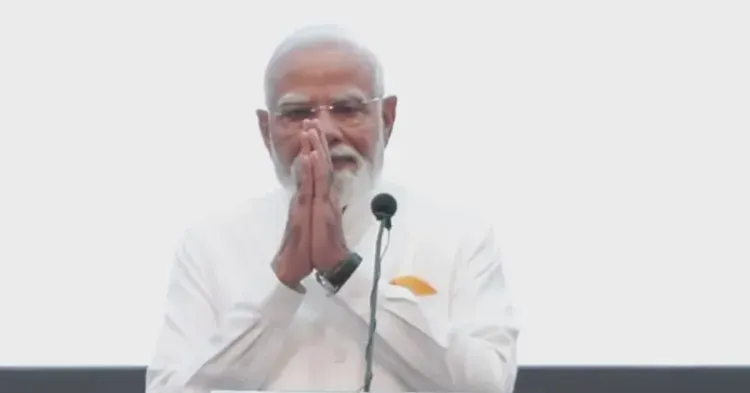
Union Parliamentary Affairs Minister Kiren Rijiju on Tuesday, 7 July 2026, shared a live broadcast of Prime Minister Narendra Modi's address to the Parliament of Indonesia, signalling a landmark moment in India-Indonesia bilateral engagement under New Delhi's Act East Policy.
Context
Rijiju's post, tagged #WatchLive, directed followers to a live stream of Prime Minister Modi's address to Indonesia's national legislature. Addressing a foreign parliament is a rare diplomatic gesture, typically reserved for visits of the highest strategic significance. The move underscores the growing depth of the India-Indonesia relationship within the broader Indo-Pacific framework.
India and Indonesia share longstanding ties rooted in civilisational links, maritime geography, and converging interests in a free and open Indo-Pacific. The two nations are among the largest democracies in Asia, and their bilateral relationship has grown steadily across defence, trade, and connectivity.
Policy Backdrop
Prime Minister Modi's engagement with Indonesia fits squarely within India's Act East Policy, which has prioritised deeper ties with ASEAN member states since 2014. A previous high-profile visit in 2018 focused on maritime security and trade connectivity, laying groundwork for the expanded partnership on display today.
Addressing the Indonesian parliament takes this engagement a step further. Such addresses by visiting heads of government are symbolic of mutual trust and are often accompanied by concrete deliverables — including memoranda of understanding on defence cooperation, digital connectivity, and infrastructure. India has pursued a pattern of reciprocal parliamentary and executive-level engagements with key Indo-Pacific partners, and today's address continues that arc.
Indonesia is a critical node in India's Indo-Pacific calculus. As the world's largest archipelagic state and a major ASEAN economy, Indonesia's strategic alignment carries weight for regional stability, sea-lane security, and multilateral diplomacy at forums such as the G20 and the East Asia Summit.
Stakeholders and Impact
The address is of immediate significance to the diplomatic communities of both nations, as well as to ASEAN partners watching India's regional outreach. Business and trade bodies in both countries will look closely for announcements on investment corridors, digital infrastructure, and defence procurement that typically accompany such high-level visits.
For India's parliamentary affairs establishment — the domain Rijiju oversees — the minister's amplification of the live address signals institutional pride in parliamentary diplomacy. His role in sharing the broadcast reflects the government's intent to bring domestic audiences closer to India's foreign-policy milestones in real time.
What's Next
Observers will watch for follow-up announcements of new MoUs or joint statements on defence, trade, and connectivity emerging from the visit. Parliamentary and ministerial exchanges between New Delhi and Jakarta are expected to intensify in the months ahead, building on the momentum generated by Prime Minister Modi's address. The visit is likely to set the agenda for India-Indonesia cooperation well into the coming years.
Point of View
It reinforces the Act East Policy's evolution from trade-focused outreach to a full-spectrum strategic partnership with ASEAN's largest economy. Rijiju's decision to amplify the broadcast in real time reflects the government's broader effort to make foreign-policy wins visible to domestic audiences. Taken together, the visit and its messaging suggest New Delhi views Jakarta as a cornerstone partner in its Indo-Pacific architecture.
NationPress
7 Jul 2026
Frequently Asked Questions
Why did PM Modi address the Parliament of Indonesia?
PM Modi addressed the Parliament of Indonesia on 7 July 2026 as part of a high-level bilateral visit, a rare diplomatic gesture that signals the depth of India-Indonesia strategic ties under India's Act East and Indo-Pacific policies.
What is India's Act East Policy and how does Indonesia fit in?
India's Act East Policy, pursued since 2014, prioritises deep engagement with ASEAN nations and East Asian partners. Indonesia, as ASEAN's largest economy and a major Indo-Pacific state, is a central pillar of this strategy, with cooperation spanning defence, trade, and maritime security.
Who is Kiren Rijiju and why did he share the broadcast?
Kiren Rijiju is India's Union Minister of Parliamentary Affairs and Minority Affairs, and a senior BJP leader from Arunachal Pradesh. He shared the live broadcast of PM Modi's address to highlight a significant moment in India's parliamentary diplomacy.
What outcomes are expected from PM Modi's Indonesia visit?
Analysts expect new MoUs on defence cooperation, digital connectivity, and trade infrastructure to emerge from the visit, along with commitments to intensify parliamentary and ministerial exchanges between New Delhi and Jakarta.
Has PM Modi visited Indonesia before?
Yes, PM Modi visited Indonesia in 2018 for bilateral talks and the Asian Games, with a focus on maritime security and trade connectivity, laying the groundwork for the deeper partnership on display in the 2026 visit.