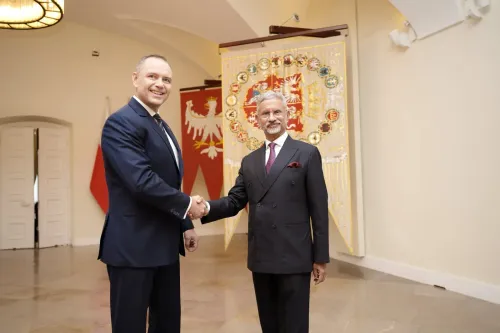
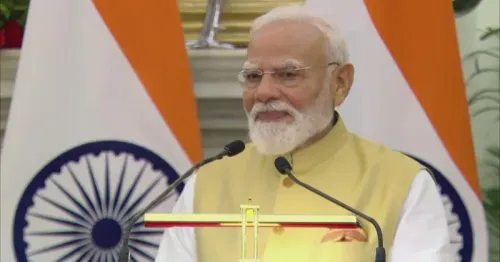
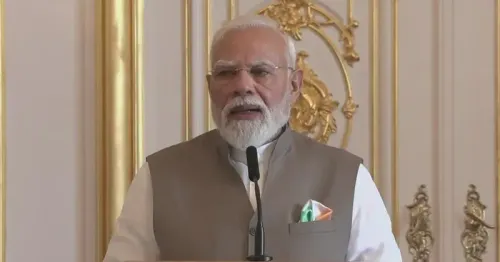
Rijiju Shares PM Modi's India–Poland Joint Press Meet
Synopsis
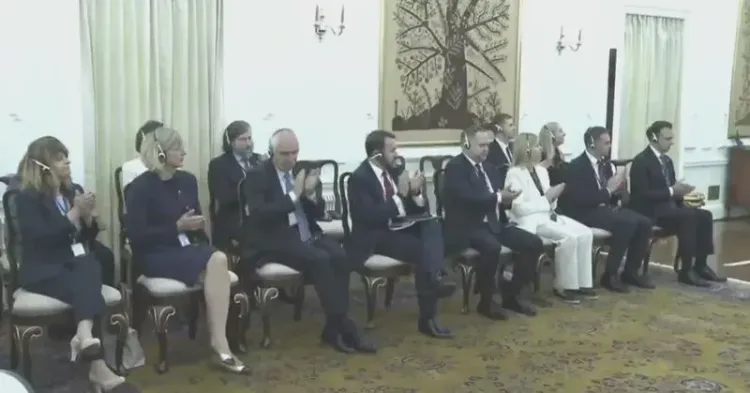
PM Modi addressed an India–Poland joint press meet in New Delhi on 22 October 2026. Union Minister Kiren Rijiju shared the live broadcast, spotlighting India's deepening engagement with Central and Eastern Europe inside the EU.
Key Takeaways
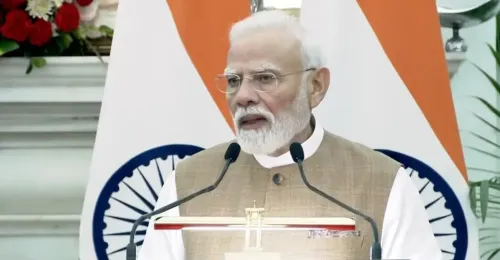
PM Narendra Modi delivered remarks at an India–Poland joint press meet in New Delhi on 22 October 2026 .
Union Parliamentary Affairs Minister Kiren Rijiju shared a live broadcast link on X, inviting public viewing.
India and Poland established diplomatic relations in 1950 ; prior high-level visits occurred in 1994 and 2017 .
Poland is a full European Union member state and a significant player in NATO and EU policy deliberations.
The summit fits India's strategy of expanding ties across Central and Eastern Europe , not just traditional Western European partners.
Joint bilateral declarations or follow-up agreements are expected in the wake of the press meet.
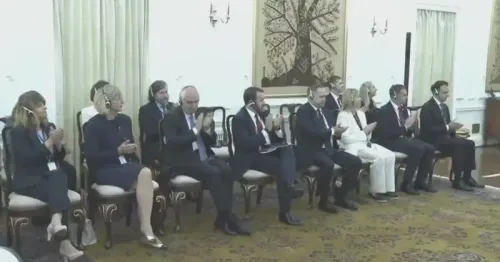
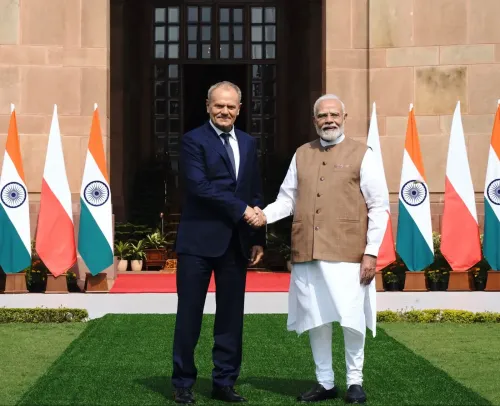
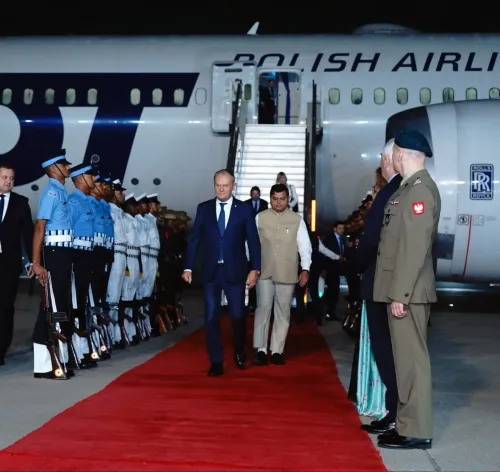
As Prime Minister Narendra Modi addressed a joint press meet alongside the visiting Polish leadership in New Delhi on Thursday, 22 October 2026, Union Parliamentary Affairs Minister Kiren Rijiju amplified the moment live — inviting citizens to watch a rare bilateral summit unfold in real time.
India and Poland at the same table
The joint press meet, held in New Delhi, followed closed-door talks between the two delegations — the standard architecture of a high-level state visit. Such sessions typically produce joint statements covering trade, defence cooperation, and shared positions on multilateral issues. India and Poland established diplomatic relations in 1950, though high-level summitry has been periodic, with Polish presidential visits to India on record in 1994 and 2017.
Poland sits at the heart of Central and Eastern Europe as a full European Union member state — and that geography matters. New Delhi has deliberately deepened ties with CEE capitals alongside its more established partnerships with Paris, Berlin, and Rome, viewing the region as an increasingly consequential bloc within EU decision-making.
Why CEE engagement fits India's European strategy
India's pivot toward Central and Eastern European partners reflects a broader diplomatic logic: diversify the conversation within Europe rather than concentrate it. Countries like Poland carry significant weight in NATO deliberations and EU trade policy — arenas where India's voice increasingly needs allies. Joint press events of this format signal that both sides have something concrete to say to their publics, not merely pleasantries to exchange behind closed doors.
Follow-up statements on bilateral agreements or a joint declaration are the natural next step after a press meet of this scale.
Point of View
Matter in Brussels, and are reshaping European security calculations. Joint press events with CEE leaders rarely make front pages, yet they quietly widen India's diplomatic bandwidth at a moment when European partners are reassessing global alliances. Rijiju's live amplification of the event signals the government's intent to project this engagement as mainstream foreign policy, not a footnote. Watch whether a joint declaration emerges — that would be the real measure of substance behind the summit.
NationPress
22 Oct 2026
Frequently Asked Questions
What was the India–Poland joint press meet about in October 2026?
PM Narendra Modi held a joint press meet with the visiting Polish leadership in New Delhi on 22 October 2026, following bilateral talks expected to cover trade, defence cooperation, and multilateral issues.
What are India–Poland diplomatic relations?
India and Poland established diplomatic relations in 1950. High-level bilateral visits have occurred periodically, including Polish presidential visits in 1994 and 2017, with the 2026 summit marking a fresh round of engagement.
Why is Poland important for India's foreign policy?
Poland is a major EU member state and NATO ally in Central and Eastern Europe. India has been expanding ties with CEE nations to diversify its European partnerships and gain allies in EU and multilateral decision-making.
Who is Kiren Rijiju and why did he share this post?
Kiren Rijiju is India's Union Parliamentary Affairs Minister and a senior BJP leader from Arunachal Pradesh. He shared a live broadcast link to PM Modi's press remarks as part of the government's public communication around the bilateral visit.
What comes next after the India–Poland joint press meet?
Bilateral summits of this nature typically conclude with a joint declaration or agreement announcements. Follow-up statements on any deals struck during the closed-door talks are expected shortly after the press meet.